10 Foods You Should Never Buy Pre-Cut
You might reach for pre-cut produce because it feels like one less thing to deal with at the end of a long day. The pieces look tidy in their containers, and it seems practical to skip the washing and chopping. However, that small convenience can affect the quality of your food, because as soon as fruits and vegetables are cut, they start to lose moisture and structure. Even the air around them, as well as handling, can affect them.
Melon
Credit: Canva
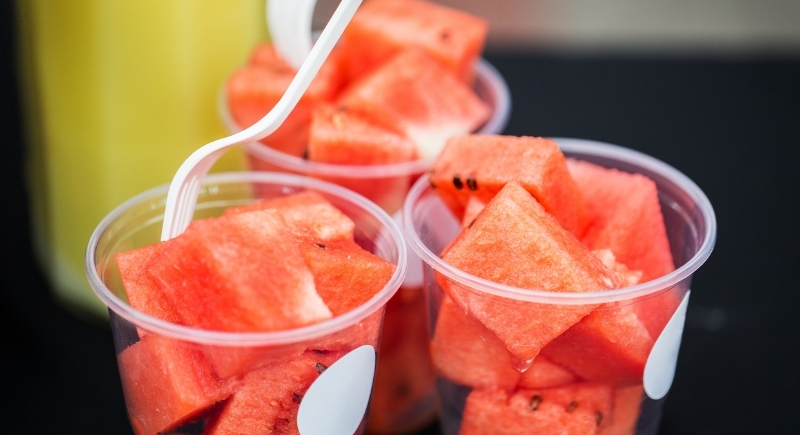
Bright cubes of melon in clear boxes seem great to take on your next picnic. But these slices carry real safety concerns. Bacteria on the rind can transfer to the flesh during cutting. Public health agencies treat cut melon as a higher risk for that reason.
Pineapple
Credit: Getty Images
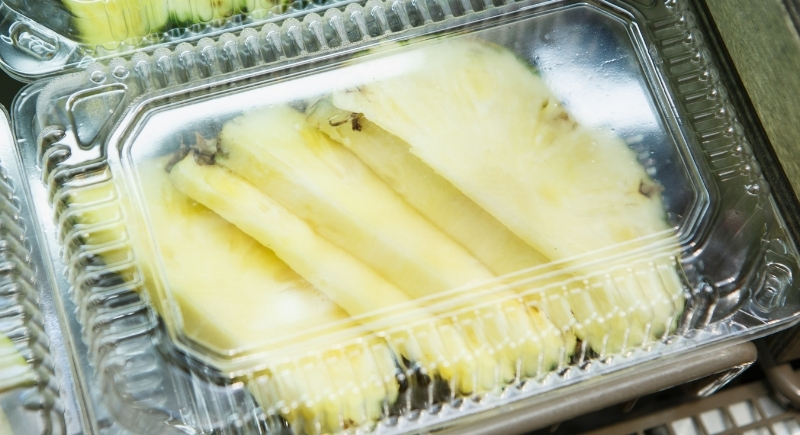
The spiky exterior makes pineapple seem intimidating, which explains the appeal of neat yellow chunks. Stores charge a noticeable premium per pound for that preparation. After cutting, juice leaks out, softening the flesh. Pieces can develop slight fermentation notes after a few days in the refrigerator.
Apples
Credit: pexels
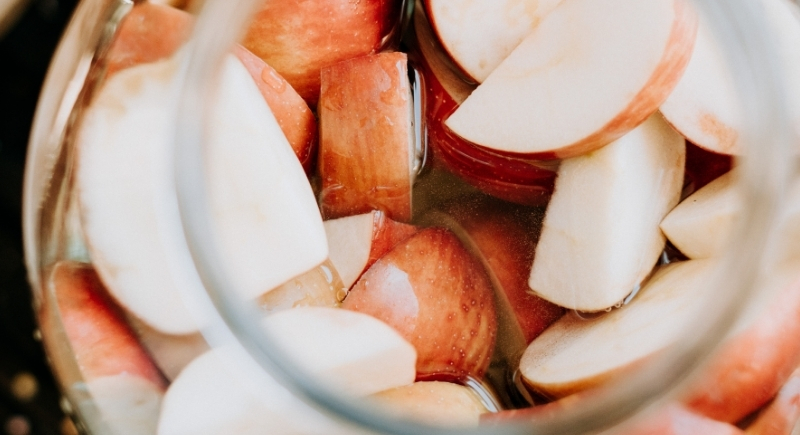
Cutting an apple yourself keeps the texture firm and the flavor clean. A recently cut slice has real snap, and the juice tastes brighter because it has not sat exposed to air. The process takes less than a minute and requires nothing extra. On the other hand, pre-sliced apples are often treated to slow browning.
Minced Garlic in a Jar
Credit: Getty Images
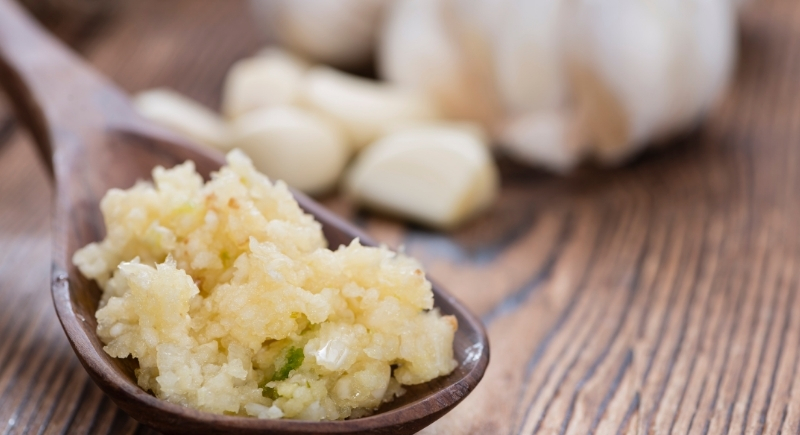
Crushing a fresh clove releases garlic’s sharp aroma almost instantly, which is why it smells so strong in a hot pan. Jarred minced garlic has already gone through pasteurization and acidification to keep it shelf-stable. Those processing steps dull the natural compounds that create that punchy taste.
Onions
Credit: Getty Images
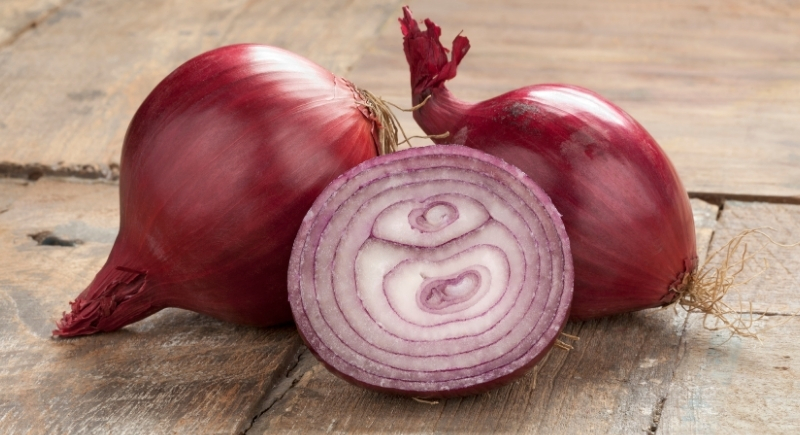
Cutting onions can make your eyes water, which is why many shoppers reach for pre-cut packs. The issue arises when you find that diced onions lose flavor quickly and can turn watery in a sealed wrap. This eventually affects soups and sauces where onion builds the base.
Bagged Salad Greens
Credit: Getty Images
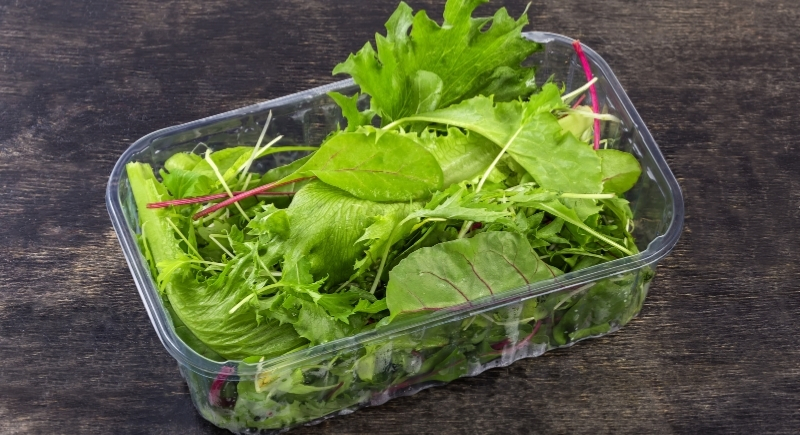
Prepared salad greens move through large facilities that cut, wash, and mix leaves from multiple farms. The scale makes contamination harder to trace, which explains frequent recalls tied to bagged greens. Natural water content also remains trapped in the packaging, accelerating wilting.
Mushrooms
Credit: Getty Images
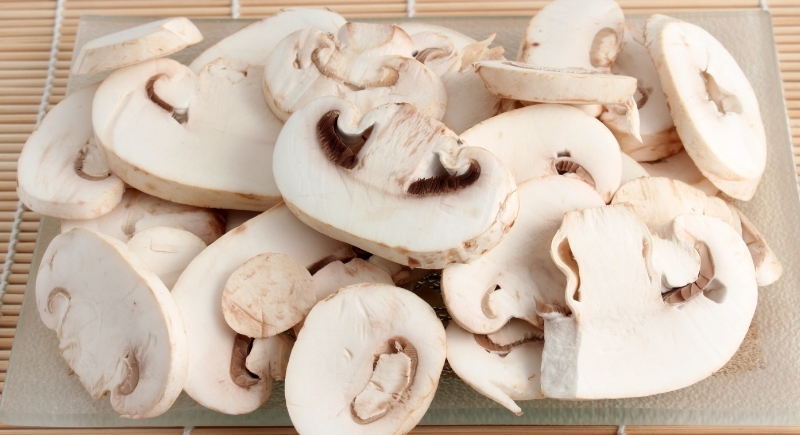
If you buy whole mushrooms and slice them just before cooking, you get more control over their size and shape. That matters in dishes where even cooking makes a difference. Pre-sliced mushrooms expose delicate interiors to air and moisture. The cut surfaces dry out or bruise rapidly inside plastic wrap. A greater surface area also reduces shelf life, as spoilage begins sooner.
Bell Pepper Strips
Credit: Canva
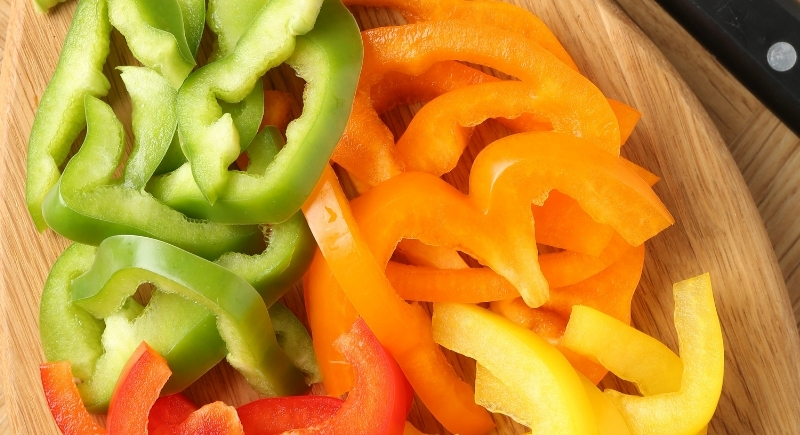
People often use colorful bell pepper strips in stir-fries, fajitas, pasta dishes, and salads because they add brightness and crunch. If you want guests to compliment that dish, skip the pre-cut container. Following slicing and packaging, peppers sit in trapped liquid that softens the flesh. The strips lose their crisp bite and can develop a slightly sour taste after a few days.
Broccoli Florets
Credit: Canva
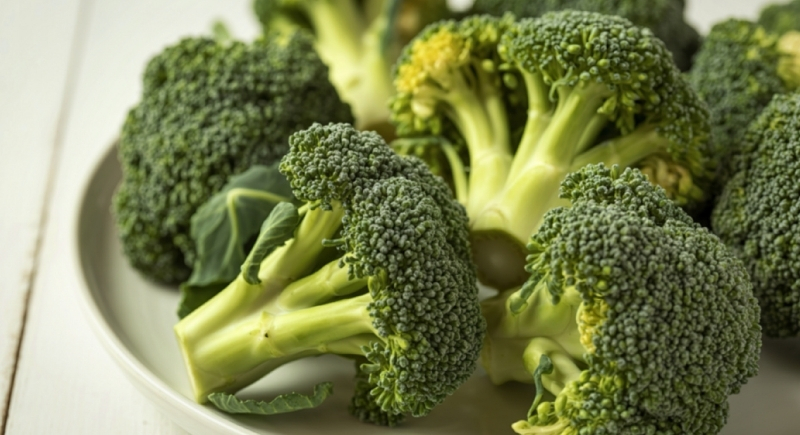
A whole head of broccoli requires minimal effort to break down. On the other hand, pre-cut florets tend to look drier at the edges and show yellowing sooner. Stems lose their snap after time in sealed bags. Cutting broccoli yourself lets you decide how much stalk to include, reducing waste.
Citrus
Credit: Getty Images
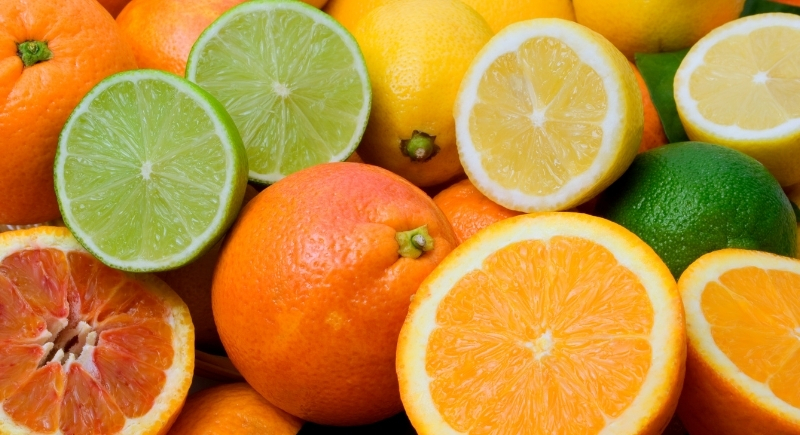
Keeping oranges, lemons, or limes whole preserves their integrity until you are ready to use them. The thick peel naturally shields the flesh and helps maintain freshness. Once sliced into wedges, the juice begins leaking almost immediately. The exposed pieces turn sticky in storage and turn limp in the refrigerator.