10 Artists Who Refused to Play Live Aid
Nearly 40 years have passed since Live Aid aired worldwide on July 13, 1985. Organized by Bob Geldof and Midge Ure to support famine relief in Ethiopia, the concerts in London and Philadelphia featured more than 75 performers and reached an estimated 2 billion viewers. Sets from Queen, U2, and Phil Collins became defining moments in pop history. Still, not every major artist said yes. Some declined for personal, political, or professional reasons, and those decisions reveal just as much about the music industry in 1985 as the performances themselves.
Michael Jackson
Credit: Wikimedia Commons
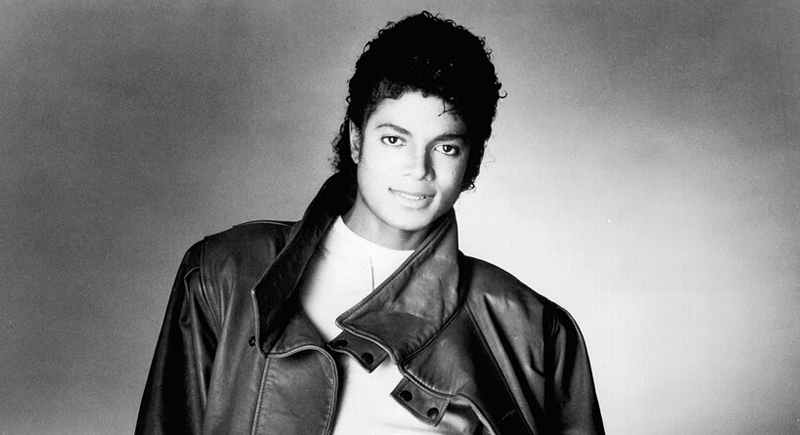
At the peak of his fame, Michael Jackson stayed away from Live Aid despite co-writing We Are the World. His representatives said he was deeply immersed in studio work and felt responsible for the people depending on him during that recording period. The decision surprised fans because his music already framed the entire charity effort.
Prince
Credit: Wikimedia Commons
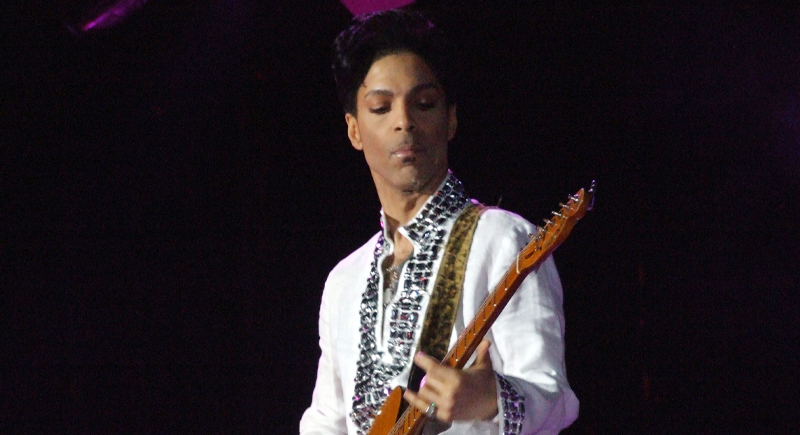
Prince avoided live charity spectacles during this era, and Live Aid followed that pattern. He declined to take the stage but still contributed indirectly by submitting a prerecorded performance. That compromise allowed his presence to be felt without stepping into the spotlight he often resisted in group settings.
Bruce Springsteen
Credit: Wikimedia Commons
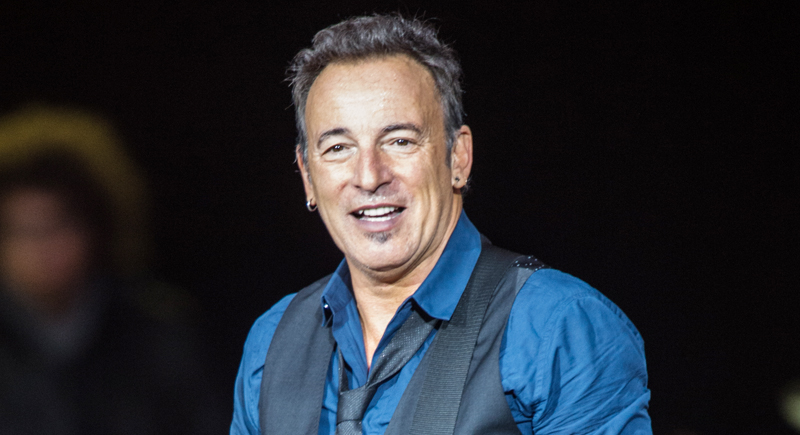
Fresh off the massive Born in the U.S.A. tour, Bruce Springsteen chose rest over another stadium appearance. The timing clashed with his honeymoon, and fatigue played a real role in the decision. He still supported the event by donating stage sets from his recent shows, which physically helped make Live Aid happen.
Stevie Wonder
Credit: Wikimedia Commons
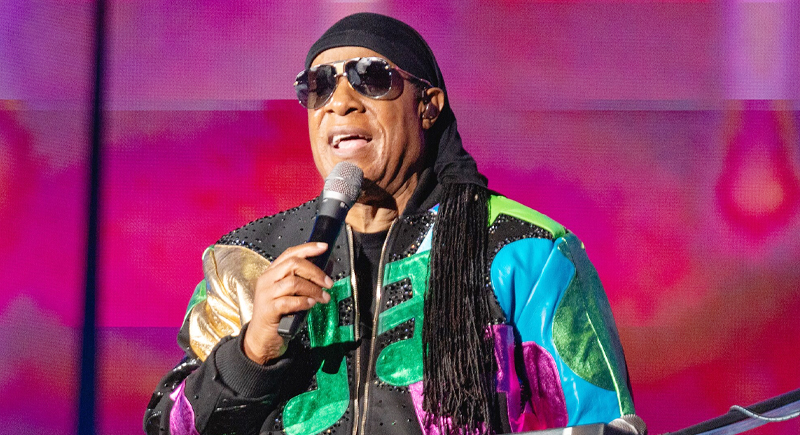
Stevie Wonder initially agreed to appear, then backed out after reviewing the lineup. He objected to being positioned as the only major Black performer on a largely white bill. His refusal highlighted diversity concerns that were already present but rarely discussed openly at the time’s mega-events.
Rod Stewart
Credit: Wikimedia Commons
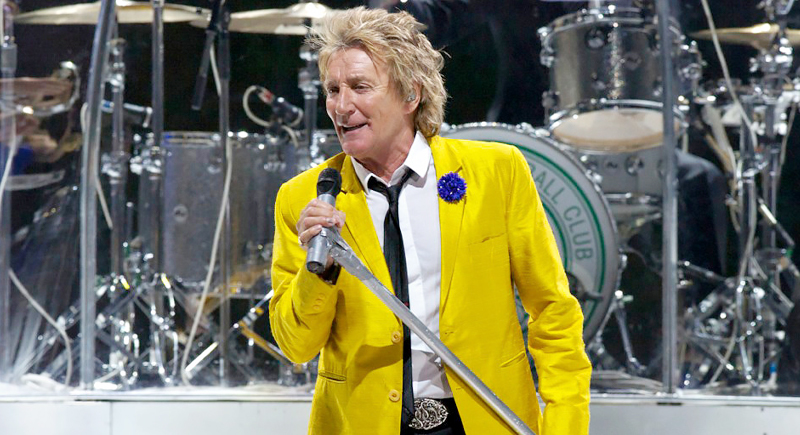
For years, people assumed Rod Stewart had missed Live Aid due to scheduling issues. That explanation stuck until he later shared what really happened. According to Stewart, his manager had pushed for guaranteed prime-time news coverage as a condition for his appearance. Stewart said he had no idea that a demand was made at the time and only learned about it well after the concert had ended.
Pink Floyd
Credit: Wikimedia Commons
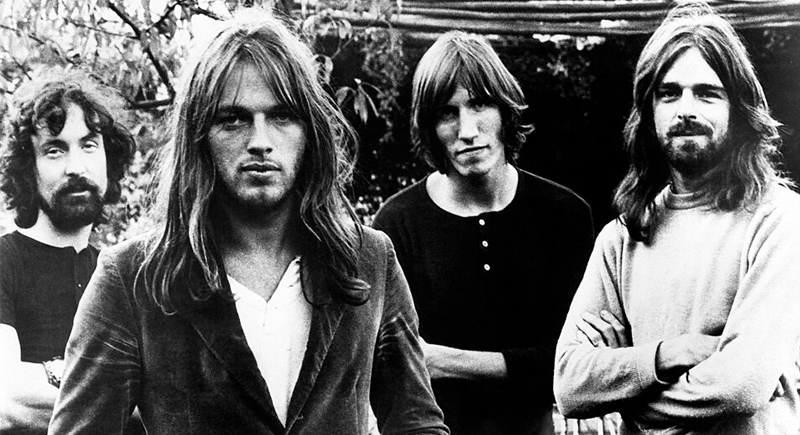
Live Aid briefly raised hopes of a Pink Floyd reunion, but tensions within the band dashed those hopes. Roger Waters had recently left the group and refused to reunite for the event. He did attend backstage, showing personal support while keeping the band’s internal conflict offstage.
Culture Club
Credit: Wikimedia Commons
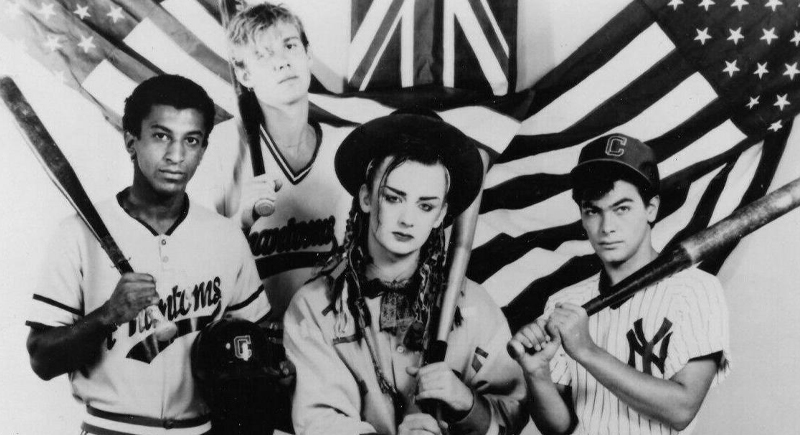
Culture Club was linked to the early charity momentum behind Do They Know It’s Christmas, which helped inspire the planning for Live Aid. However, Boy George later admitted that substance abuse issues affected his readiness to perform during that period. In earlier interviews, he also said he doubted the band could handle performing before billions of viewers.
Def Leppard
Credit: Wikimedia Commons
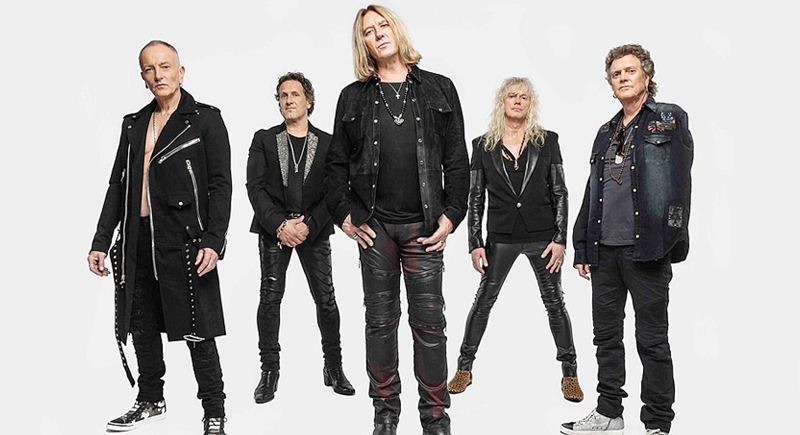
Def Leppard declined because drummer Rick Allen lost his left arm in a 1984 car crash. Doctors attempted reattachment, but infection forced amputation. The band refused to perform with a replacement drummer. Allen later returned using a custom electronic drum setup, which became a major comeback story in rock history.
Eurythmics
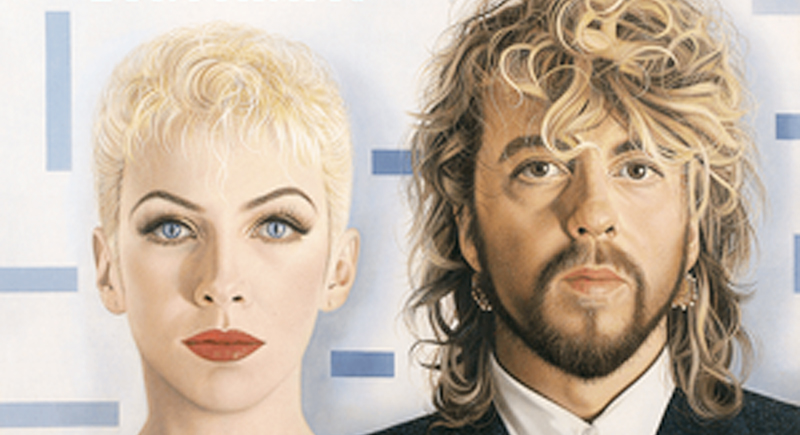
Credit: Wikimedia Commons
Singing was impossible at the time for Annie Lennox, who had then developed throat nodules after a long tour. Lennox later confirmed her voice was badly damaged during that period. Dave Stewart could not perform without her, so the band stepped away from the event. Lennox later performed at Live 8 once fully recovered.
Huey Lewis And The News
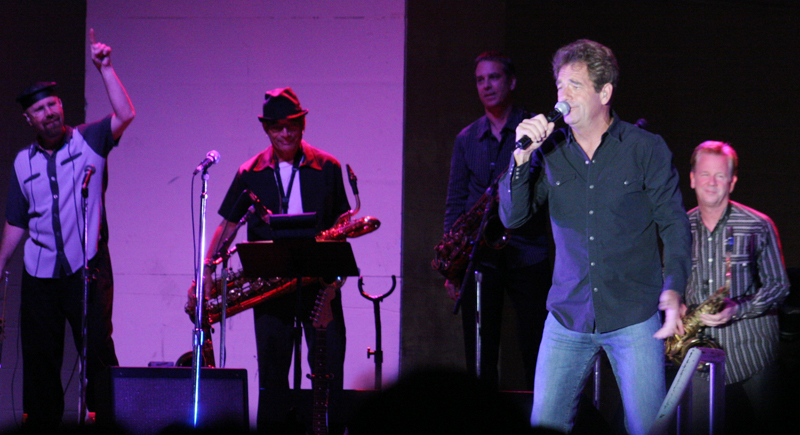
Credit: Wikimedia Commons
Huey Lewis and the News pulled out weeks before the show due to concerns about the distribution of charity funds. Lewis publicly questioned whether food aid money would reach famine victims directly. The band had already participated in “We Are The World,” which showed they supported the cause even as they questioned the logistics.