10 Surprising Ways American Homes Changed from the ’60s to the ’90s
American homes underwent a massive transformation between the 1960s and 1990s. Those three decades completely redefined how families used indoor spaces. As daily routines and comfort levels changed, floor plans grew more open, and homeowners developed refined expectations for modern living. Comparing these two eras side by side reveals a fascinating evolution. Houses adapted to fit a new kind of lifestyle.
Ceilings Lost Their Texture

Credit: Wikimedia Commons
Popcorn ceilings ruled the 1970s for two reasons. This bumpy finish hid ugly building mistakes and muffled loud room noise. The style remained popular well into the 1980s, until the 1990s, when flat surfaces became the top choice for new homes. Many homeowners spent hours scraping away that old texture.
Laundry Moved Out Of The Basement
Credit: pexels
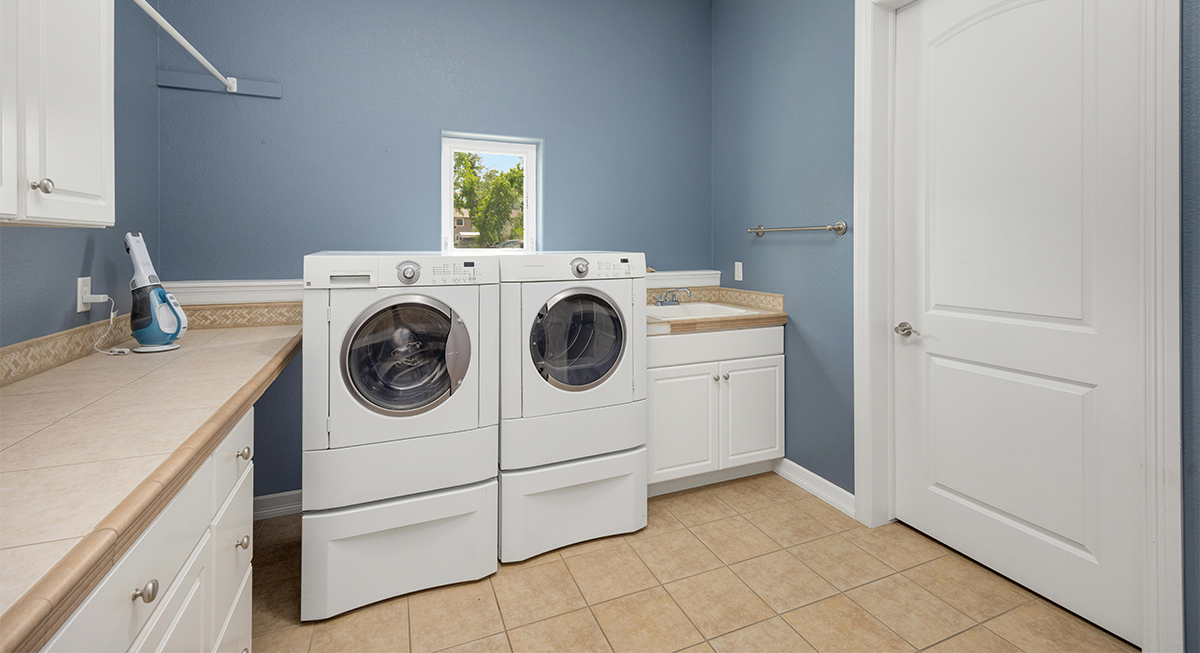
Doing laundry once meant heading down to the basement or stepping into the garage, but as American floor plans evolved, things changed. By the 1990s, architects were placing washers and dryers near bedrooms or central hallways instead. This practical update transformed a tedious task into a quick, routine task.
The Two-Car Garage Became The Norm
Credit: Reddit
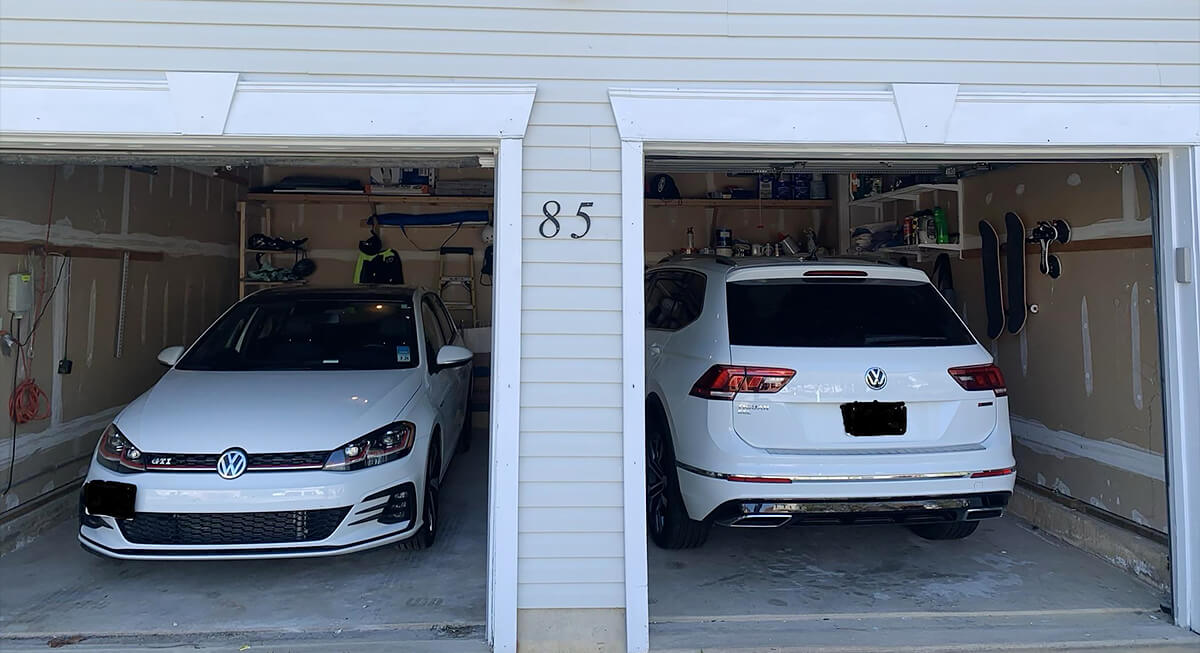
The humble driveway saw a massive growth spurt over the past thirty years. Suburban builders noticed that single-car garages or simple carports were failing to meet the needs of multi-car families. So, they chose to expand their floor plans, and by the 1990s, the two-car garage had become a standard feature in most new neighborhoods. These larger spaces also provided extra storage space.
Natural Light Took Priority
Credit: Canva
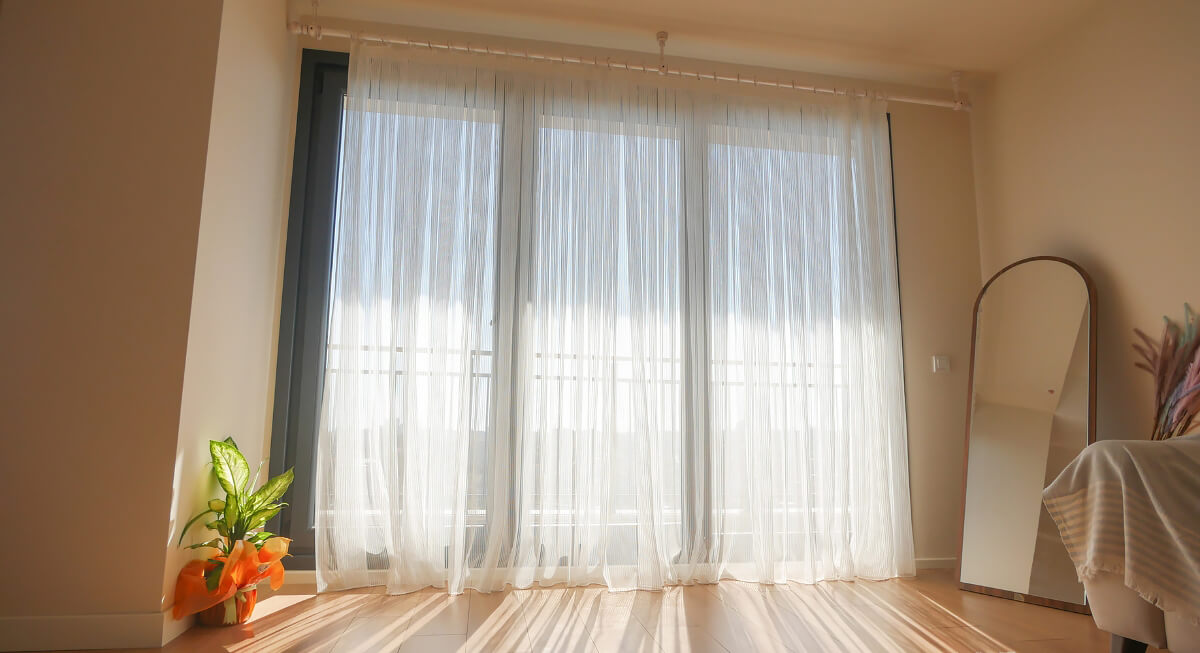
Older homes often had small windows due to high costs and building restrictions. Eventually, buyers began craving brighter rooms, and architects responded by adding massive sliding glass doors and taller windows to later designs. This change also connected indoor spaces to backyards and patios.
Carpet Covered More Ground
Credit: pexels
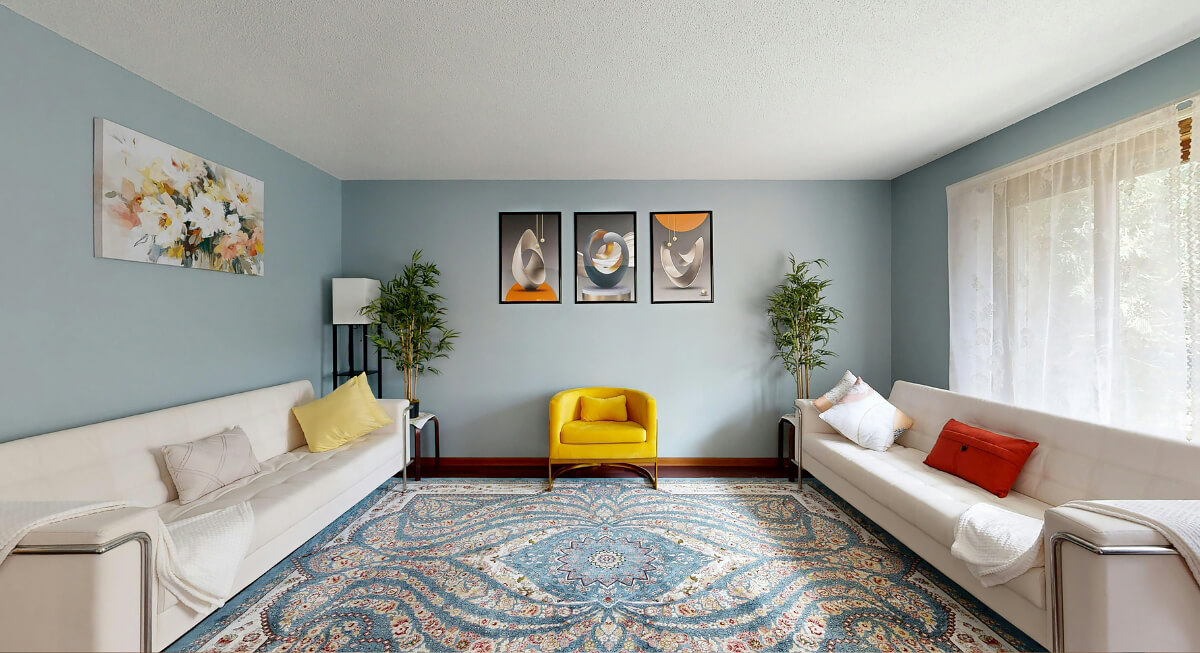
In a 1990s home, the carpet stretched well beyond the living room. Homes from previous decades had mixed flooring, with carpet available only in select areas. It wasn’t until the manufacturing industry advanced that wall-to-wall carpeting became cheaper and easier to install. Homeowners leaned into that comfort because softness underfoot made a noticeable difference.
Closet Space Got Bigger
Credit: pexels
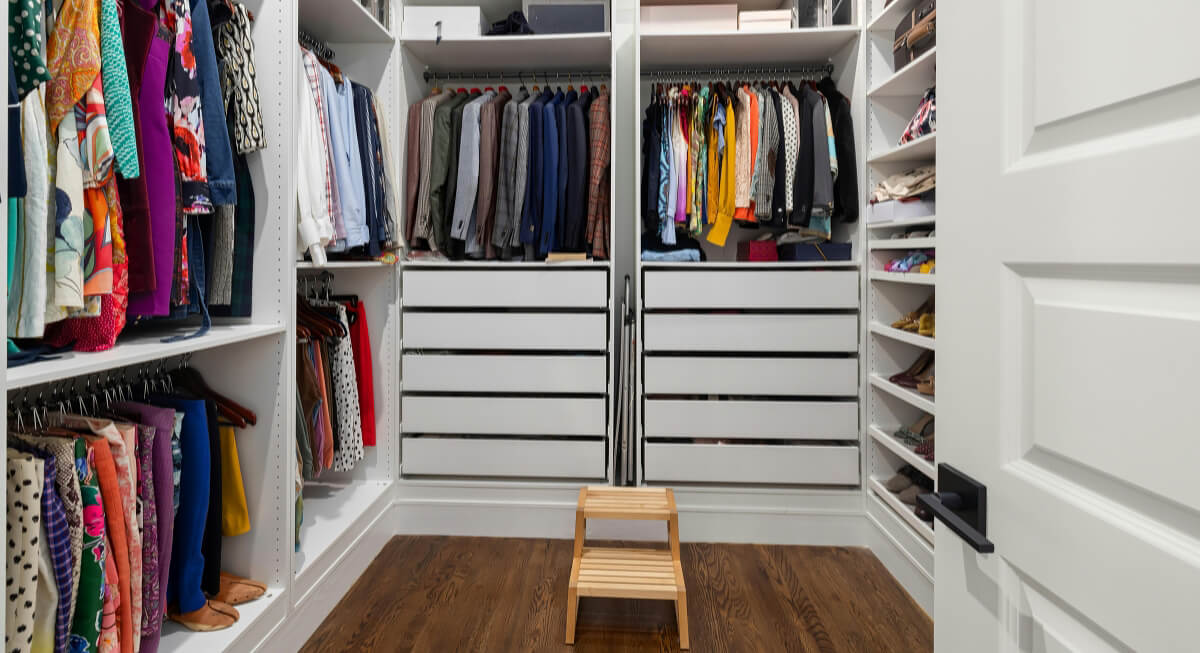
Storage needs grew as households accumulated more clothing and personal items. The tiny cabinets of the past soon felt way too crowded for modern life. To fix this, builders started adding much larger storage areas to main bedrooms. Walk-in closets became a must-have feature for new houses in the 1990s.
Air Conditioning Became Standard
Credit: Reddit
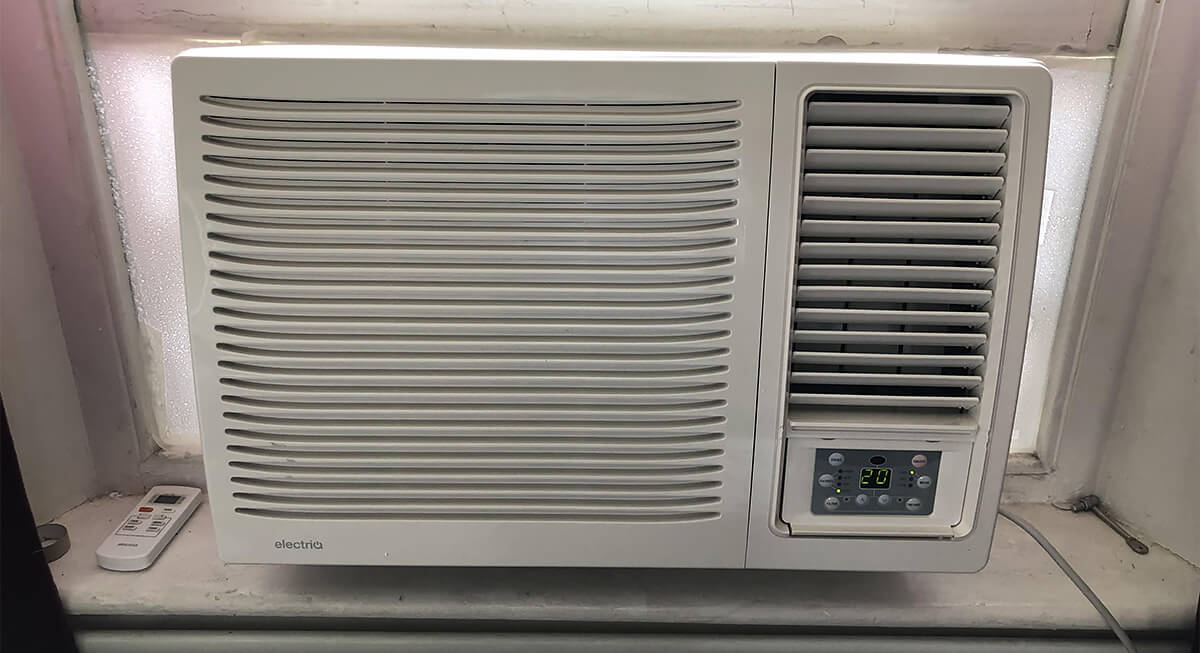
In many 1960s homes, staying cool meant opening windows or relying on fans. Central air systems existed, though they weren’t as widespread as they are today. As installation became more common, expectations shifted. Central air conditioning was a familiar sight in homes built in the 1990s, especially in warmer regions.
Lighting Became More Layered

Credit: pexels
A single ceiling bulb once handled most lighting needs in a room, but this approach faded away in the 1990s. As tastes changed, designers introduced recessed lighting and focused lamps to brighten specific areas. Eventually, most rooms began using multiple light sources simultaneously. This clever update gave people total control over brightness, depending on the time of day or activity.
Exterior Materials Shifted Toward Low Maintenance
Credit: pexels
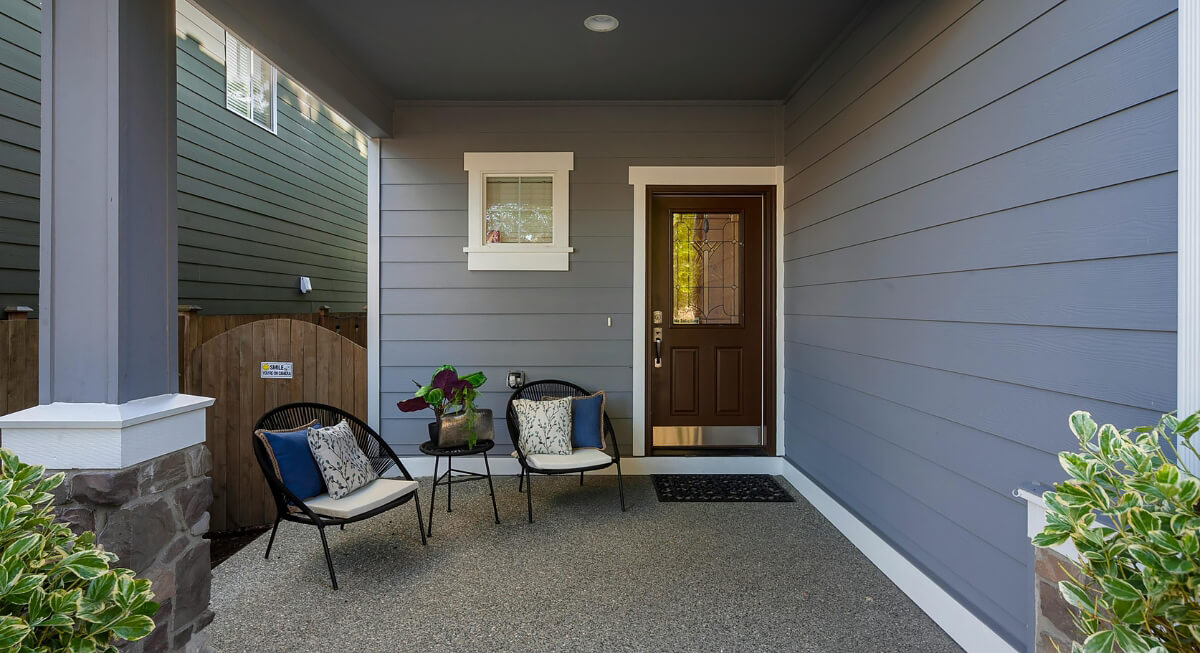
While classic wood and brick defined the 1960s, those materials demanded a lot of hard work. Homeowners soon craved something simpler. Vinyl siding became the new favorite during the 1980s and 1990s because it had a tough exterior and required less maintenance. This shift toward low-maintenance living allowed families to enjoy durable homes without worrying about constant repairs.
Security Became More Built-In

Credit: Canva
Locks and keys used to be the only line of defense for a quiet home. Neighborhood safety relied on simple trust until technology entered the picture. By the 1990s, motion sensors and loud alarm systems moved into the suburbs. Many builders even pre-wire new houses for extra protection. These tech updates didn’t turn every home into a fortress, but they gave families more peace of mind.