The Insane Things Humans Can Do When Adrenaline Kicks In
A sudden surge of adrenaline can shift the body into a heightened, take-action mode. Muscles react differently as thinking speeds up, and pain fades into the background. These changes happen fast, and for a brief window, people move, notice, and endure in ways that seem impossible under calm conditions.
Hysterical Strength
Credit: Getty Images
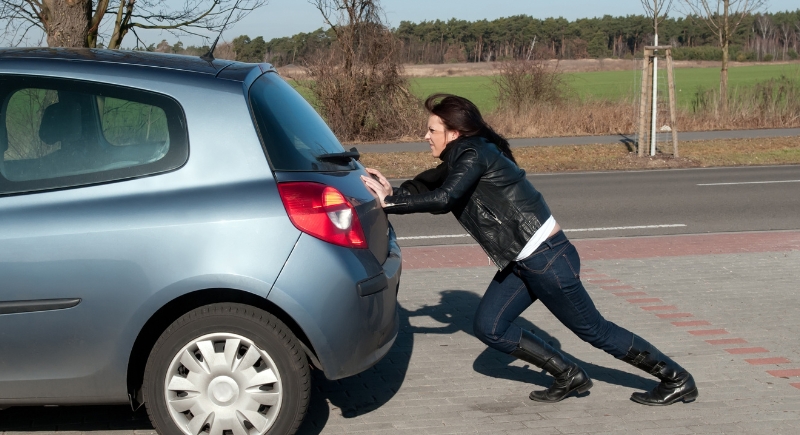
A rare emergency can increase strength to startling levels. Reports describe people moving objects far beyond their everyday ability as adrenaline floods their system and recruits muscle fibers that are usually dormant. Oxygen rises, blood pressure spikes, and more energy becomes instantly available.
Extreme Endurance

Credit: Getty Images
When the brain senses a challenge, adrenaline prompts the release of stored glucose into circulation and keeps the heart beating at a faster rate. This then comes with a rare stretch of stamina. Runners often refer to this surge as a second wind, but a similar effect occurs in emergencies when fatigue briefly takes a backseat.
Heightened Focus

Credit: pexels
Moments that demand quick thinking activate a sharper mental state. Adrenaline increases oxygen flow to the brain and speeds up neural signaling, which tightens concentration. Pilots and emergency workers sometimes describe these periods as a kind of mental tunnel where scattered thoughts fall away, and decision-making becomes surprisingly efficient.
Bullet-Time Perception

Credit: Getty Images
Some people describe intense situations as if they are moving in slow motion. The difference is actually in the brain’s processing speed. With adrenaline active, memory encoding accelerates and makes events feel stretched even though time hasn’t shifted. The altered perception helps people track fast details and react to threats with unusually precise timing.
Pain Suppression
Credit: Canva
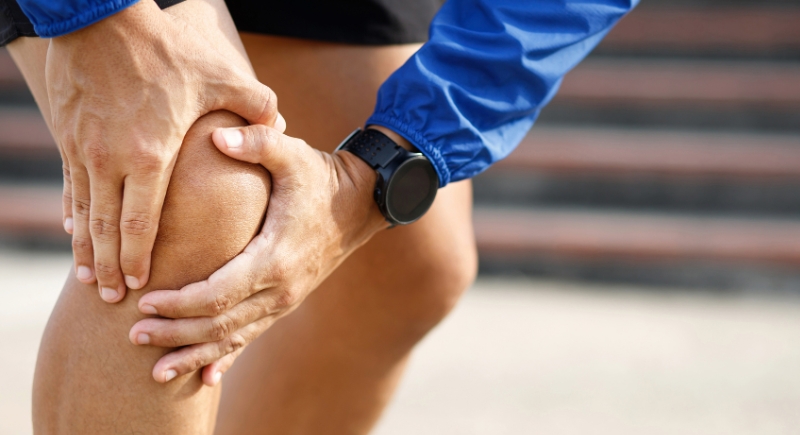
Injury during a stressful moment doesn’t always register immediately. Adrenaline interferes with how pain signals reach the brain, which gives the body time to escape danger or complete a task. Athletes and emergency responders often recall continuing through an incident only to fully notice the injury once the hormonal surge fades.
Improved Vision

Credit: pexels
During moments of intense stress, the pupils widen and allow far more light to enter. This shift sharpens contrast and helps the eyes track movement with unusual clarity. Climbers and skydivers often describe a sudden crispness in their surroundings because the brain begins processing visual information at a faster rate.
Faster Breathing Power

Credit: Getty Images
When adrenaline floods the system, the airways relax and open. The simple change increases oxygen intake and gives the lungs more room to work. Muscles receive extra fuel right when they need it most. Many people describe the sensation as suddenly breathing with far less effort.
Boosted Immunity

Credit: Photocreo
As the body prepares for a challenge, certain white blood cells begin circulating more rapidly. Researchers interpret this as a short, protective response meant to anticipate possible injury. The effect fades soon after the stressor passes, but for a brief window, the immune system becomes more alert and ready.
Sharper Motor Coordination
Credit: pexels
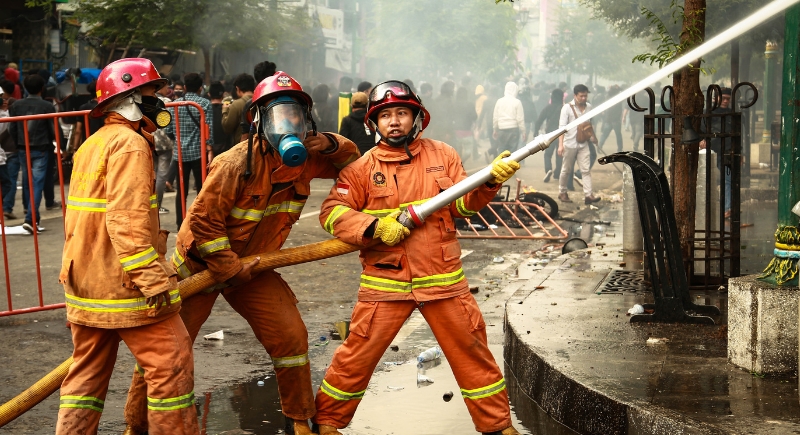
Signals between the nervous system and the muscles travel faster during times of urgency. Movements that typically require concentration can feel automatic, almost as if the body takes over before the mind completely registers what is happening. Firefighters, parkour athletes, and climbers often recall instances where quick reactions seemed to come out of nowhere.
Intense Emotional Release

Credit: pexels
When everything finally calms, the hormonal mix that supported the body through the peak moment blends with neurotransmitters linked to mood. The result can feel like a sudden wave of relief, excitement, or even laughter. Many people describe this as an emotional reset that arrives only after the body leaves its high-alert state.