Actors Who Took Iconic Roles for Free Because the Script Moved Them to Tears
Hollywood contract stories usually involve giant checks, percentage deals, and luxury trailers. It can appear as if studios are just throwing money around. Then come the rare cases where somebody reads a script, calls a director back, and agrees to work for almost nothing. Plenty of those decisions later became attached to cult classics, Oscar nominees, and performances that still dominate movie conversations years later.
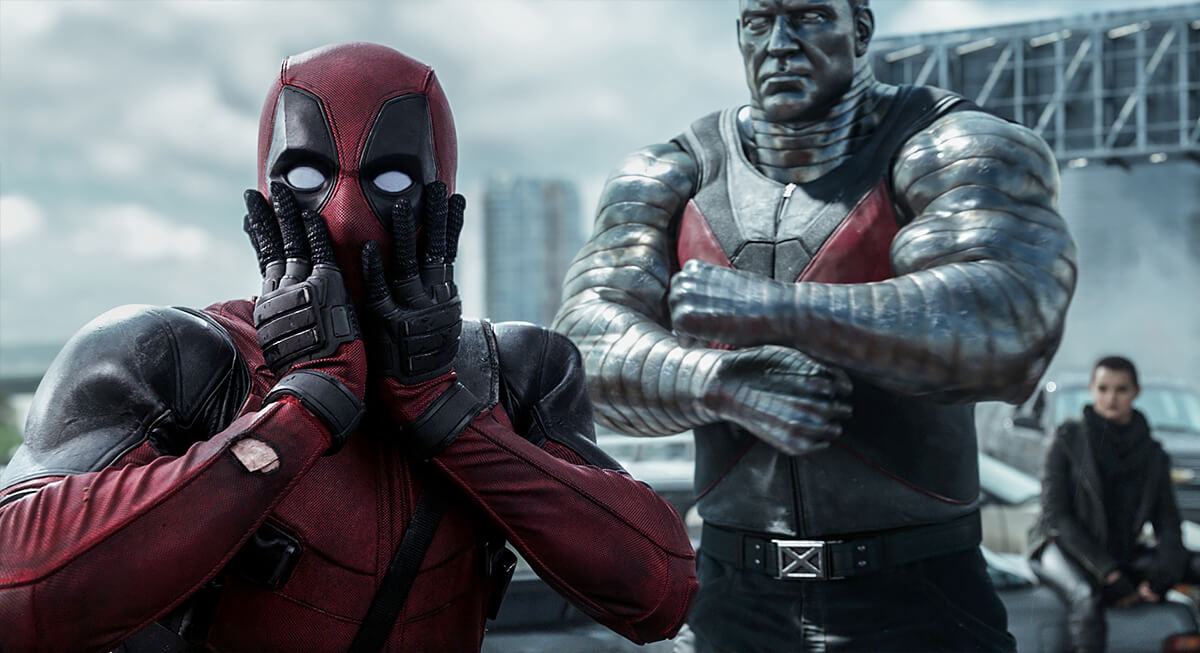
Ryan Reynolds — Deadpool
Credit: IMDb
Years before Deadpool became a billion-dollar franchise, the project’s development was in limbo. Studios questioned whether audiences would pay for an R-rated superhero comedy packed with profanity and graphic violence. Ryan Reynolds believed in the material enough to sacrifice part of his salary so writers Rhett Reese and Paul Wernick could remain involved throughout filming. Reynolds also carried unfinished business with the character after the widely criticized version seen in X-Men Origins: Wolverine.
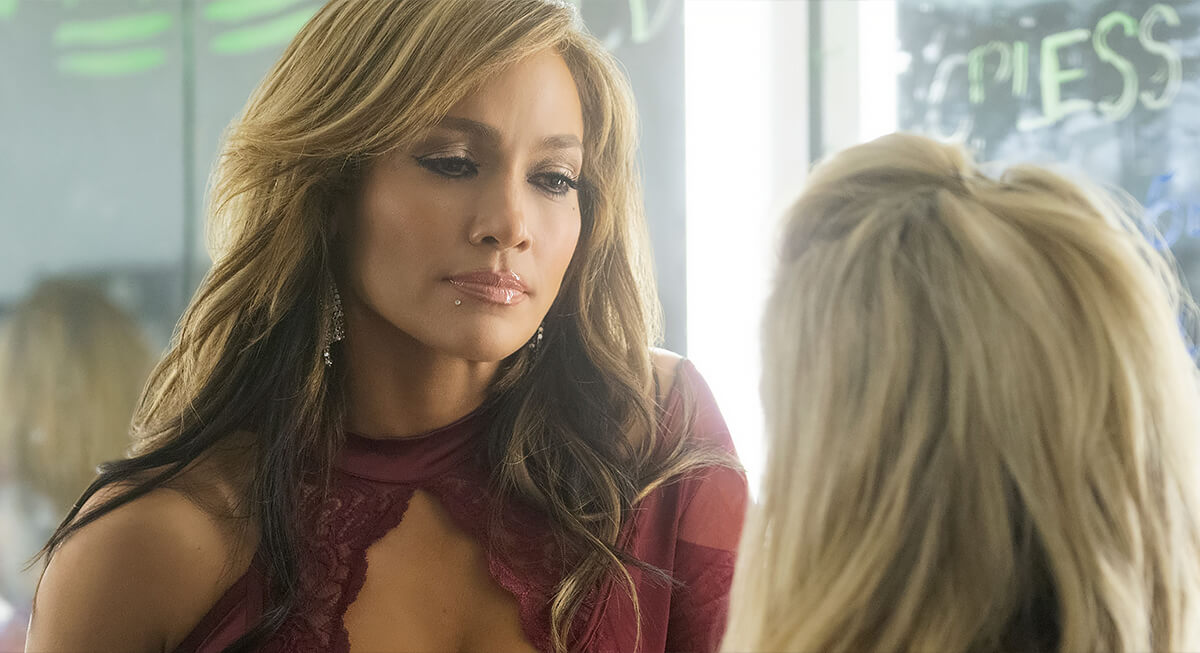
Jennifer Lopez — Hustlers
Credit: IMDb
Jennifer Lopez already had blockbuster success, music fame, and decades in the spotlight before Hustlers. What attracted her was Ramona herself. The character carried confidence, calculation, desperation, and exhaustion all at once. Lopez felt this gave her space to push deeper than glamorous supporting roles usually allowed. Hustlers became one of 2019’s breakout hits and pushed Lopez back into awards-season conversations for the first time in years after audiences connected strongly with her performance.
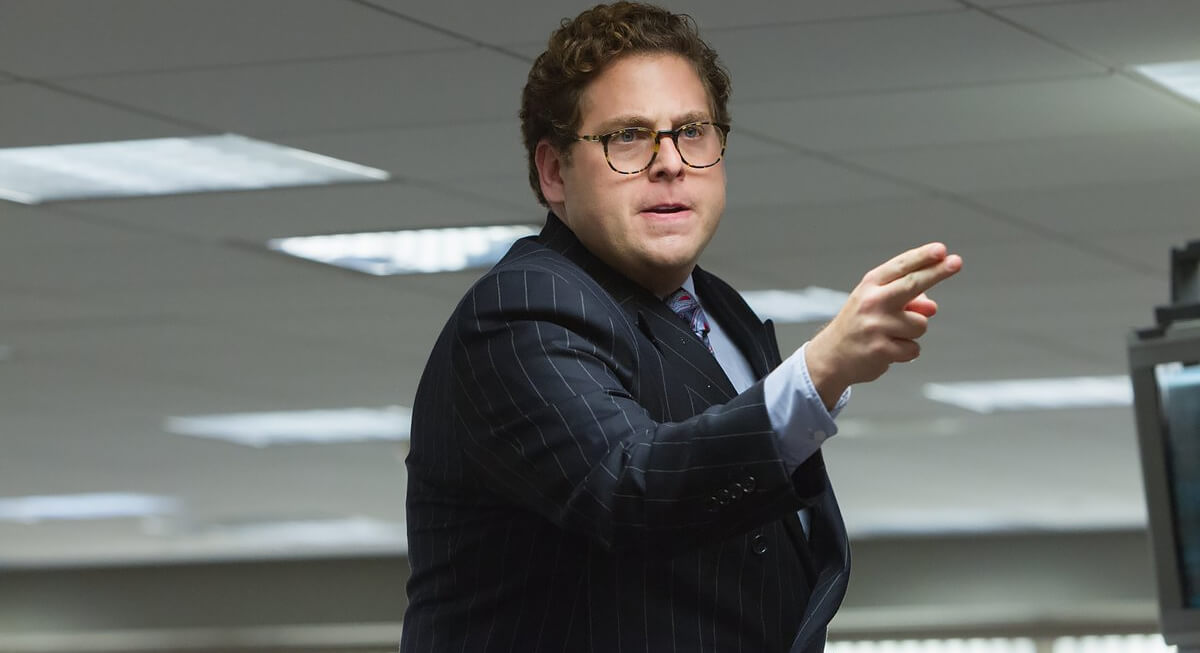
Jonah Hill — The Wolf of Wall Street
Credit: IMDb
According to reports, Jonah Hill’s pay for The Wolf of Wall Street was near SAG minimum while Leonardo DiCaprio collected millions. Hill accepted the gap immediately because the chance to work with Martin Scorsese was more valuable to him than the paycheck. He still carried the reputation of being mainly a comedy actor after movies like Superbad and 21 Jump Street, even though he had already started chasing heavier material. Playing Donnie Azoff earned him an Oscar nomination and expanded how Hollywood viewed him afterward.
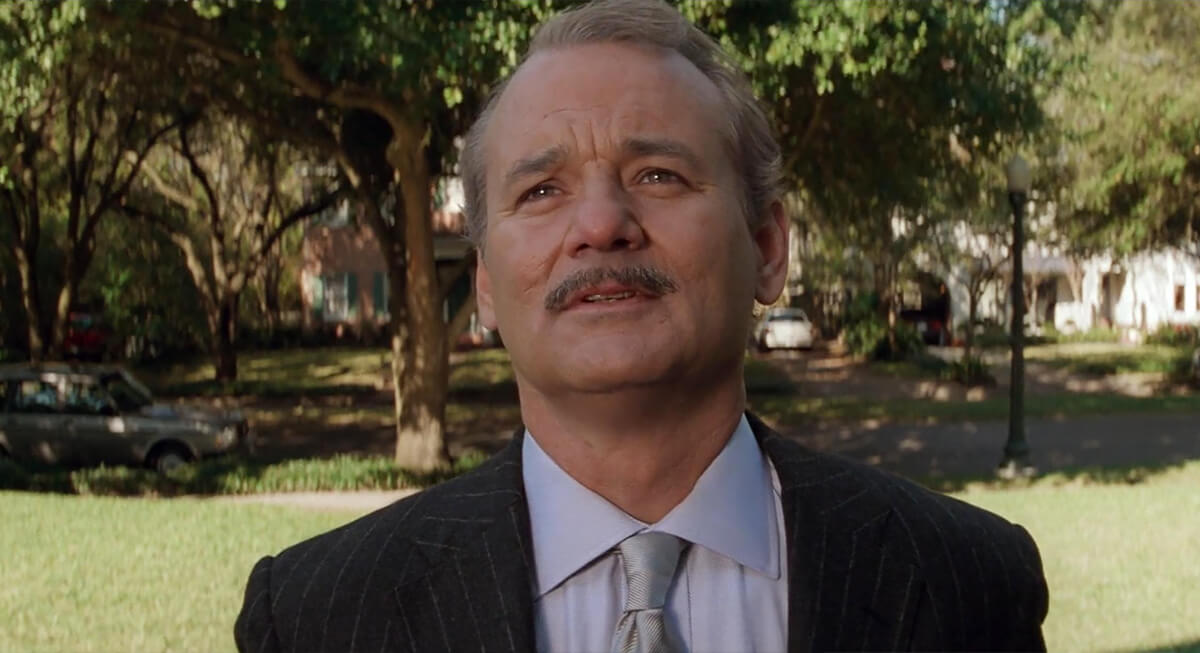
Bill Murray — Rushmore
Credit: IMDb
Bill Murray could have ignored a small independent comedy like Rushmore entirely, especially during a period when studios still associated him heavily with mainstream comedies. Instead, Wes Anderson’s script grabbed his attention enough for him to work for scale pay. Murray also helped with the production in other ways. After Disney refused to fund an expensive helicopter shot, he reportedly paid for it himself.
George Clooney — Good Night, and Good Luck
Credit: IMDb
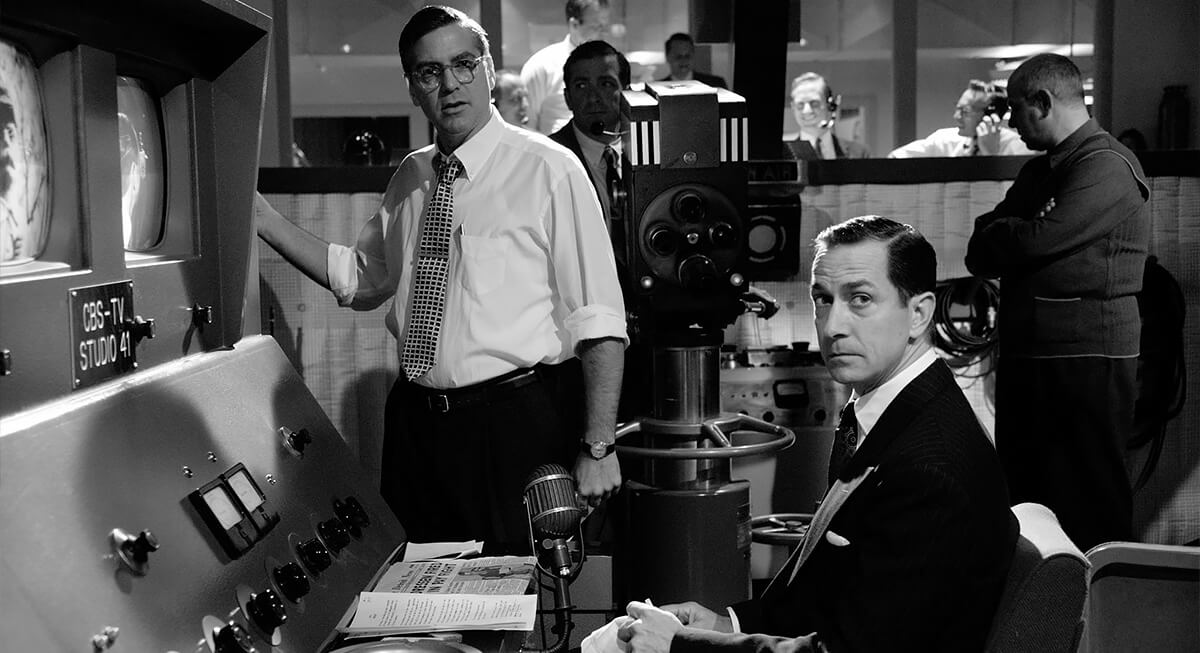
In 2005, black-and-white cinematography, newsroom conversations, and McCarthy-era politics hardly made for a commercial hit. Still, George Clooney fully committed himself to Good Night, and Good Luck because he strongly connected with its examination of journalism and political pressure. The budget was so tight that Clooney reportedly paid himself only a few dollars despite directing, co-writing, and acting in the movie. He even mortgaged his home during production to help keep financing together. The finished film collected multiple Oscar nominations.
Christopher Lee — The Wicker Man
Credit: IMDb
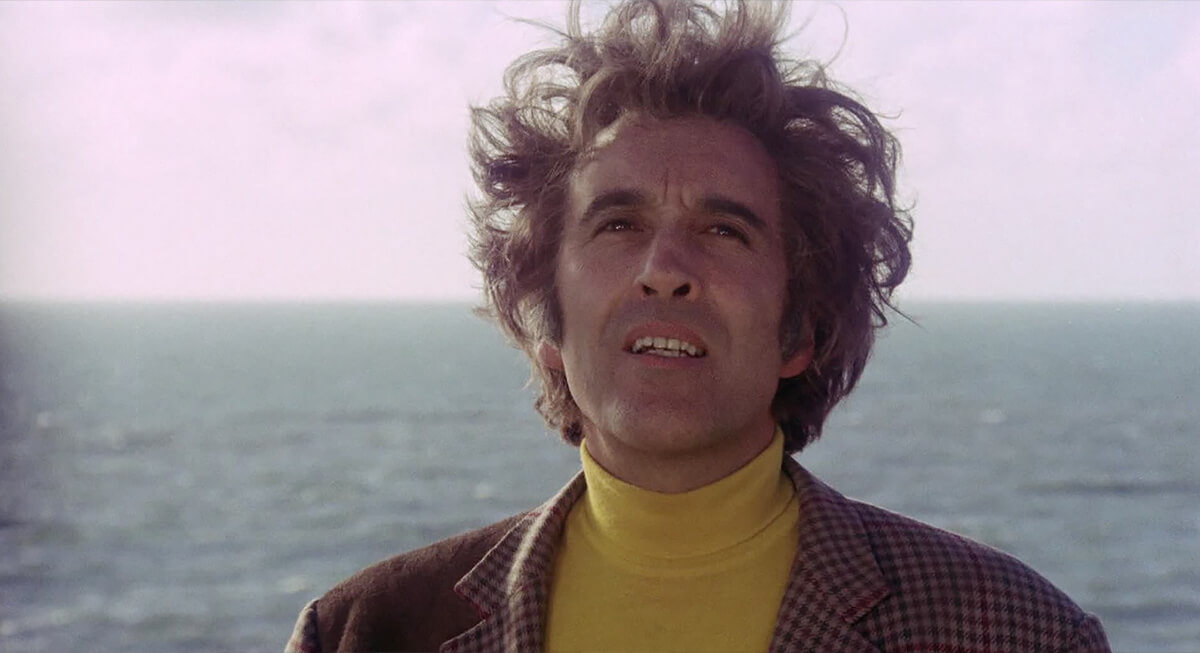
Christopher Lee spent years trapped within the public image created by Hammer horror films through repeated appearances as Dracula and Gothic monsters. The Wicker Man was something entirely different. Lee connected strongly with the film’s folk rituals, religious tension, strange musical sequences, and psychological unease. Budget constraints left little money for salaries, but he still agreed to appear without pay because he deeply believed in the script and its unusual structure.
Bruce Willis — Four Rooms
Credit: IMDb
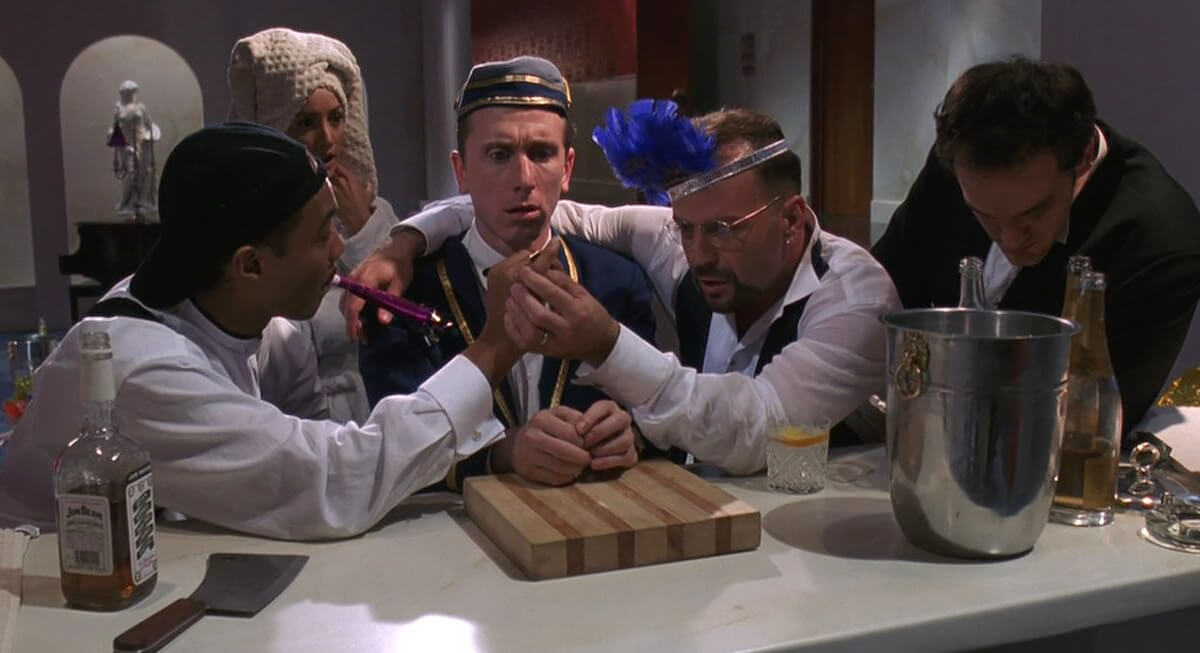
Bruce Willis joined Four Rooms mainly as a favor to Quentin Tarantino. His segment closes the anthology film with frantic arguments, drinking games, and chaos inside a hotel penthouse. Willis agreed to appear without payment, which violated Screen Actors Guild rules requiring actors to be compensated for their performances. The production solved the issue by removing Willis from the official credits entirely.
Arnold Schwarzenegger — Twins
Credit: IMDb
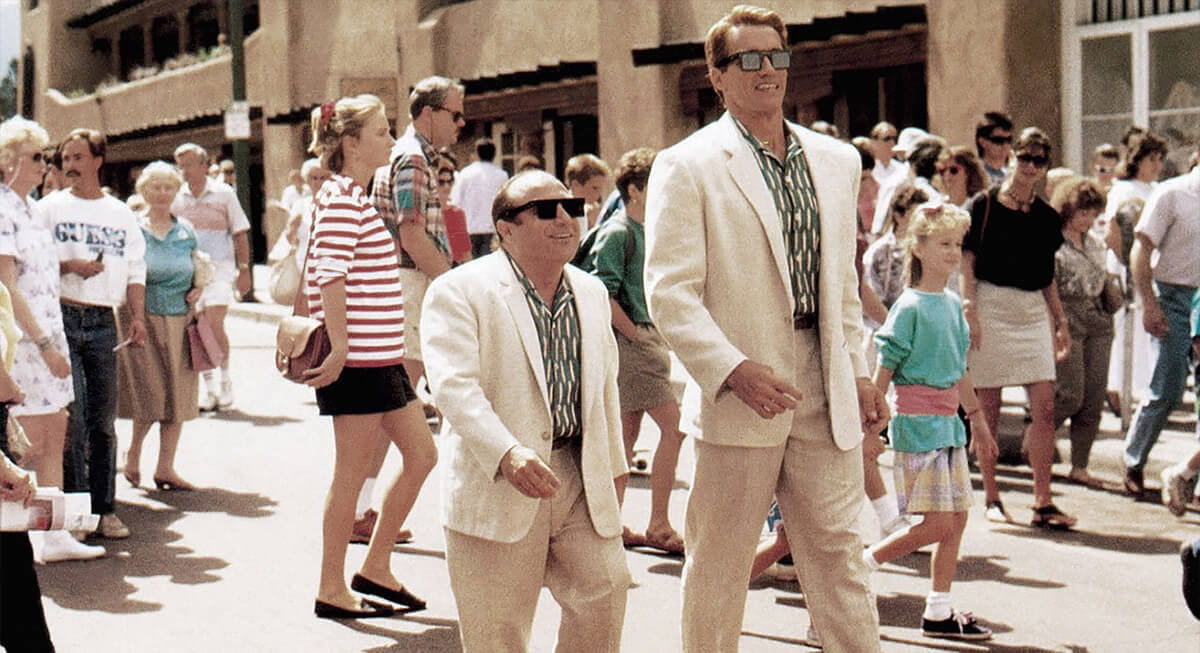
Arnold Schwarzenegger spent most of the 1980s attached to machine guns, explosions, and action-heavy blockbusters, so Twins was a genuine gamble. Instead of demanding his standard salary, he accepted backend profits alongside Danny DeVito and director Ivan Reitman. Universal liked the arrangement because executives were not sure audiences would embrace Arnold as a comedic lead. But Twins became a huge box-office success.
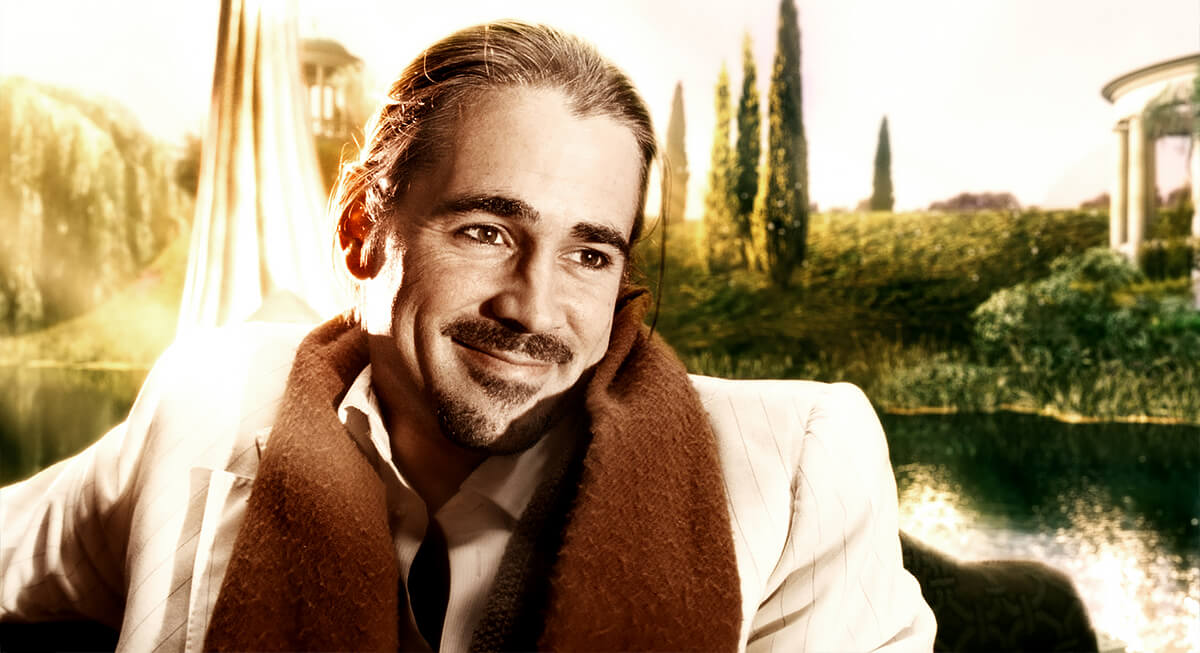
Johnny Depp, Jude Law, and Colin Farrell — The Imaginarium of Doctor Parnassus
Credit: IMDb
Production on The Imaginarium of Doctor Parnassus stopped abruptly after Heath Ledger died in 2008, with large sections of the film unfinished. Director Terry Gilliam refused to abandon the project and reworked the story so Johnny Depp, Jude Law, and Colin Farrell could complete Ledger’s role inside fantasy sequences that changed the character’s appearance. The three actors reportedly donated their salaries to Ledger’s daughter, Matilda.
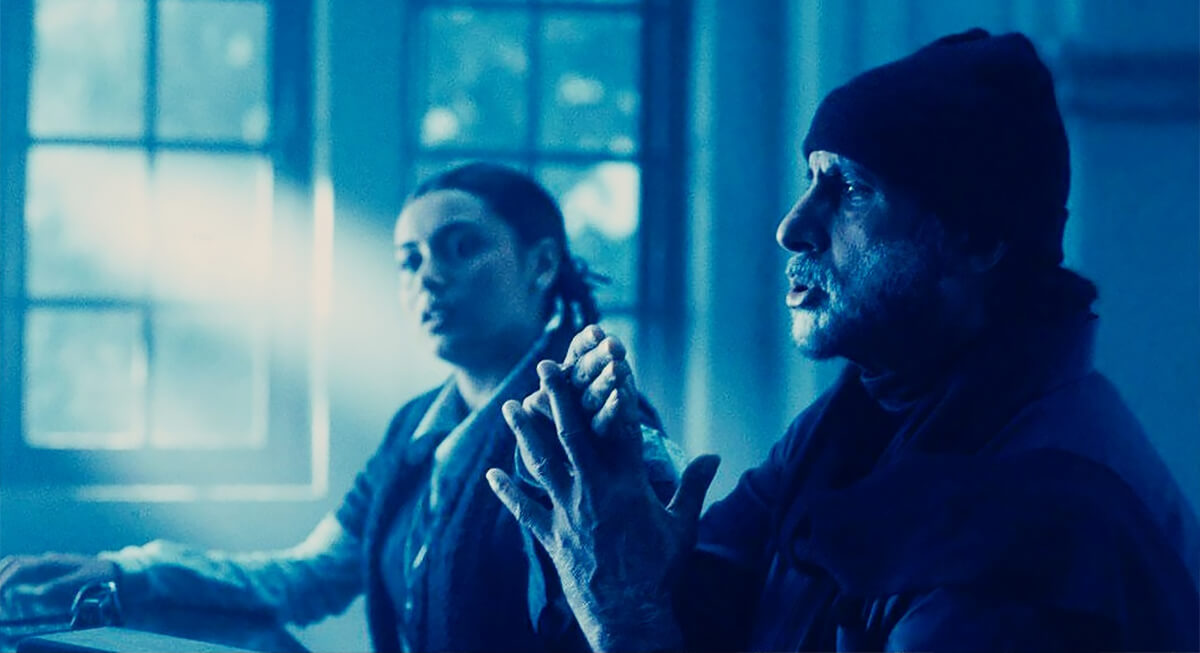
Amitabh Bachchan — Black
Credit: IMDb
Amitabh Bachchan was a legend in Bollywood long before Black. This made his decision to reject payment especially notable inside the Indian film industry. Directed by Sanjay Leela Bhansali, the movie follows a teacher helping a deaf-blind student build communication and independence. Bachchan later explained that working with Bhansali alone was enough to justify joining the project. Audiences still rank the role among the finest achievements of his later career.