A Kenyan Maasai Tribe Offered Cows to the United States After 9/11
Wilson Kimeli Naiyomah stood between two very different lives. He grew up in Enoosaen, a rural village near the Maasai Mara with limited access to basic infrastructure. As a child, he had to push through serious obstacles just to attend school, at one point walking long distances and asking to be admitted without money, books, or even shoes.
By 1996, his determination paid off when he secured support to study in the United States, enrolling at the University of Oregon before later transferring to Stanford University. The country that had once felt out of reach became a place that gave him direction and support.
On September 11, 2001, Kimeli was in New York City. He witnessed the aftermath of the attacks on the World Trade Center and carried that experience with him when he returned home months later. For many in his village, this was the first time they heard about what had happened.
A Transformative Question
Image via Pexels/Henri Mathieu-Saint-Laurent
When Kimeli explained the attacks to the elders in 2002, the scale of the tragedy was hard to grasp. Skyscrapers and airplanes were unfamiliar concepts in a place like Enoosaen. Still, the emotional impact was clear, and one elder asked what they could do for the people affected.
Kimeli responded with an idea rooted in his culture. He wanted to give a cow to the United States. Among the Maasai, cattle symbolize life, wealth, and survival. Offering a cow carries deep meaning, often tied to comfort and healing. The elders supported the idea, and families across the community joined in. In the end, 14 cows were pledged, one from each of the major families in a community of around 10,000 people.
The Meaning of 14 Cows
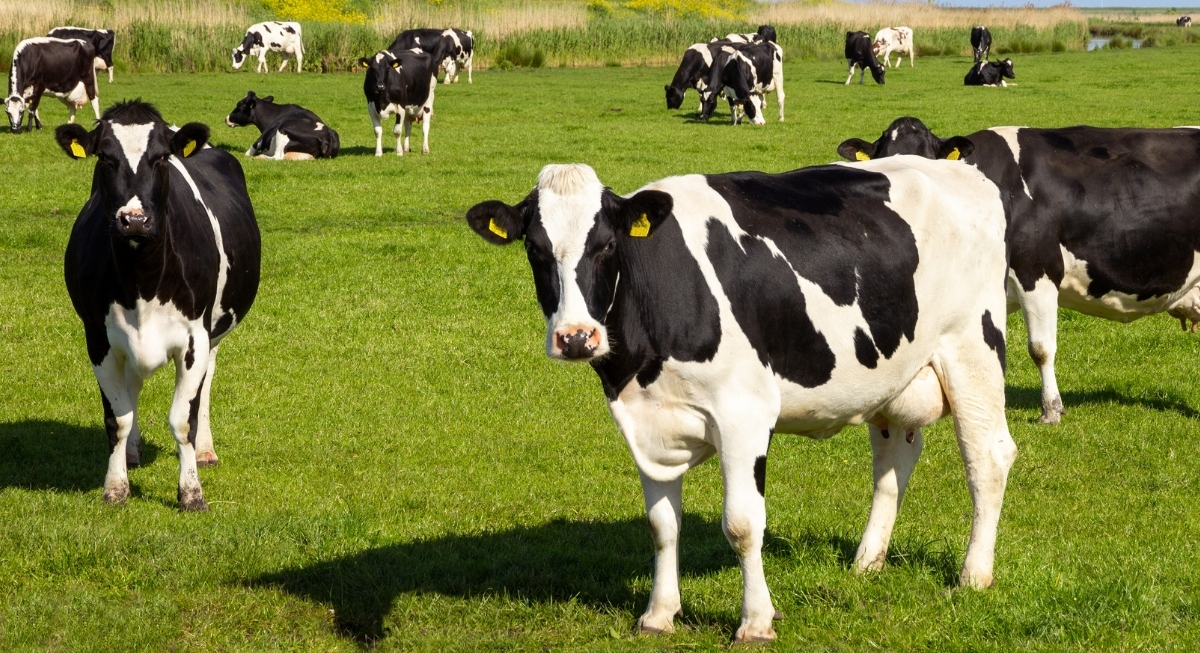
Image via Getty Images/VanderWolf-Images
Within the Maasai culture, cattle are central to daily life and identity, and giving them away reflects genuine sacrifice. An elder later described cows as the “handkerchiefs we Maasai use to wipe away tears.” The goal of offering the gift was not to replace what had been lost, but to offer comfort in the most meaningful way they knew.
The decision had even more significance considering Kenya’s own experience with terrorism, including the 1998 embassy bombings in Nairobi and Dar es Salaam. The community understood loss, and their response came from that shared perspective.
A Ceremony Few Expected
Image via Pexels/Sides Imagery
On June 3, 2002, United States diplomat William Brencick traveled to Enoosaen to accept the gift. Reaching the village required a long journey across difficult terrain, but the reception made it clear the effort mattered.
More than 1,000 people gathered for the ceremony. American flags were raised, and “The Star-Spangled Banner” played over a loudspeaker. Signs carried messages of support for the United States.
Practical challenges soon followed. Transporting the cattle over 7,250 miles to the United States proved unrealistic due to cost, regulations, and concerns for the animals’ survival. Instead, the herd remained in Kenya under the community’s care.
A Gift That Continued To Grow
The story did not end with the ceremony. Over time, the herd expanded, reaching 26 cattle within a few years. The animals became known as “America’s cattle.”
In 2006, United States Ambassador Michael Ranneberger returned to Enoosaen to formalize an agreement. The Maasai would continue caring for the herd, and in return, 14 scholarships were established for local students, one for each original cow. Each scholarship was valued at about $3,500 per year over four years, a meaningful investment in a region where even modest school fees can be difficult to afford. There’s even a brass marker in the village to commemorate the gift.