A Children’s Hospital Has Been Getting ‘Peter Pan’ Royalties for 90 Years
A children’s hospital in London has received royalties from Peter Pan since 1929. Instead of a one-time donation, author J. M. Barrie transferred the rights to his book and stage play to Great Ormond Street Hospital. Since then, licensed performances, publications, and other uses of the story in the UK have continued to generate income. The unusual structure of the gift allowed the royalties to extend beyond normal copyright limits, creating one of the longest-running funding arrangements tied to a single literary work.
The gift tied the hospital’s funding to the story’s continued life rather than a fixed sum. Every authorized use in the UK, from stage revivals to printed editions and merchandise, sent revenue back to the hospital. Barrie set no conditions and no end date, which allowed the arrangement to grow over time. What drew little notice in 1929 later proved to be one of the most durable legacy gifts in charitable history.
Why Peter Pan Kept Paying Off
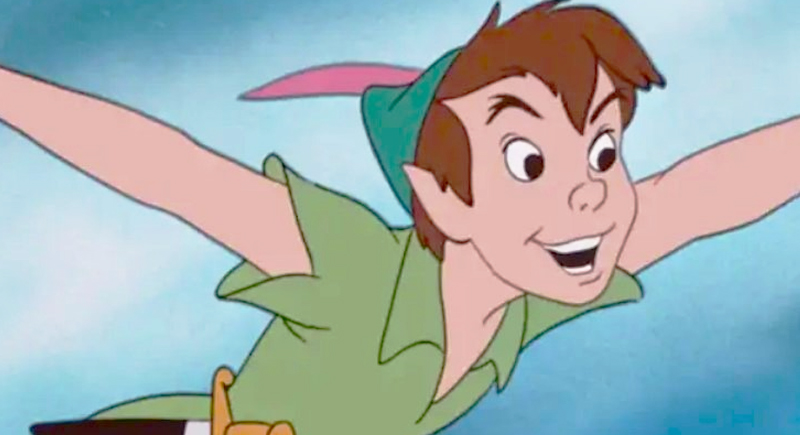
Image via Wikimedia Commons/Walt Disney
Most creative works peak, fade, and disappear, but Peter Pan refused to follow that path. The story keeps resurfacing in theaters, classrooms, and holiday pantomimes. Schools stage it, amateur groups license it, and professional productions refresh it for new audiences. Each performance carries a built-in benefit for the hospital.
That consistency is vital because royalties don’t rely on annual appeals or donor fatigue. They arrive as part of a cultural routine. As long as people continue to tell the story, the hospital continues to receive support. The arrangement also avoided a common pitfall. Barrie’s gift tied funding to intellectual property. The story was adapted without breaking the financial link. That flexibility helped it survive shifts in taste and technology.
The Legal Twist

Image via Getty Images/Andrii Dodonov
Copyright law threatened to disrupt the arrangement in the late 1980s. Standard protections for Peter Pan expired, which could have ended the hospital’s income stream. That outcome did not sit well with lawmakers familiar with the original gift. A special amendment to the United Kingdom’s Copyright, Designs and Patents Act secured perpetual royalties for the hospital within the country.
The change carried support from across political lines and gained public backing. Former Prime Minister James Callaghan played a key role in pushing it through. The amendment turned a generous act into a permanent funding mechanism. Few charities anywhere operate under a similar legal safeguard.
Modern Expressions of a Long Legacy
The story did not end with the original gift. New fundraising forms continue to appear. Commemorative coins marked the 90th anniversary, and licensed performances still require approval. Schools still use the story in lessons and plays. Each use can be traced back to a decision made nearly a century ago.
The hospital has never released total revenue from Peter Pan. That reflects respect for the gift, not secrecy. The focus stays on impact. Physical reminders reinforce the link. A bronze sculpture of Peter Pan and Tinkerbell stands on the grounds, and a chapel plaque acknowledges Barrie’s role.
Many charities depend on short campaigns that rise and fade. Barrie chose another path. He treated storytelling as a lasting structure, supporting care across generations. The example shows that sustainable giving does not require speed or scale, only foresight and trust.
Nearly a century later, children at the same hospital still benefit from a boy who refused to grow up. That result exists because one writer planned beyond his lifetime and chose a structure that could last.