’90s Stores We All Shopped At That Should Never Have Closed
Malls with shops in the 1990s worked as all-day hangout spots where teens could spend hours with about $25 in allowance and still catch a movie before heading home. These physical stores shaped how people bought music, clothes, and even electronics, long before streaming or online carts existed. Many of them disappeared in the early 2000s as digital shopping took over, but their impact still shows in how people remember growing up during that era.
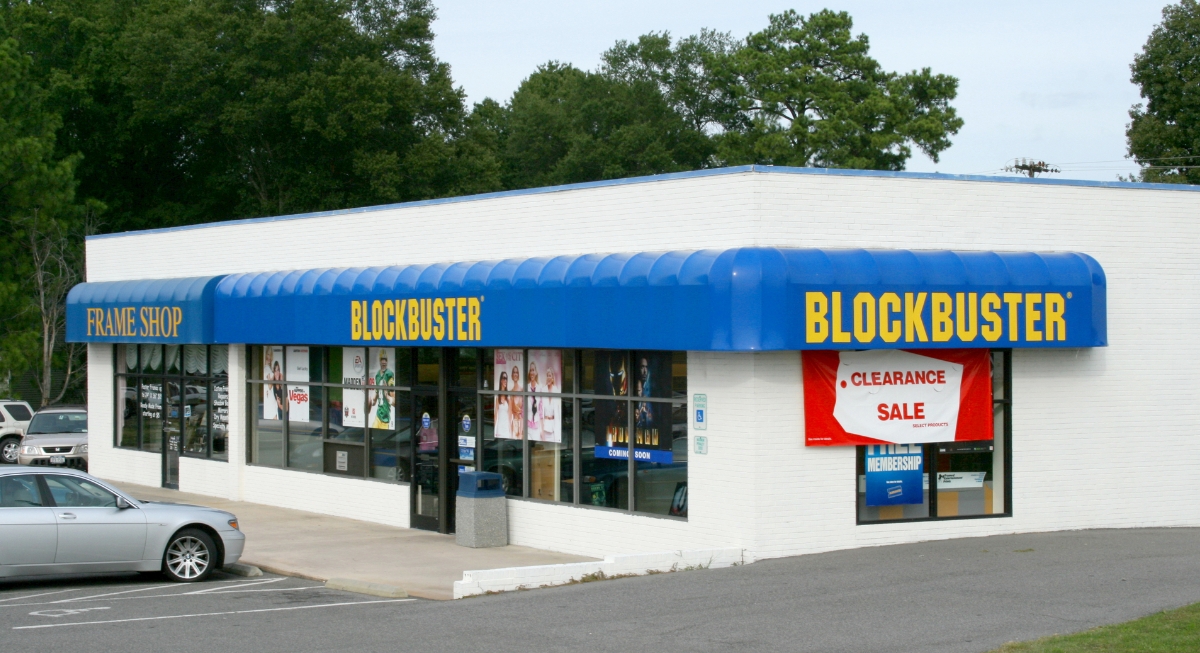
Blockbuster
Credit: Wikimedia Commons
Blockbuster’s shelves were packed with VHS tapes that had to be rented in person. The system made timing important since new releases could be completely checked out by the weekend. The chain has almost entirely vanished, with only one store still operating in Bend, Oregon, as a tourist stop.
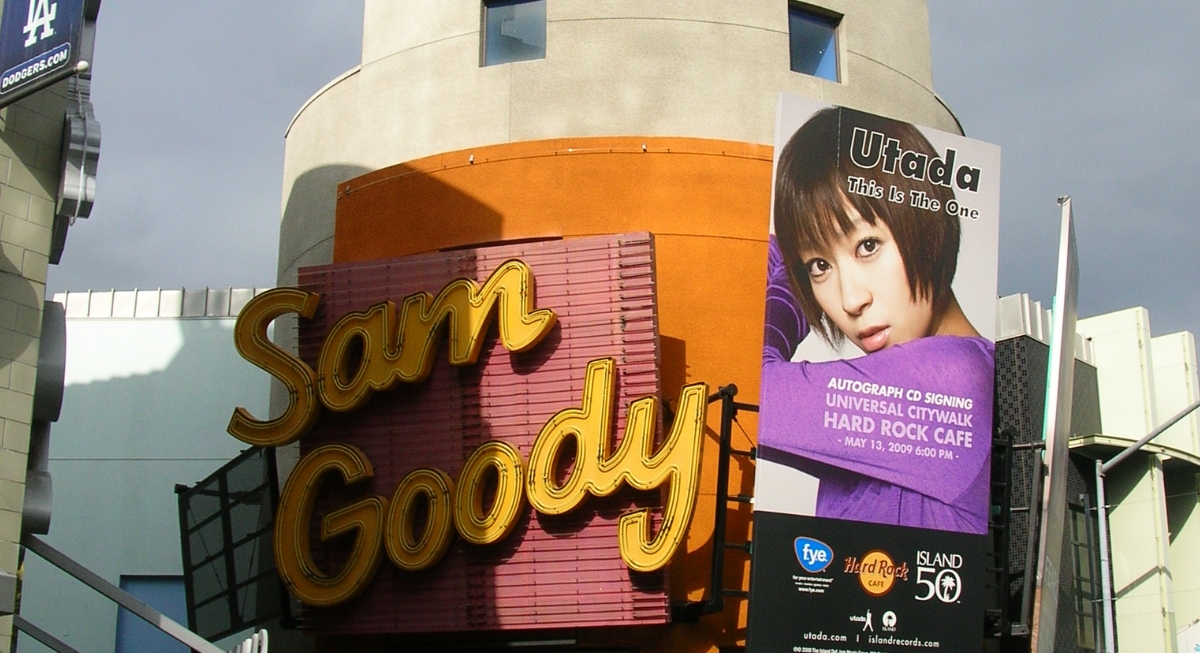
Sam Goody
Credit: Wikimedia Commons
Music shopping meant standing in a store flipping through CDs, and Sam Goody handled about 7% of all U.S. record sales at its peak. Listening stations let customers preview albums before buying, which shaped how people discovered artists. Many teens bought major albums there.
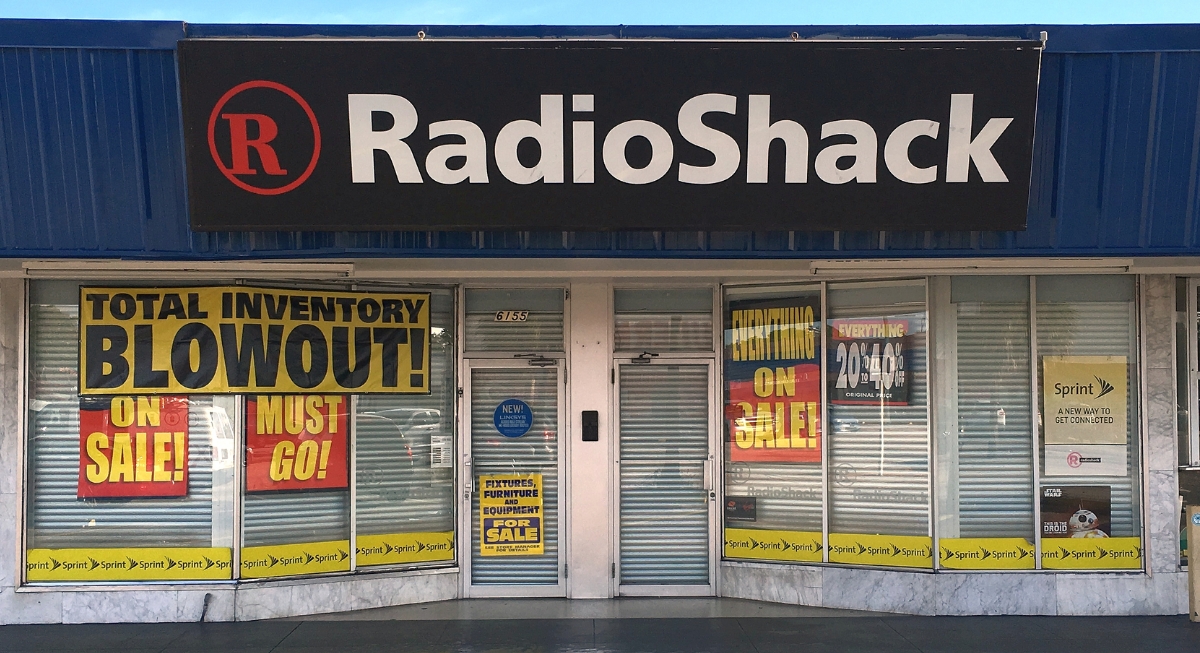
RadioShack
Credit: Wikimedia Commons
Electronics were once picked up at neighborhood RadioShack locations that stocked everything from wires to landline phones. The brand had a presence in nearly every community across the United States. After filing for bankruptcy in 2017, only a few locations remained.
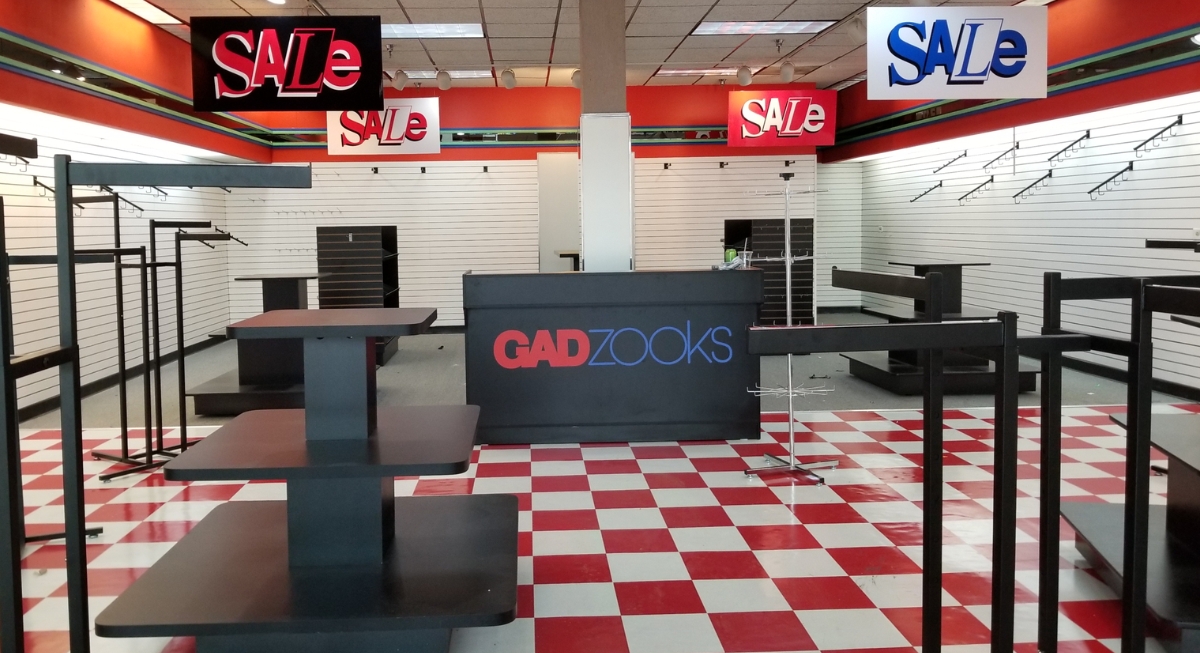
Gadzooks
Credit: Wikimedia Commons
Anyone wearing JNCO jeans or following bands like Korn likely spent time inside Gadzooks. The store focused on alternative fashion that reflected the late decade’s music culture. It eventually disappeared after being acquired in 2005, which ended its run in malls across the country.
Limited Too
Credit: Reddit
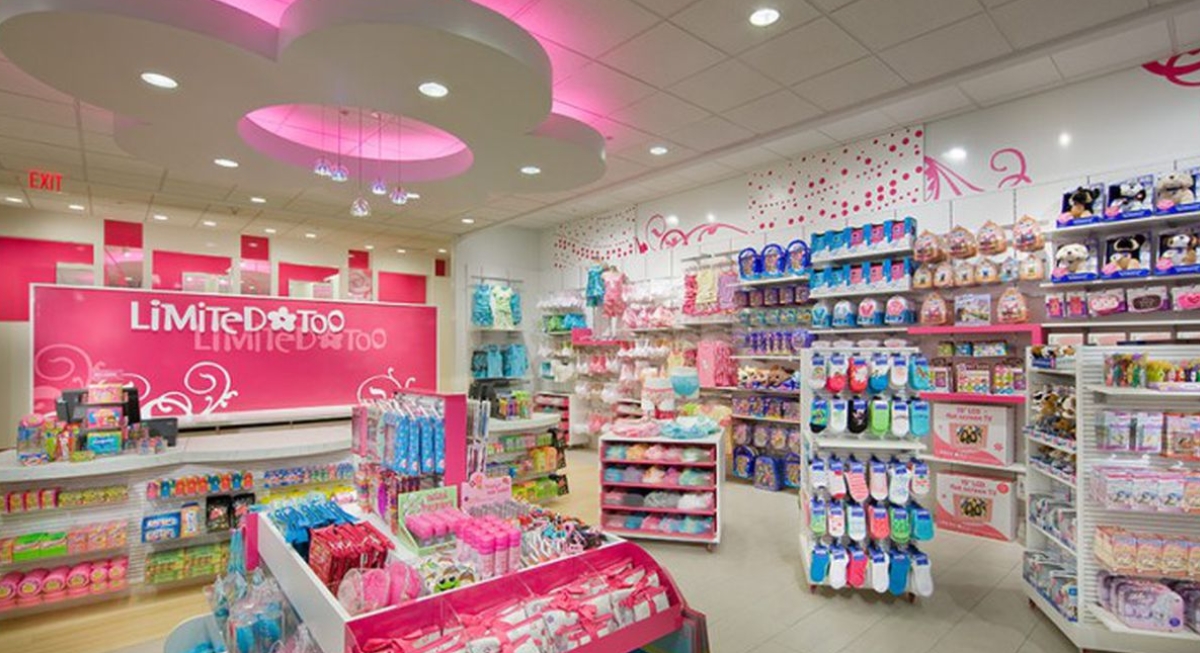
Limited Too was a store built for tweens who wanted trendy mall fashion. Many locations were converted into Justice stores in 2005, although the brand later announced a return in 2016. Clear backpacks and inflatable furniture helped define its look during the ‘90s.
Wet Seal
Credit: Wikimedia Commons
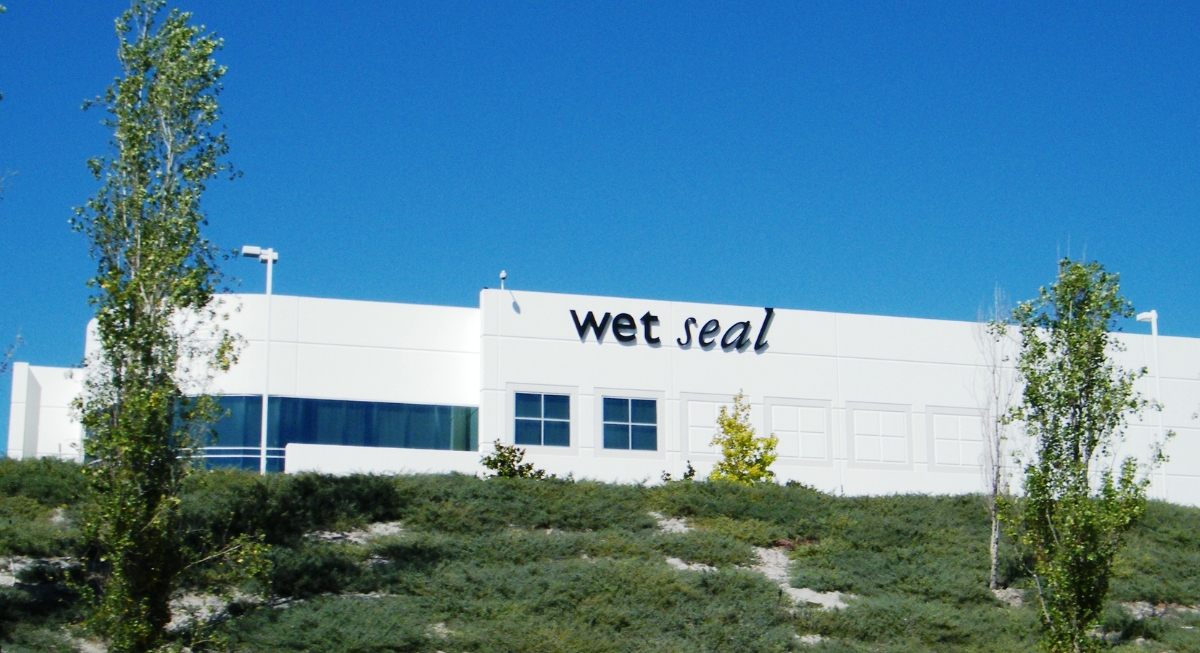
Wet Seal’s large-scale closures showed how quickly mall fashion chains could disappear once shopping habits changed. The chain’s fashion ranged from casual outfits to styles inspired by ’90s teen shows set in California. It appealed to both younger shoppers and college students looking for quick weekend outfits.
Circuit City
Credit: Wikimedia Commons
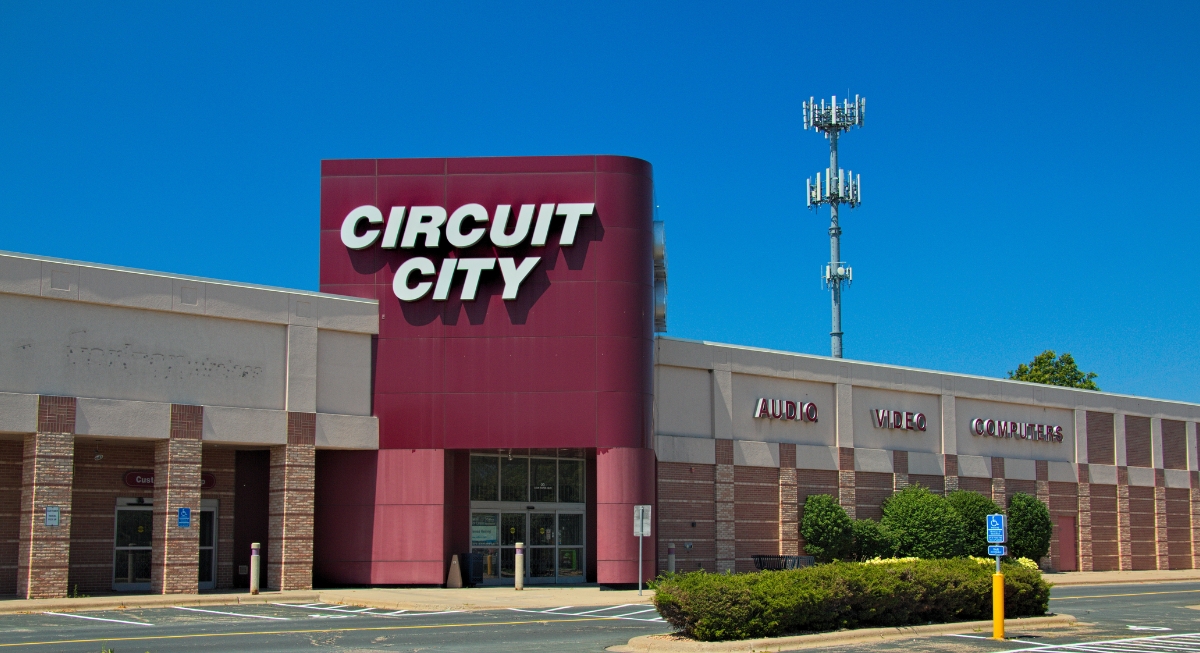
Electronics shopping once meant walking through Circuit City with a parent in search of cables or home equipment. Stores carried a wide selection of consumer tech during a time when home electronics were rapidly expanding. The chain later filed for bankruptcy as competition and changing buying habits reshaped the electronics retail market.
Borders
Credit: Wikimedia Commons
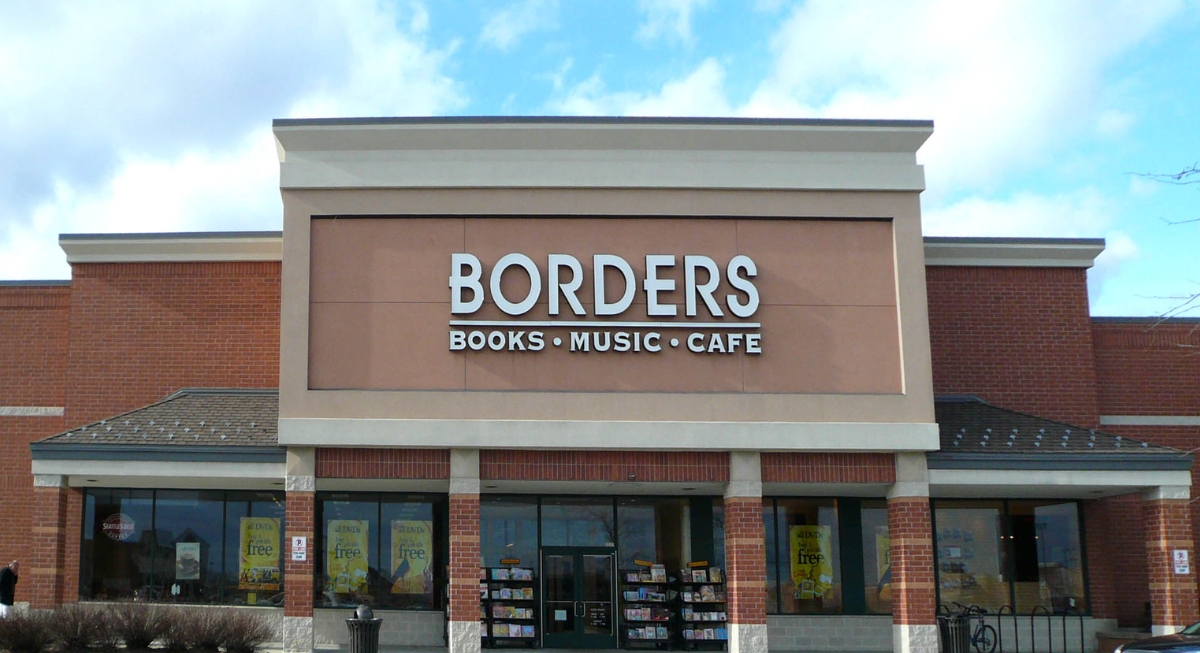
Another store that shut down due to bankruptcy is Borders, but this time it was because online retailers like Amazon were taking a large share of book sales. It became a regular hangout where teens browsed books without always buying anything. The store’s size and layout encouraged long visits that felt more like social time than shopping.