10 90s Mall Food Court Staples That Vanished Without an Obituary
The 1990s mall food court was a unique mix of quick bites and casual indulgence. It was rarely about full meals, but people still ended up with something greasy, sweet, or heavily processed within minutes of arriving.
Many of the most recognizable vendors from that era simply faded out as food courts were redesigned, rebranded, and replaced with newer chains and updated concepts.
Hot Sam Pretzels
Credit: Reddit
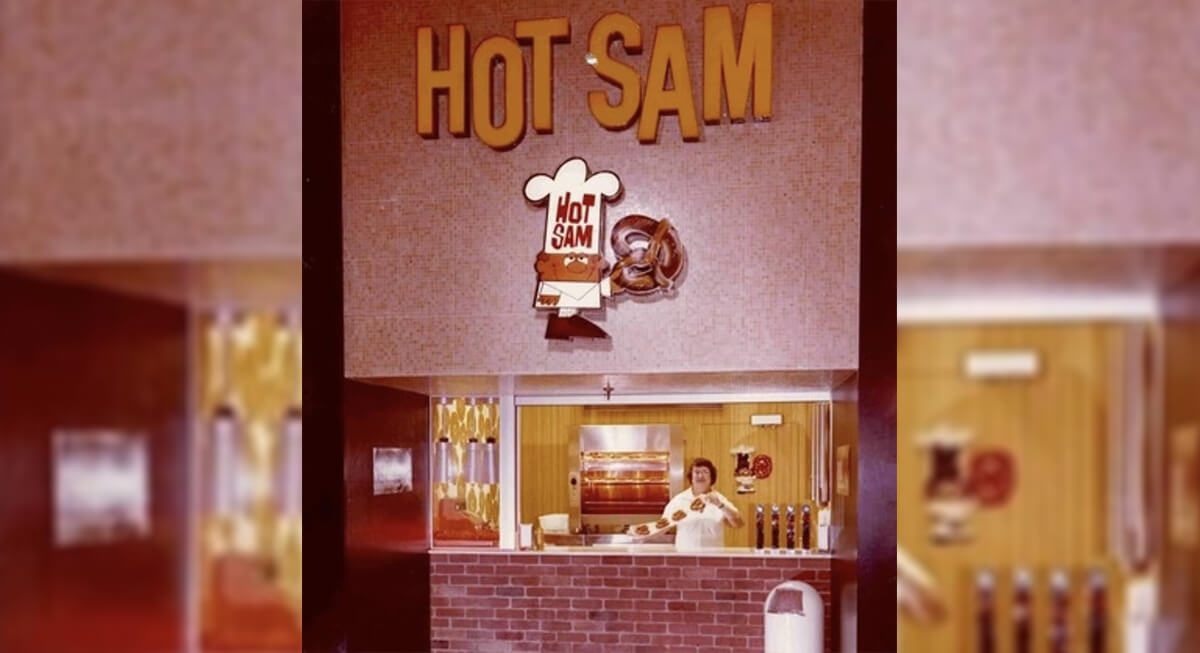
Hot Sam Pretzels opened at Livonia Mall near Detroit in 1966 and quickly became a favorite stop for shoppers across America. The menu was straightforward: warm dough, salt, and maybe some cheese dip for a special treat. Mrs. Fields bought the business in 1995, and the Hot Sam name eventually vanished after a merger with Pretzel Time.
Orange Julius
Credit: Wikimedia Commons
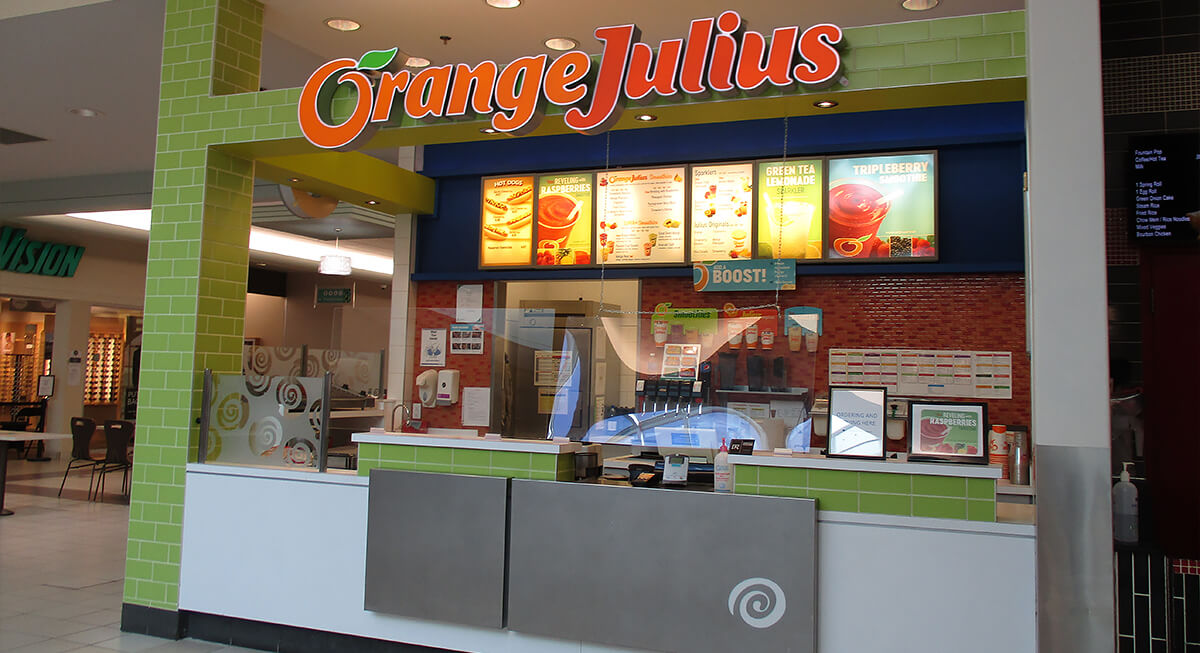
The Orange Julius counter always looked like it was selling a secret recipe. The drink originated in Los Angeles in 1926, when Bill Hamlin helped create a frothy orange blend that did not upset his stomach. While Bill helped refine the drink, Julius Freed was the company’s founder. However, Dairy Queen bought the company in the late 1980s, changing the brand’s look in shopping malls.
Karmelkorn
Credit: Reddit
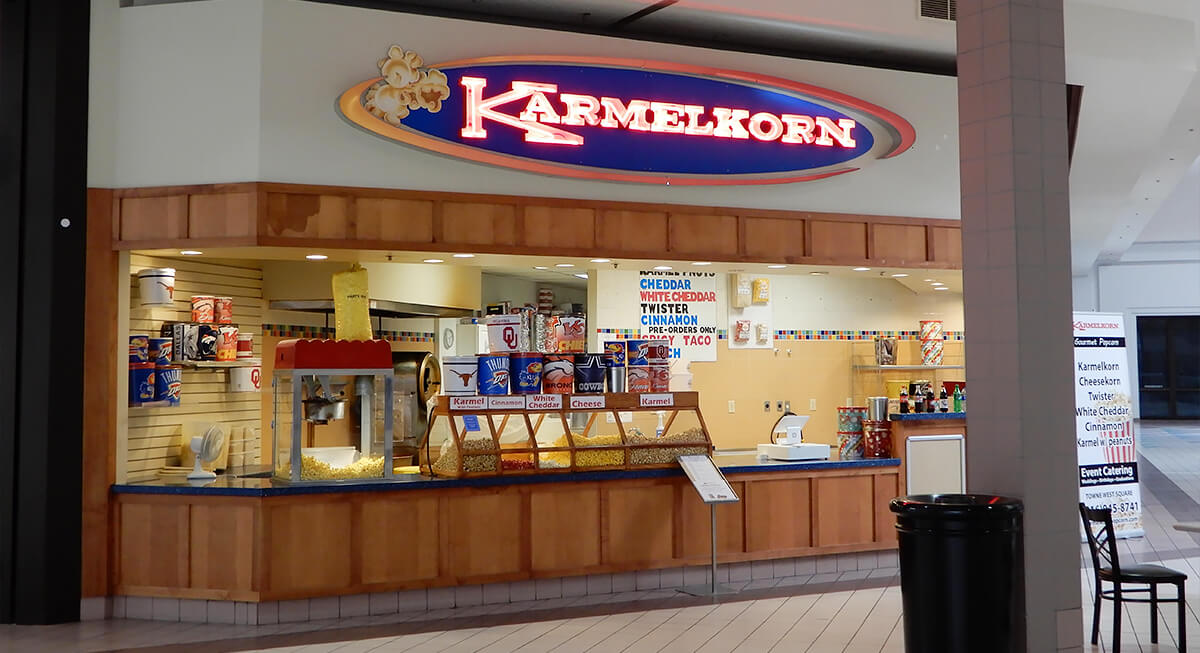
Shoppers rarely went to the mall just to buy caramel popcorn. Karmelkorn solved that problem by having a stronger smell than any store in the area. The brand started in Casper, Wyoming, in 1928, shortly before the Great Depression, and soon became a regular sight in shopping malls. Dairy Queen bought the company in 1986 and often put it right next to Orange Julius. The classic combination has disappeared, but people still remember it.
Kenny Rogers Roasters
Credit: Wikimedia Commons
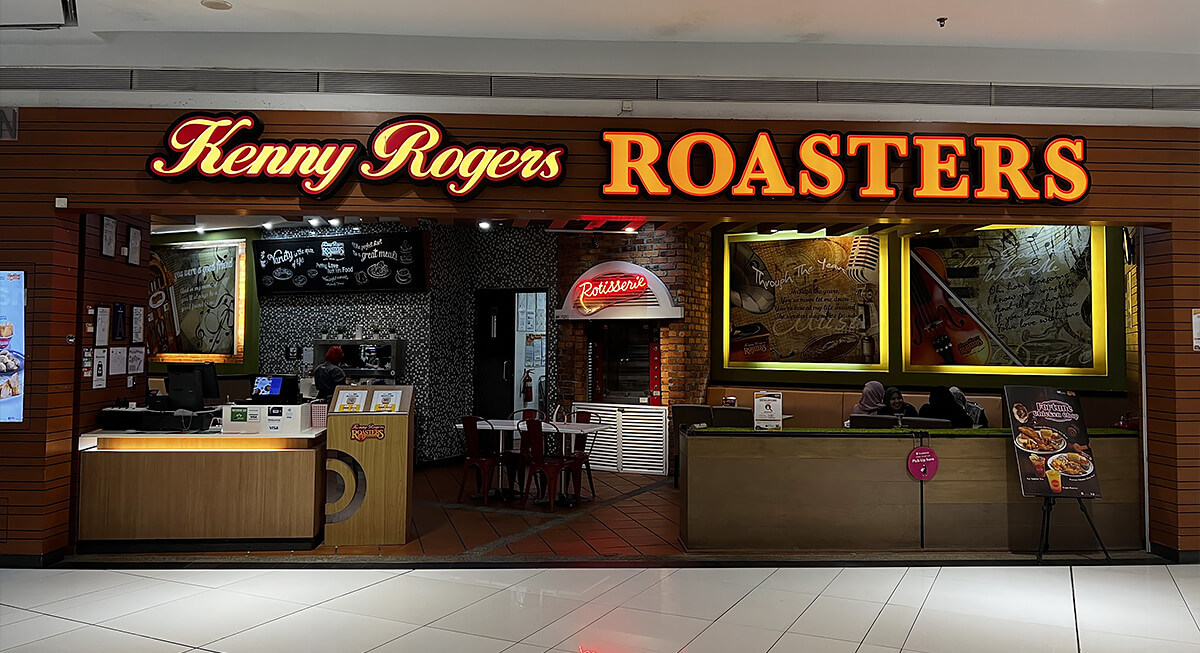
Kenny Rogers is a famous singer who, in 1991, started a rotisserie chicken chain with John Y. Brown Jr., a former KFC leader and Kentucky governor. The idea was to offer a healthier fast-food choice. The business grew fast but ran out of money and went bankrupt in 1998. The final U.S. restaurant shut down in 2011, even though the brand stayed alive in other countries.
Arthur Treacher’s Fish & Chips
Credit: Wikimedia Commons
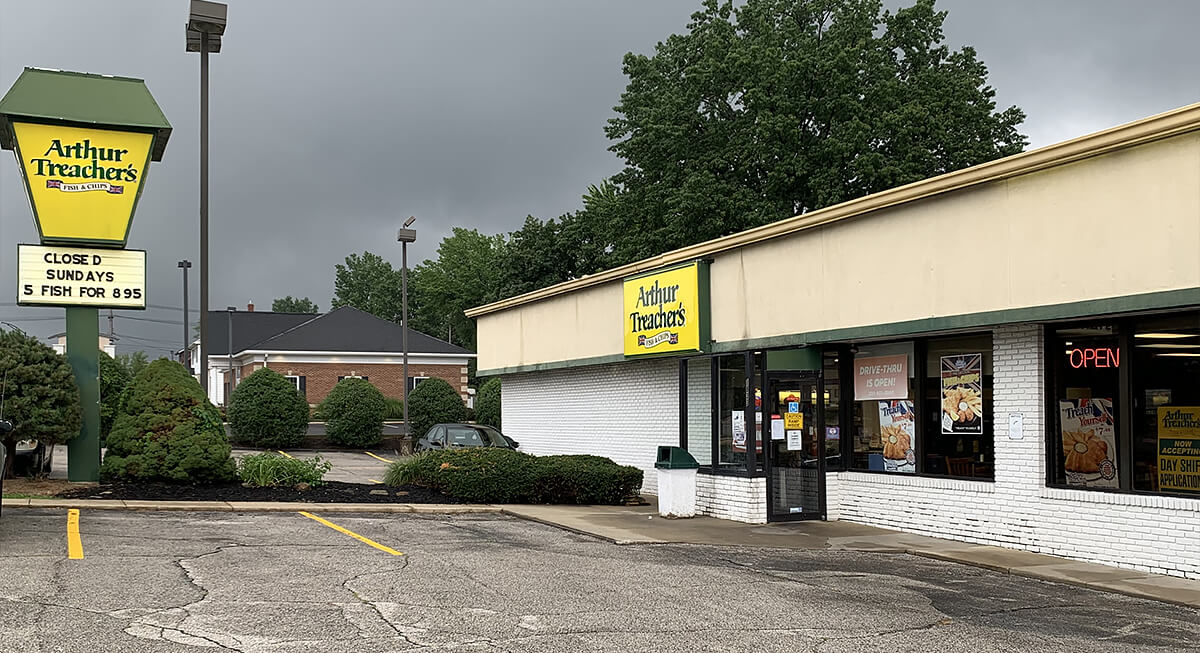
Selling fried fish in a shopping mall should have been difficult. Arthur Treacher’s Fish & Chips made it work anyway, right next to shoe stores and jewelry stands. The fast-food chain started in Columbus, Ohio, in 1969, and soon grew to hundreds of locations. Over time, changes in ownership and fewer stores led to the brand disappearing from most places. A few locations in Ohio keep the brand alive today.
TCBY
Credit: Wikimedia Commons
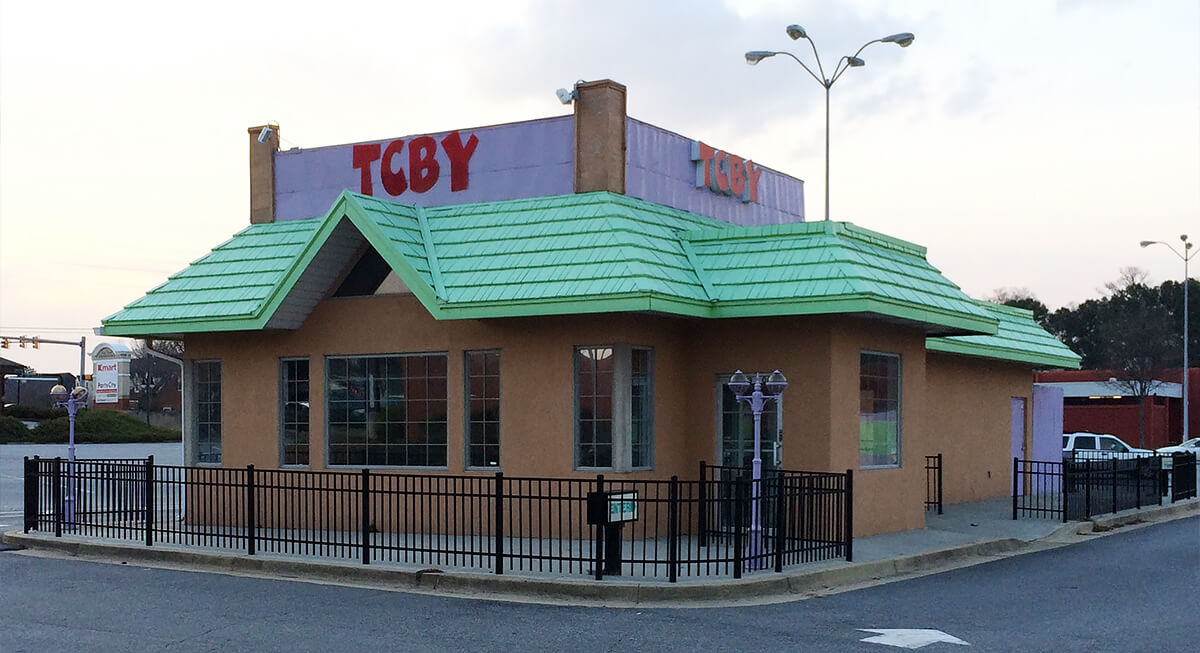
TCBY made dessert sound healthy in the 1990s. The Country’s Best Yogurt started in Little Rock, Arkansas, in 1981 and grew during the frozen yogurt craze, eventually opening nearly 3,000 locations worldwide. Buying a cup of frozen yogurt felt like a smart choice until people piled on chocolate and candy toppings. TCBY is still open today, but it has closed most of its famous mall locations and has a much smaller presence in the U.S.
Blimpie
Credit: Wikimedia Commons
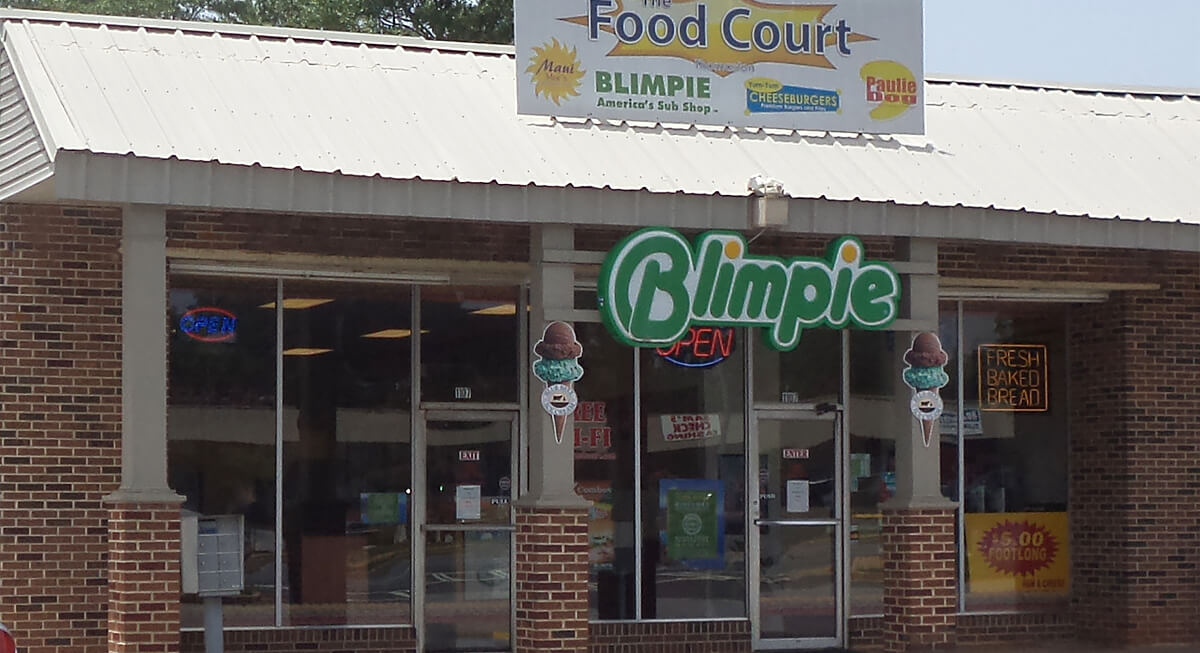
Blimpie picked a very tough competitor when it faced Subway. The sandwich shop opened in Hoboken, New Jersey, in 1964, just one year before Subway started. At its highest point, Blimpie grew to over 1,000 locations, and it was common to see one in mall food courts. Eventually, the sandwich business became much more competitive, and Blimpie lost most of its stores.
Roy Rogers
Credit: Wikimedia Commons
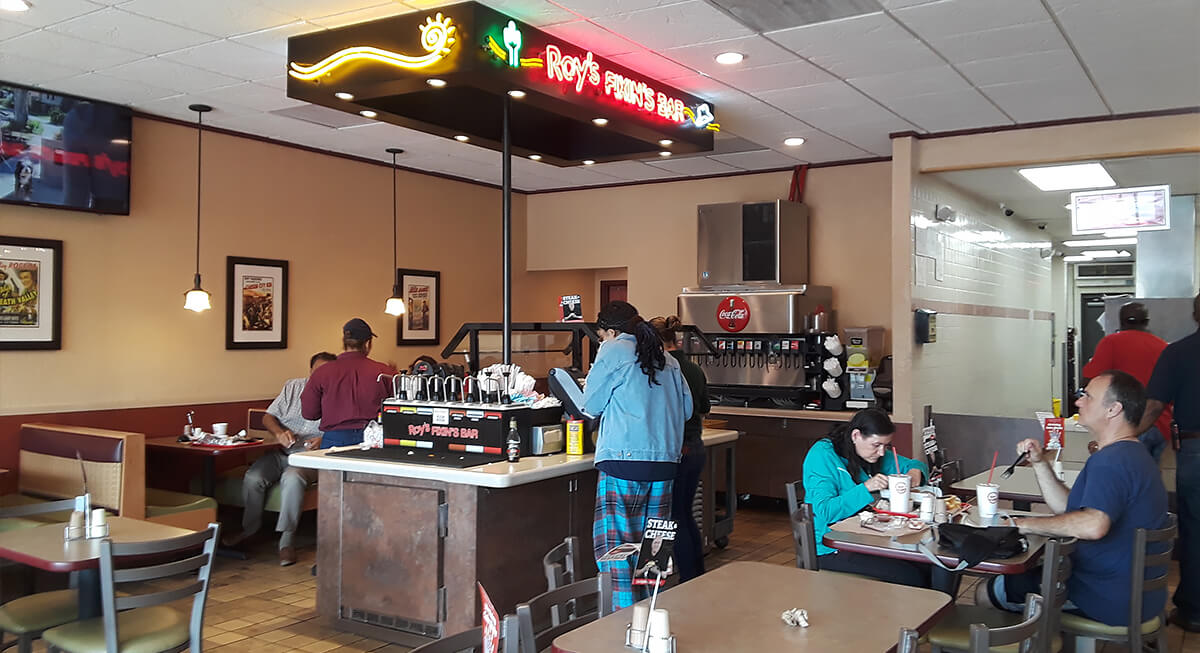
The Fixin’s Bar gave Roy Rogers a lot more personality than typical food-court spots. The menu offered roast beef, fried chicken, and burgers all in one Western-themed space. The chain grew to 648 locations before Marriott sold it to Hardee’s in 1990. Hardee’s turned many of the buildings into their own restaurants or sold them to other brands. Roy Rogers later made a small comeback, but the classic mall version is gone.
Bresler’s 33 Flavors
Credit: Food Republic
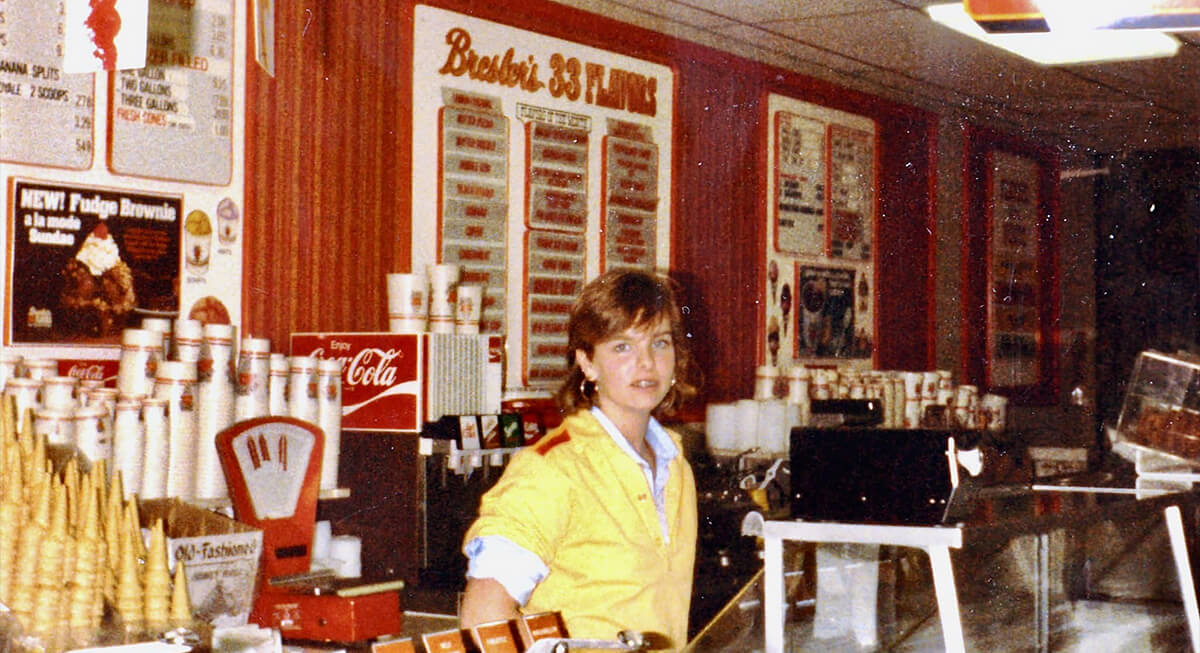
Picking an ice cream flavor at Bresler’s 33 Flavors felt like a huge test for kids. The business started in 1927 and grew to over 300 shops, serving ice cream cones and banana splits. Oberweis Dairy bought the company in 1987, and the shops started focusing more on frozen yogurt. Later, a company named CoolBrands changed the name of the remaining stores.
Sbarro
Credit: Wikimedia Commons
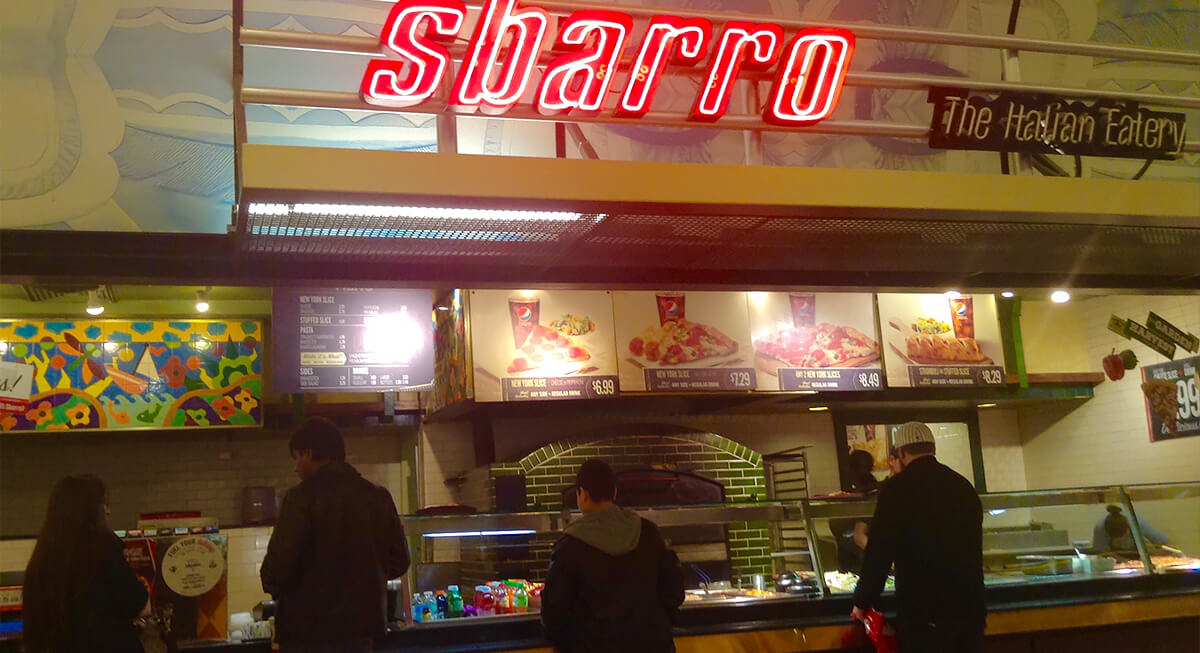
Sbarro is still around today, even if it is harder to find. The family business started as a small Brooklyn grocery store in 1956, and it opened its first mall pizza shop in 1970. Later, fewer people went to malls, forcing Sbarro to close 155 North American locations in 2014 as part of a wider restructuring. You can still buy the pizza, but it is no longer guaranteed to be at your local mall.