10 Things ’90s Kids Did That Were Surprisingly Expensive
Growing up in the ‘90s meant most kids never paused to think about what anything cost. Only later did it become clear that some everyday habits were actually pretty pricey. The things that felt completely normal back then often meant someone at home was stretching the budget more than we knew. Extra consoles, cable channels, or brand-name gadgets weren’t universal; they were small clues about which households had a little more room to spend.
Here’s a look at the things that quietly set the bigger budgets apart.
Owning More Than One Game Console

Credit: Canva
Having a Sega, PlayStation, or Nintendo 64 was impressive. Some kids had a Game Boy and a home console, often with shelves full of games. For everyone else, gaming meant used cartridges or hand-me-down systems. That is, if you were lucky enough to have one at all.
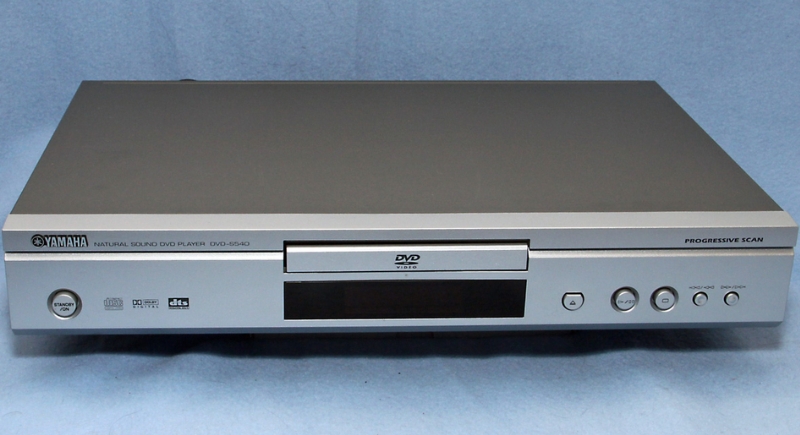
DVD Players The Year They Dropped
Credit: Wikimedia Commons
When DVDs first hit stores, they were far from mainstream. Early adopters paid upwards of $400 just for the machine, not counting $25–$35 per movie. Seeing someone’s DVD collection back then often meant they had a TV setup that belonged in a catalog.
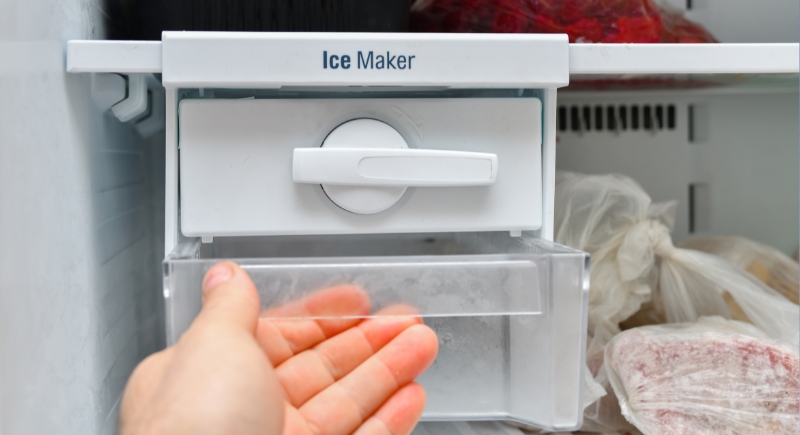
Fridges That Made Ice for You
Credit: Canva
Before water dispensers and auto-ice trays were common, fridges with built-in ice makers were a novelty. Kids who got ice from the door instead of cracking it from a plastic tray might as well have had a soda fountain in the kitchen. It felt like something out of a hotel.
High-Cost Sneakers

Credit: pexels
Nike Air Jordans, Reebok Pumps, and other high-priced shoes were financial flexes. Some stores wouldn’t even leave both shoes out to prevent theft. The kids wearing them to school were definitely shopping in a different bracket.
Tuckshop Lunch Every Day

Credit: pixelshot
Bringing coins to school for snacks from the canteen or ordering lunches in brown paper bags wasn’t a daily thing for most kids. A kid who had enough for five days a week was clearly backed by deep snack funding and possibly a second fridge full of soft drinks at home.
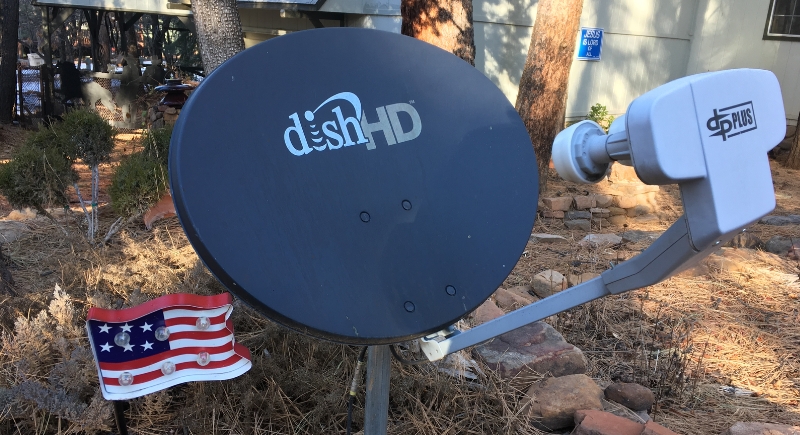
Foxtel, Austar, or Satellite TV
Credit: Wikimedia Commons
Having satellite TV meant monthly bills well above regular antenna service before streaming and budget plans. Dedicated cartoon channels, MTV, or the wrestling channel weren’t universal perks either. That setup usually pointed to a living room where entertainment spending was a bit less restricted.
Imported School Stationery

Credit: pixelshot
A full tin of Derwent pencils was more than just artistic ambition. Add glitter pens, scented markers, or imported stationery from the book club, and it started to look like someone had a school supplies budget that ran far past back-to-school season.
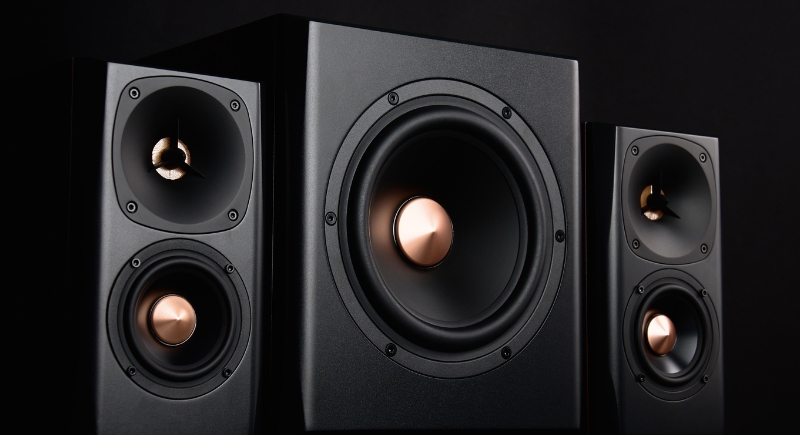
Big Stereo Towers and Surround Sound
Credit: Canva
Big sound systems with dual tape decks, CD changers, and more speakers than necessary weren’t basic equipment. They were often a centerpiece of the living room, flanked by music collections and flashing lights. Watching movies with surround sound in a house like that made a basic TV feel prehistoric.
Refrigerators That Had a Snack Drawer

Credit: Wikimedia Commons
Some kids opened the fridge and found a drawer full of brand-name yogurts, puddings, or single-serve juice boxes. There was no sharing or tallying required. Having a separate drawer just for snacks suggested grocery hauls that didn’t involve strict item limits or bargain brands.
Taking Annual Overseas Holidays

Credit: Getty Images
Flying internationally was a huge deal before budget airlines reshaped the market. If a classmate spent school holidays in the U.S., returned with branded clothes, or casually mentioned going to Disneyland, it felt like they were living in a parallel universe.