10 Nostalgic ’90s After-School Routines That Defined the Latchkey Generation
Coming home in the ’90s came with a mix of freedom and responsibility. The house was often empty, and the rules were simple without constant supervision or digital distractions. These circumstances shaped how kids solved problems and passed the time before dinner. Looking back, those hours reveal a version of childhood that feels distant but oddly familiar.
Letting Yourself In With A House Key

Credit: Canva
The front door rarely opened to a waiting adult. Instead, kids fished a key out of a backpack or off a string necklace and stepped into an empty house. It marked the start of a few hours of unsupervised time during which decisions, good or questionable, were entirely in the hands of the kids.
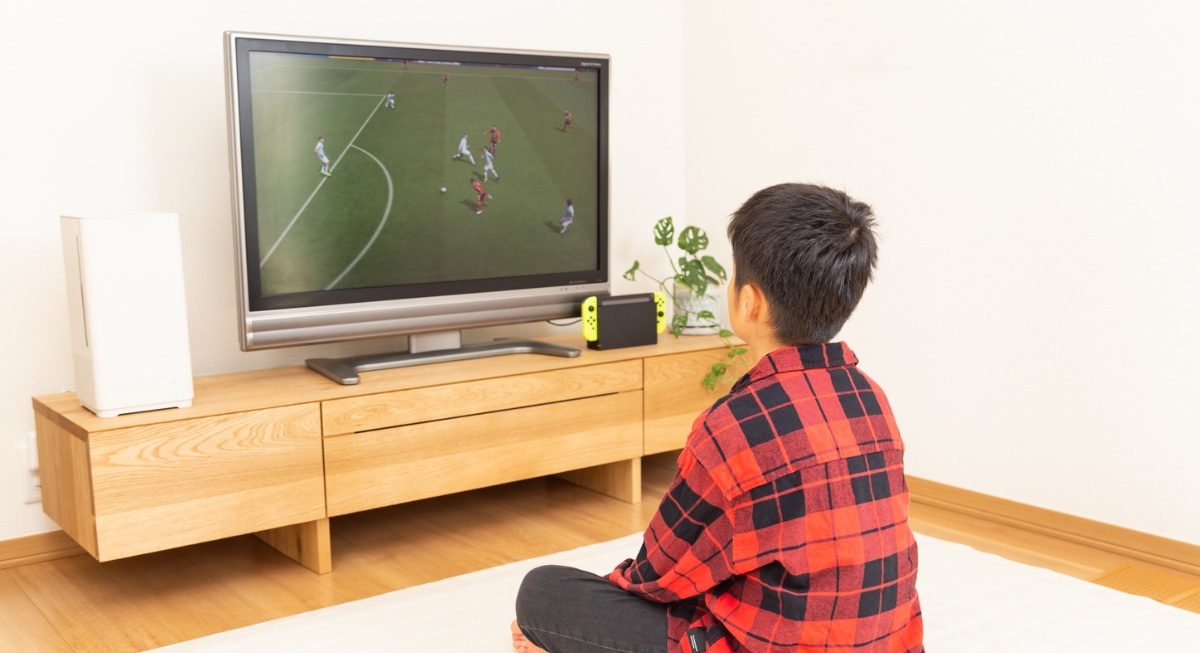
Heading Straight For The TV Before Anything Else
Credit: Canva
Afternoons were tied to reruns of shows like Saved by the Bell or cartoons already halfway through their episodes. There was no pausing or rewinding, so timing mattered. Homework sat untouched during this window.
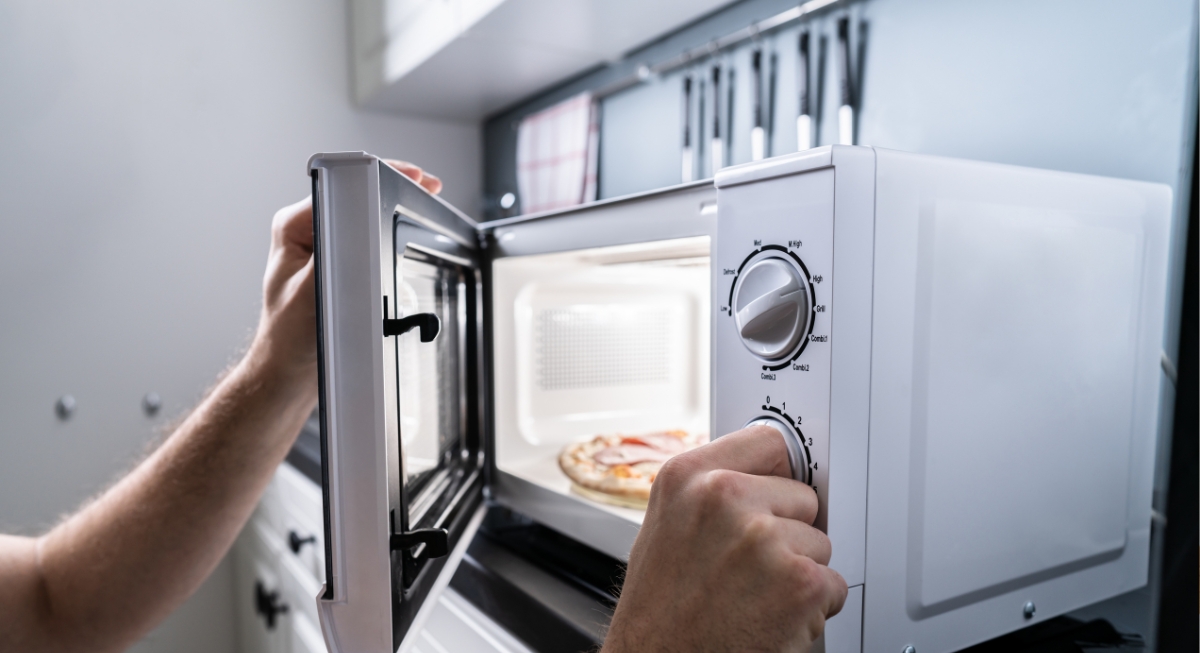
Making Questionable Snacks That Somehow Counted As Dinner
Credit: Getty Images
The kitchen became a testing ground. Without much guidance, kids pieced together meals using whatever felt easy or allowed. Microwave experiments were common, sometimes successful, sometimes not. Hot Pockets, instant noodles, or odd combinations like buttered bread with sugar filled the gap.
Calling A Parent To Check In, Then Hanging Up Fast

Credit: pixabay
A quick phone call served as proof of arrival. Instructions were usually short and familiar: lock the door, start chores, stay inside. After that, the line went quiet again. There was no texting or follow-up messages. The single call carried all the communication needed until evening.
Watching TV Shows You Weren’t Supposed To See

Credit: Canva
Unsupervised time opened the door to content that would not have been allowed otherwise. Kids flipped through channels out of curiosity and landed on shows meant for older audiences. Volumes remained low, and attention stayed sharp for any sign of a parent returning early. The risk added a layer of excitement.
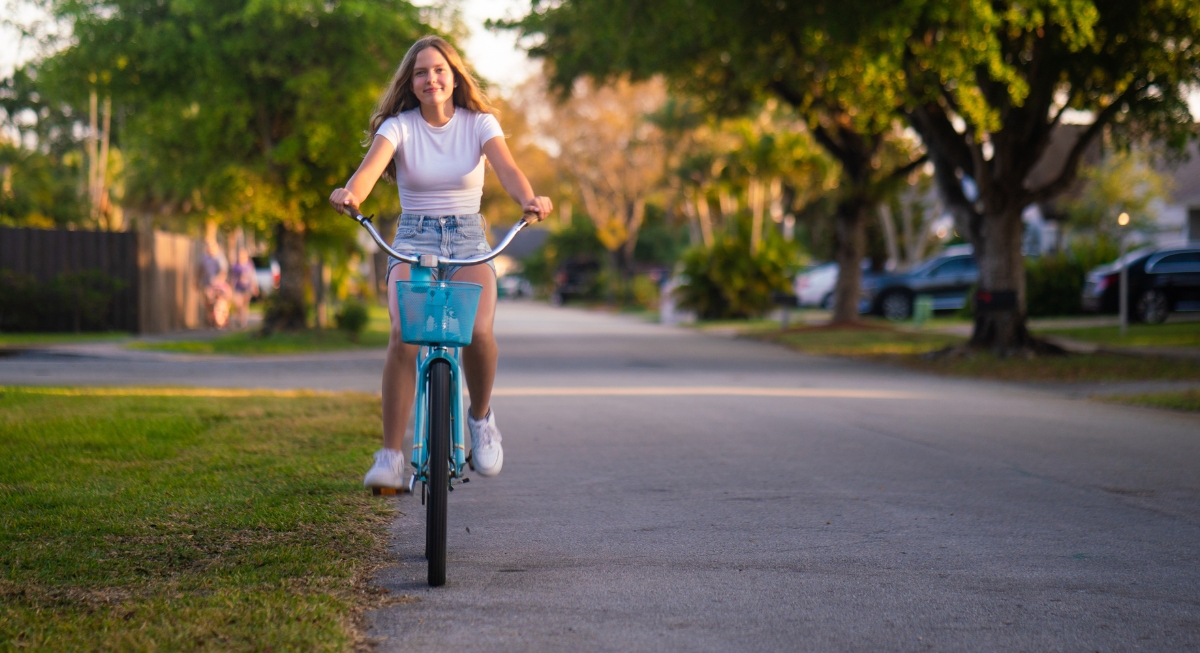
Roaming The Neighborhood Until Hunger Hit
Credit: Getty Images
Many afternoons didn’t stay indoors for long. Bikes, sidewalks, and nearby stores became extensions of home. Kids moved freely through neighborhoods without checking in, stopping wherever something interesting appeared. Time wasn’t tracked closely. The only real signal to head back came from hunger or fading daylight.
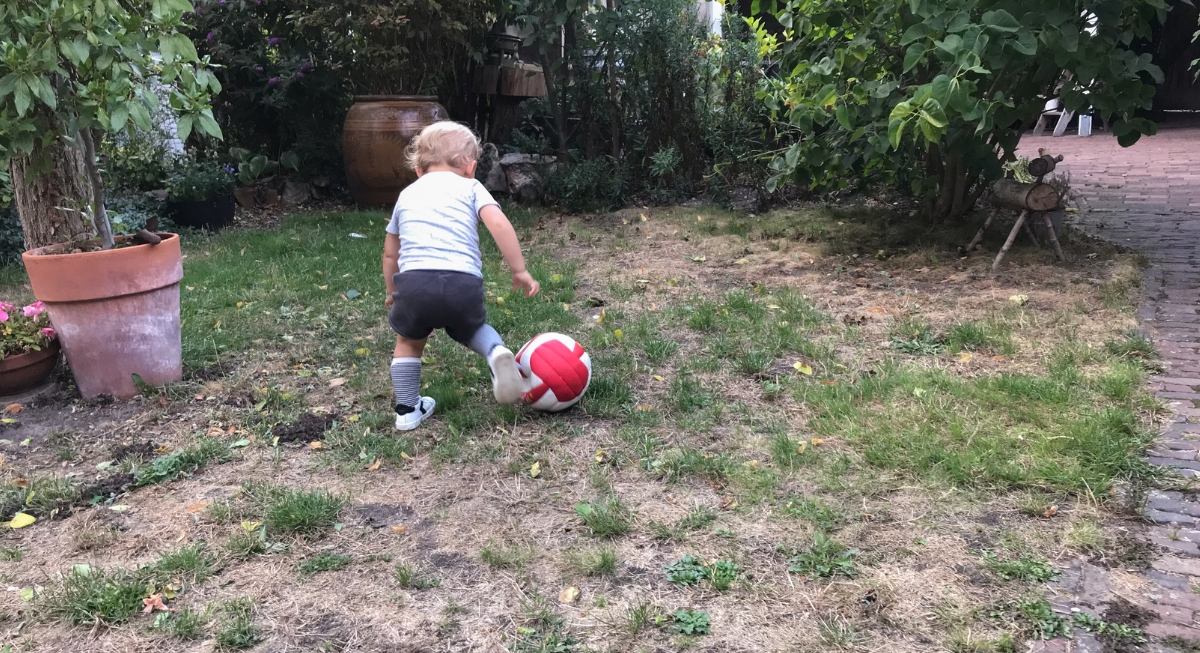
Playing Games That Required Almost Nothing
Credit: Getty Images
A balloon, a ball, or even furniture could turn into a game. The rules were simple and made up on the spot. Keeping something off the ground or bouncing it against a wall could stretch on for an hour. These games were easy to start and hard to stop.
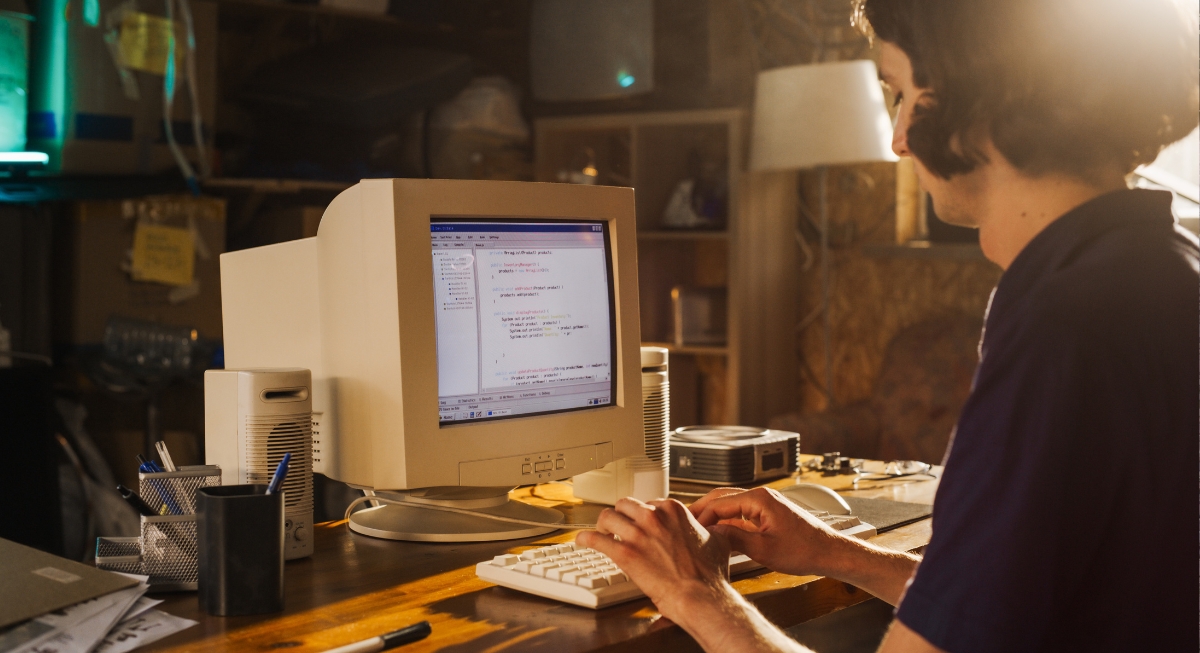
Sneaking Onto The Family Computer For Early Internet Time
Credit: iStockphoto
Computers were a magnet for curiosity. Dial-up connections took patience, and time online felt limited and valuable. Kids explored chat rooms or fan pages with little understanding of what they were stepping into. That early internet access introduced a new kind of independence.
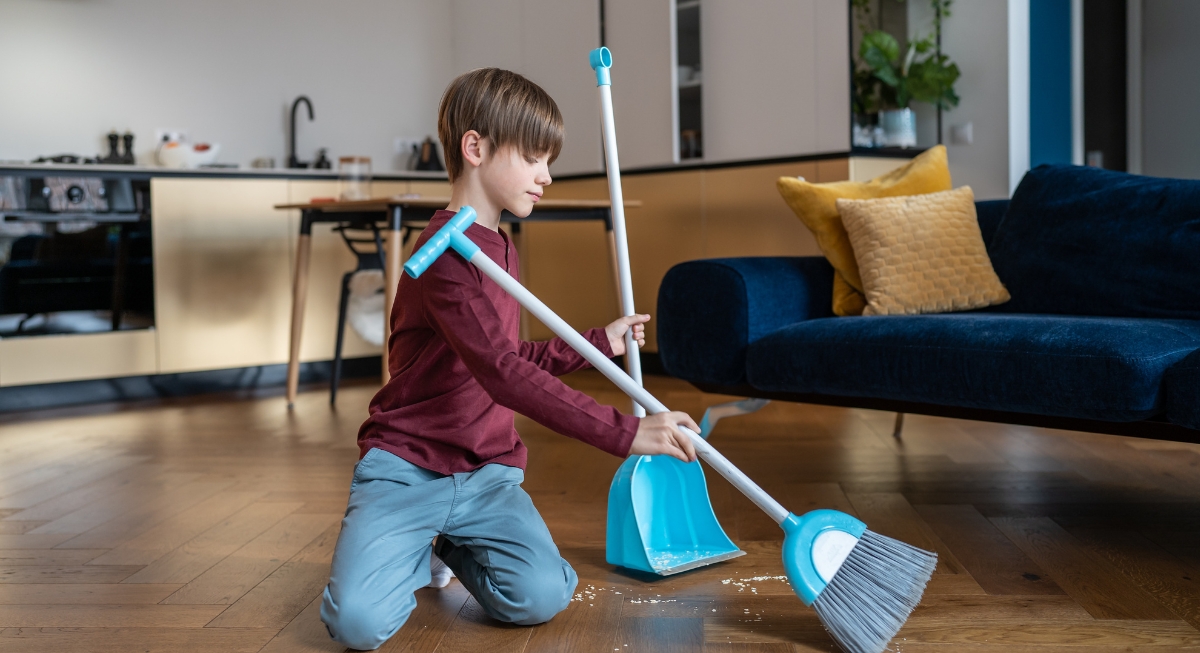
Doing Chores Without Much Supervision
Credit: Canva
Notes left on counters or envelopes listed what needed to be done. Washing dishes, cleaning rooms, or starting dinner was part of the routine. These tasks weren’t always done well, but they were expected. Without someone watching closely, kids figured out their own pace and shortcuts.
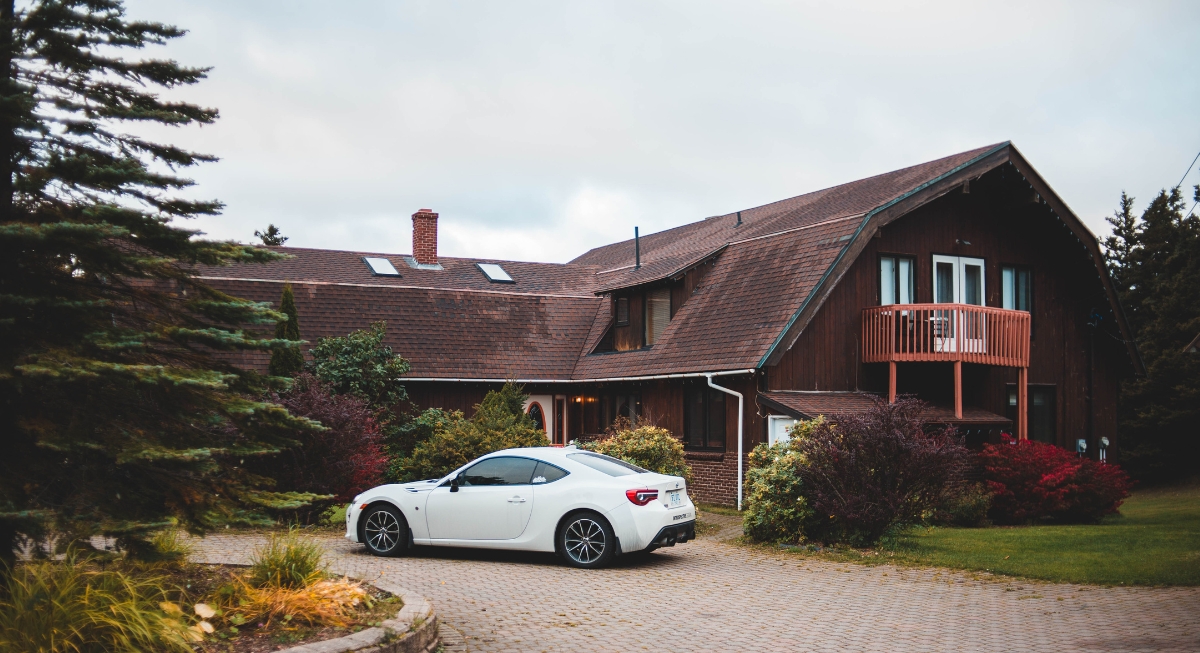
Waiting For The Sound Of A Car In The Driveway
Credit: pexels
The sound of a car pulling up signaled the end of that independent stretch. It often triggered a quick cleanup or a return to whatever looked productive. That moment closed the routine each day.