9 Common Household Items That Are Linked to Cancer Risks
Cancer risk rarely comes from a single dramatic exposure. More often, it builds gradually through repeated contact with everyday materials. Our homes are designed for comfort and convenience, but some modern products bring low-level chemical exposure that can accumulate over time.
This does not mean your home is unsafe, nor is it a reason to panic. It does mean that awareness matters. For decades, scientists and public health researchers have investigated the effects of long-term exposure to specific substances on the human body. In some cases, these substances are found in items people use daily without giving it a second thought.
The following highlights potential risks associated with frequent or prolonged exposure. Cancer risk is influenced by several factors, including genetics and lifestyle. Knowing where these risks may exist helps people make informed choices when possible.
Gas Stoves Without Proper Ventilation

Image via Pexels/Curtis Adams
Gas stoves release nitrogen dioxide and small amounts of benzene during use. Benzene is a known carcinogen, and indoor exposure is particularly concerning in kitchens with inadequate airflow.
Studies have shown that poorly ventilated gas stoves can raise indoor air pollution levels beyond outdoor standards. Using a range hood that vents outside or opening windows during cooking significantly reduces exposure.
Air Fresheners And Scented Candles
Many air fresheners and scented candles rely on synthetic fragrances and paraffin wax. When sprayed or burned, they can release volatile organic compounds such as benzene and toluene.
These compounds are associated with cancer risk after long-term inhalation. Indoor air quality often gets overlooked, yet it is one of the most consistent exposure pathways inside a home.
Plastic Food Containers When Heated
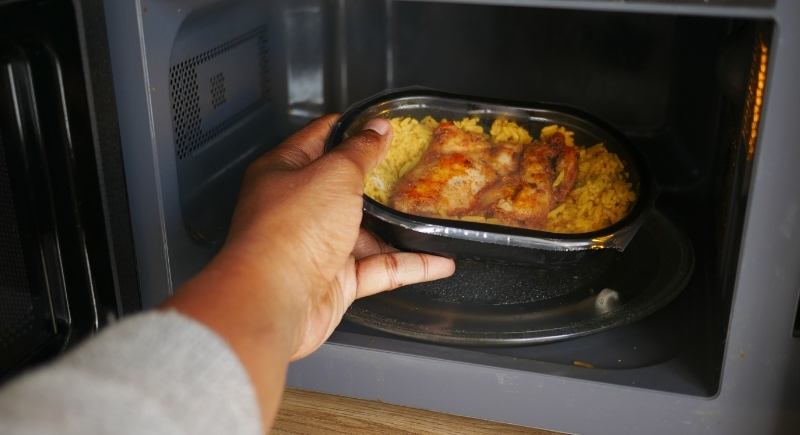
Image via Canva/towfiqu barbhuiya
Heating food in plastic containers can cause chemicals like BPA and phthalates to leach into meals. These compounds interfere with hormonal signaling, which is linked to certain cancers in long-term exposure studies.
Glass and stainless steel containers reduce this risk, especially for hot foods and microwaving.
Non-Stick Cookware That Is Old Or Damaged
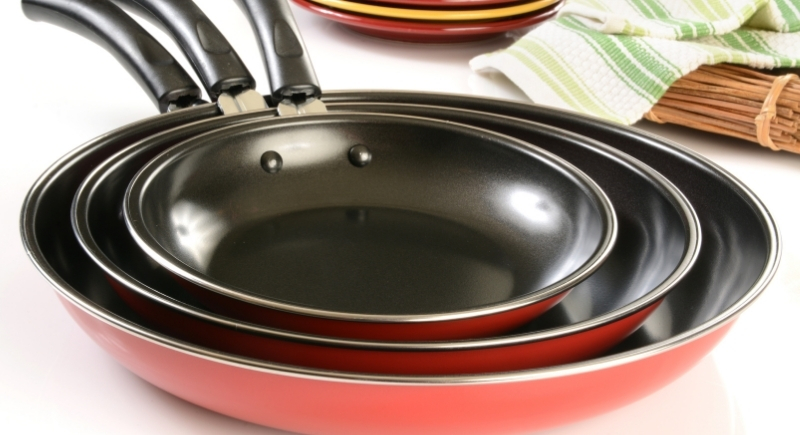
Image via Getty Images/MSPhotographic
Older non-stick cookware may contain PFAS chemicals, which are used to prevent sticking. When overheated or scratched, these coatings can release fumes and particles.
Some PFAS compounds have been associated with increased cancer risk in occupational and environmental studies. Modern cookware often avoids older formulations, but damaged pans still pose concerns.
Cleaning Products With Strong Solvents
Many household cleaners contain formaldehyde, ammonia, or other harsh solvents. Repeated inhalation in enclosed spaces has been linked to respiratory irritation and higher cancer risk in long-term studies.
Using ventilation and limiting frequent exposure helps lower the cumulative burden.
Pesticides And Bug Sprays
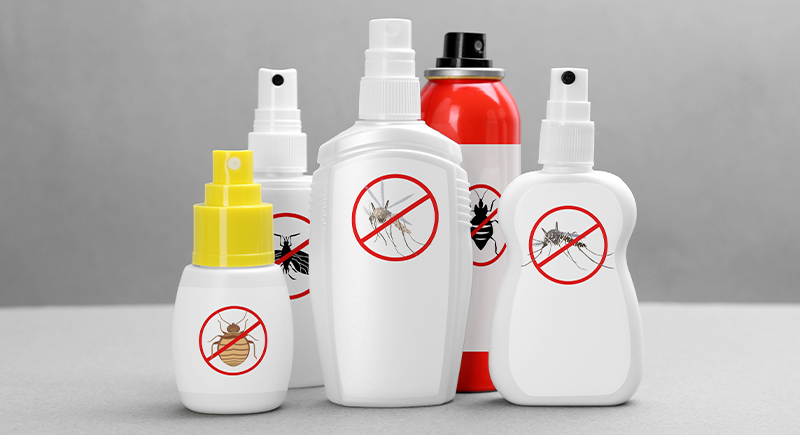
Image via iStockphoto/Liudmila Chernetska
Indoor and outdoor pesticides are designed to disrupt biological systems. Certain formulations have been associated with higher cancer rates among people exposed regularly over long periods.
Children face a higher risk because of closer contact with treated surfaces. Reducing indoor use and focusing on targeted applications lowers exposure.
Personal Care Products With Certain Preservatives
Some cosmetics and personal care products contain parabens or formaldehyde-releasing preservatives. These substances can be absorbed through the skin and are linked to hormone disruption.
Research continues to evolve, but repeated daily exposure remains an area of concern, especially with products used over many years.
Old Paint Dust And Insulation Materials

Image via iStockphoto/ImagineGolf
Homes built decades ago may contain lead-based paint or asbestos insulation. When disturbed, these materials release particles that are known carcinogens. Renovation and aging surfaces increase exposure risk. Professional removal and containment reduce health concerns.
Mold And Chronic Dampness
Persistent moisture allows mold to grow. Some molds produce mycotoxins that have been linked to cancer in long-term exposure studies. Beyond cancer risk, mold also affects respiratory and immune health. Fixing leaks and improving airflow helps prevent the buildup of debris.