10 One-Hit Wonders from the ’80s That Deserved Way More Than One Song
The one-hit wonder label makes the ’80s look way simpler than they really were. Plenty of artists landed one massive Billboard hit, but then went on to build careers that outlasted the chart moment. After helping shape entire industries, they either stayed huge outside the U.S. or reinvented themselves completely. The hit was not the full story.
Thomas Dolby

Credit: Wikimedia Commons
Before most people could explain what a ringtone even was, Thomas Dolby was already helping build the tech behind it. His 1982 hit, She Blinded Me With Science, reached No. 6, after which he pivoted hard into production and innovation. He worked with Joni Mitchell, played with Foreigner, founded Beatnik, and later taught at Johns Hopkins.
Soft Cell
Credit: Wikimedia Commons
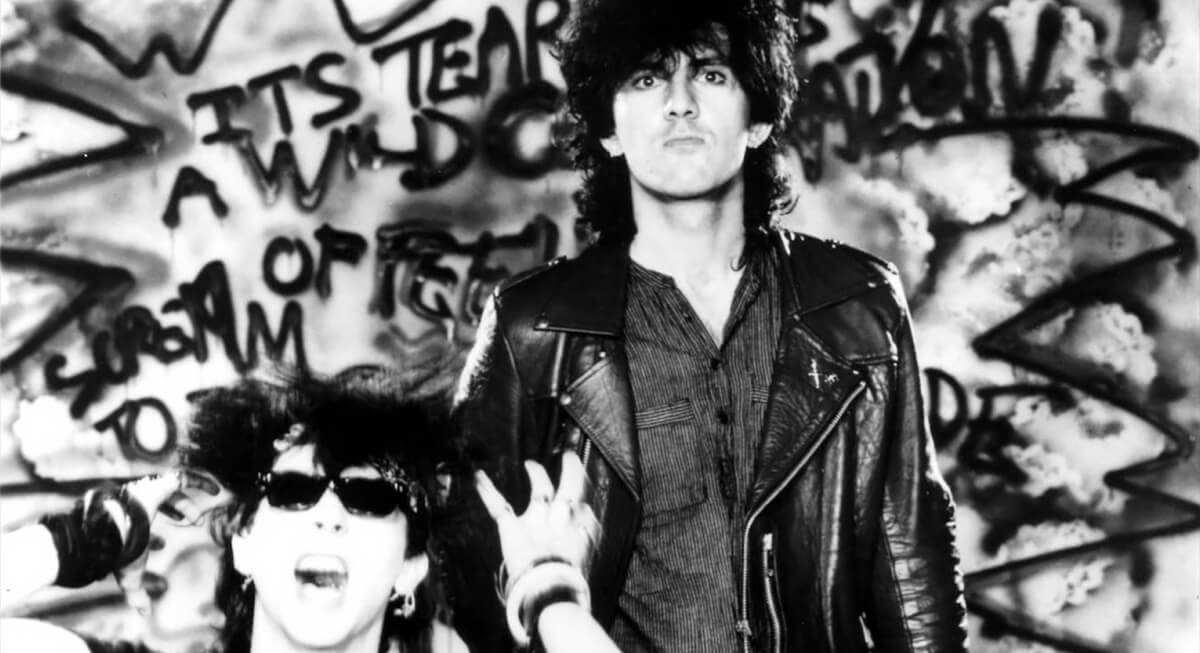
Soft Cell’s Tainted Love hit No. 1 in 17 countries, reached No. 8 in the U.S., and stayed on the Billboard Hot 100 for 43 straight weeks, which was a record at the time. Marc Almond then released 25 solo albums, while David Ball worked as a producer and remixer for major artists. In the U.K., Soft Cell had more hits, which makes their U.S. one-hit status feel especially misleading.
Devo

Credit: Wikipedia
Somehow, Devo only scored one Top 20 hit, even though their influence never really dipped. Whip It cracked the charts in 1980, and Mark Mothersbaugh later built a major screen-composer career that included Rugrats and Thor: Ragnarok. Meanwhile, Gerald Casale directed videos for acts such as the Foo Fighters. Devo still pops up for performances every now and then.
Midnight Oil
Credit: Wikimedia Commons
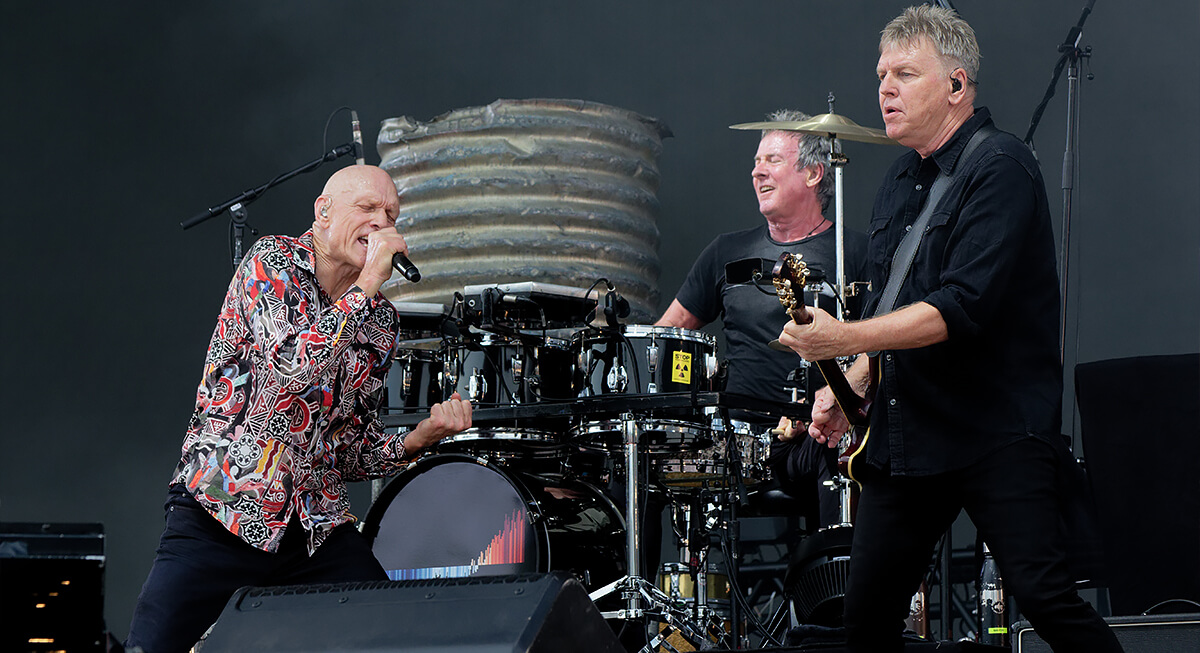
Not many charting hits double as political statements, but Beds Are Burning pulled that off in 1987. Peaking at No. 17 on the U.S. charts, the song effectively addressed Indigenous land rights in Australia. Their 2022 album Resist debuted at No. 1 in that country. Eventually, Peter Garrett moved into politics by serving in Australia’s House of Representatives and holding cabinet roles.
Eddy Grant
Credit: Youtube
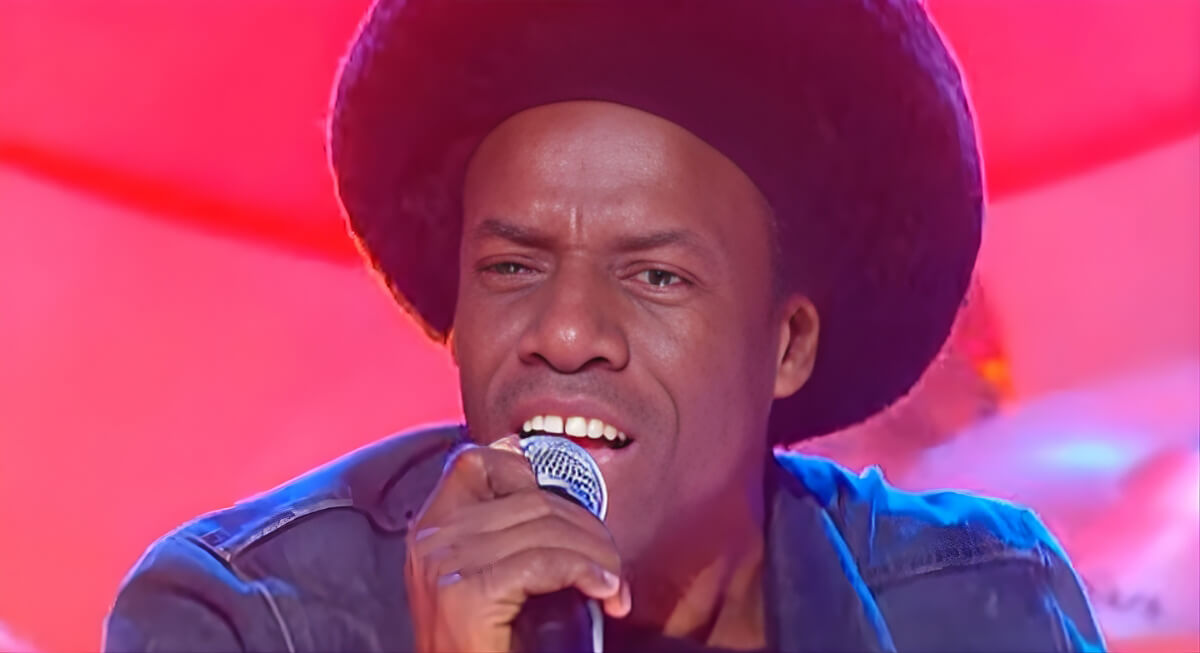
Guyana honored Eddy Grant with awards and even a postage stamp. He rightly deserved these accolades after creating the song Electric Avenue, inspired by the Brixton riots in London. Released in 1983, it reached No. 2 in the U.S., though he had already found success with The Equals before that and continued with a long solo run. He even performed at Nelson Mandela’s 90th birthday concert.
Tommy Tutone
Credit: Youtube
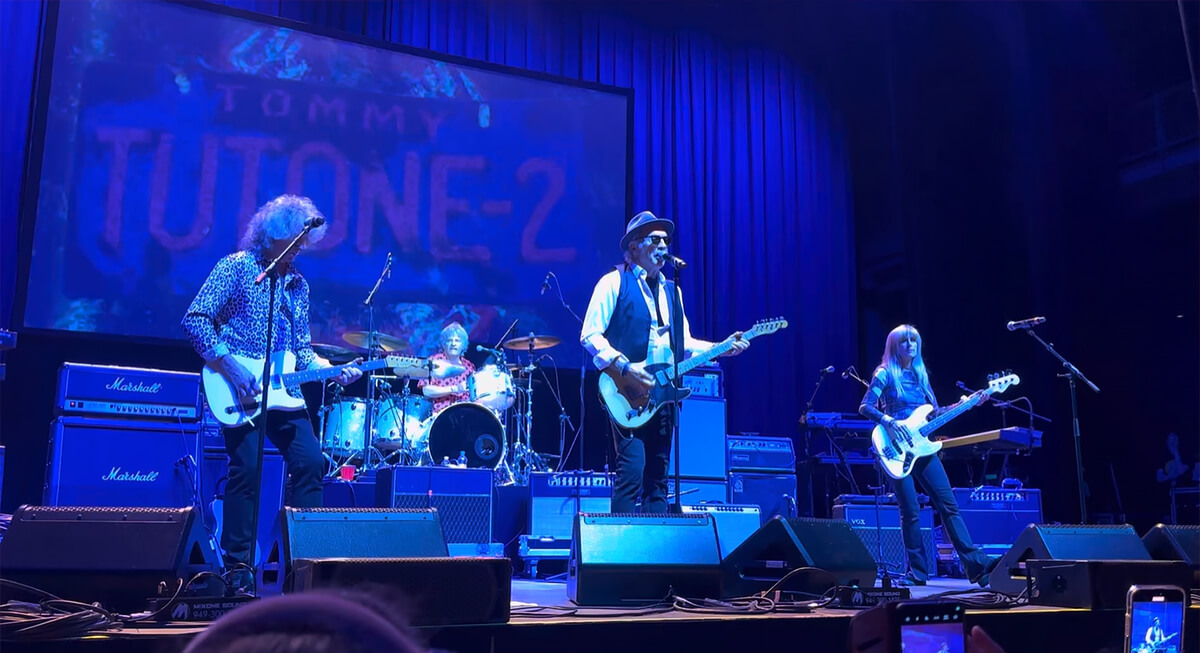
Most people know 867-5309/Jenny and still call Tommy Tutone a guy. The band hit No. 4 in 1981 with a song about a phone number on a bathroom wall, then split in 1983. Tommy Heath, who later relocated to Portland, worked as a software engineer and kept performing under the Tommy Tutone name. Jim Keller stayed in music, too, and later ran Philip Glass’ publishing company.
Nena

Credit: Wikimedia Commons
99 Luftballons was the kind of hit that could have trapped Nena in one moment forever. That did not happen. The song climbed to No. 2 in America before the band broke up in 1987. She kept going as a solo act starting in 1989, and her total album sales have surpassed 25 million. The German pop singer still tours and releases music, with her adult children singing backing vocals onstage.
Toni Basil

Credit: Youtube
Toni Basil’s story gets more interesting after the chart run ends, once you know she had already been acting and choreographing before Mickey. It’s not surprising that it went to No. 1 in 1982, with that cheerleader stomp sounding like pure ’80s pop. Her choreography credits include That Thing You Do!, My Best Friend’s Wedding, Legally Blonde, and Once Upon a Time in Hollywood.
Bobby McFerrin
Credit: Wikimedia Commons
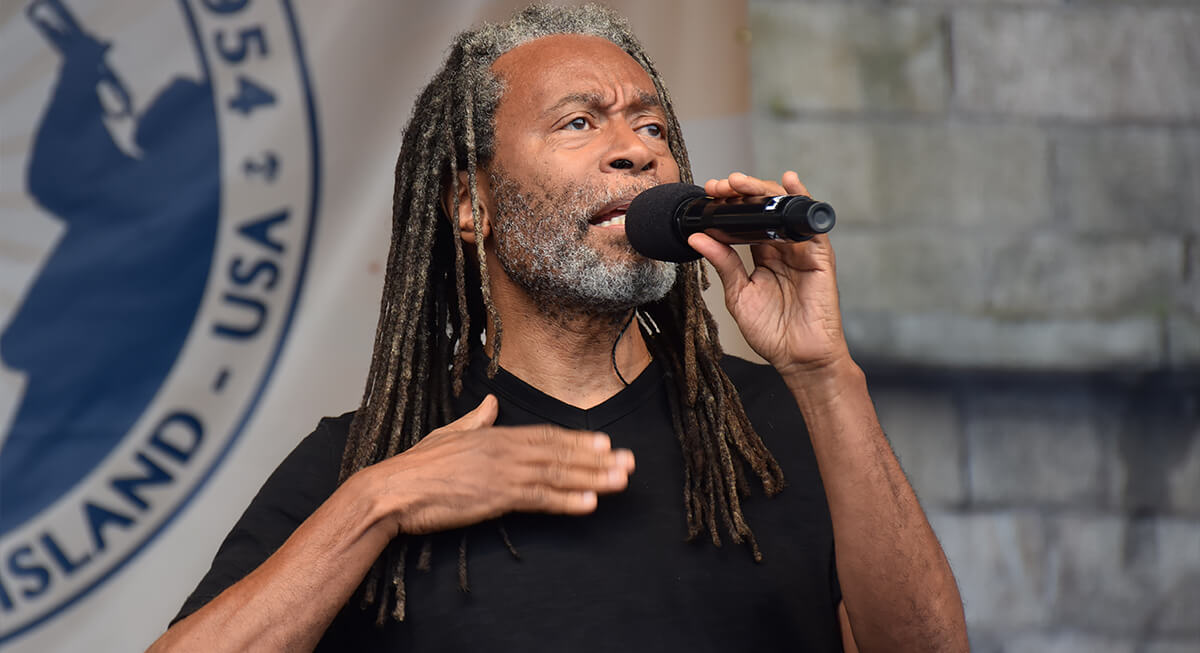
An a cappella track topping the Billboard Hot 100 still sounds unlikely, but Don’t Worry, Be Happy did exactly that in 1988. The song swept major Grammy categories the following year. Bobby McFerrin continued recording, touring, and collaborating with artists like Chick Corea, Yo-Yo Ma, Quincy Jones, and George Martin.
Dexys Midnight Runners
Credit: ebay
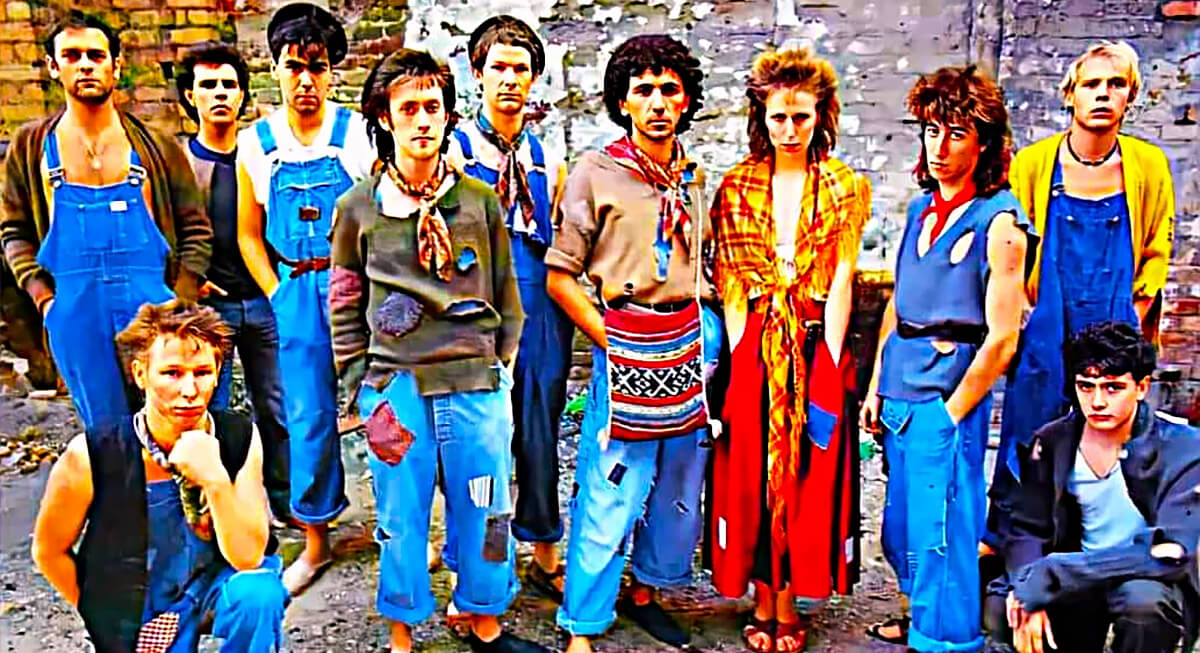
Come On Eileen was so huge that it could make the rest of Dexys Midnight Runners’ catalog disappear from memory. In reality, the group had already scored U.K. hits before cracking the U.S. with that No. 1 single in 1982. Kevin Rowland later revived the band in the 2000s, shortened the name to Dexys in 2012, and kept recording and touring.