Movies Parents Showed Their Kids Way Too Young in the 80s That Permanently Rewired an Entire Generation
The home video boom changed how kids experienced movies. A trip to the video store could end with almost anything coming through the front door, and parents didn’t always have much information to work with. If a film featured animation, fantasy creatures, talking animals, or a familiar brand name, it usually earned a spot in the family VCR.
This resulted in a generation raised on movies that routinely ventured into a surprisingly dark category. Death, abandonment, fear, grief, and nightmare imagery showed up in films marketed directly to children. Many became beloved classics, but they also left lasting impressions on young viewers.
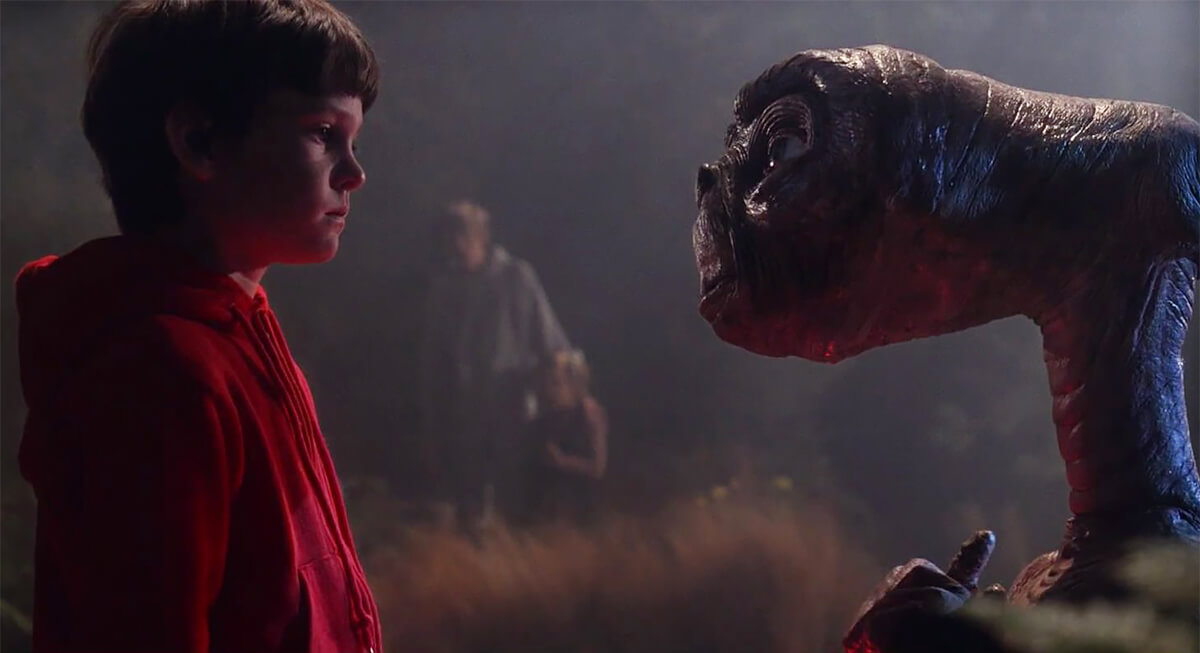
E.T. the Extra-Terrestrial (1982)
Credit: IMDb
Steven Spielberg’s E.T. the Extra-Terrestrial looked like exactly the kind of movie parents could confidently put on for family movie night. A lonely boy befriends an alien, forms a bond, and the story unfolds with warmth and wonder. Then the tone shifts dramatically. Government agents descend on Elliot’s home, and it becomes something like a medical quarantine zone. Protective suits, tubes, plastic barriers, and E.T.’s declining condition create a level of anxiety that catches many young viewers off guard. The film ultimately delivers a very uplifting ending, but the images of E.T. lying pale and dying left a lasting impression on a generation.
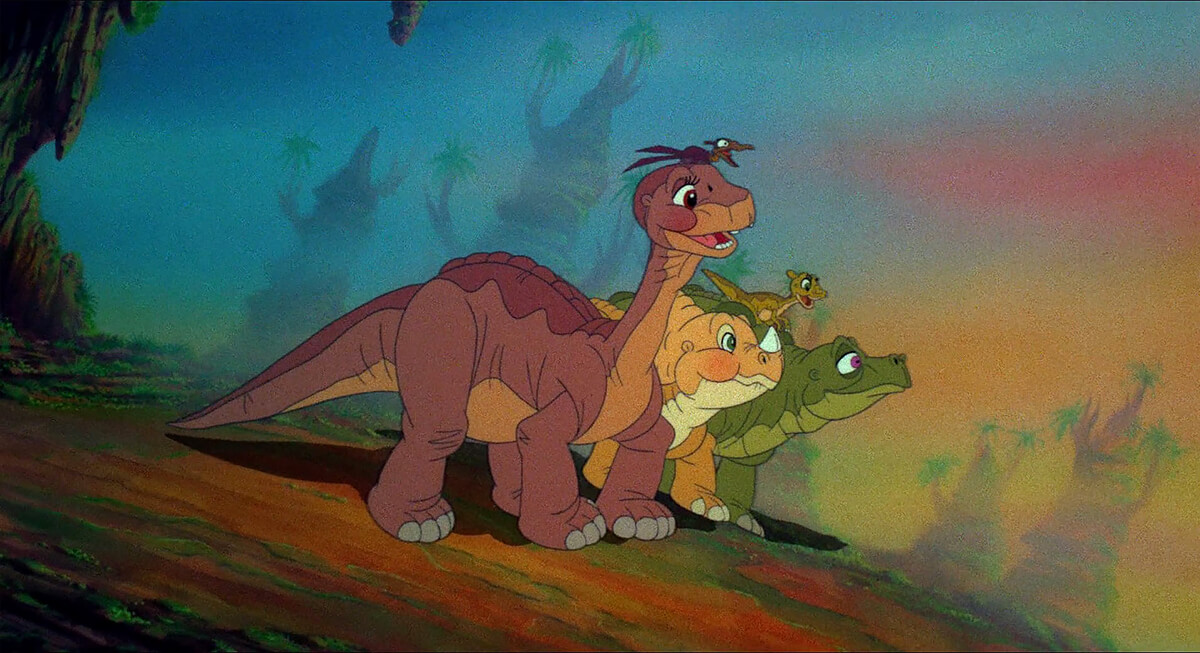
The Land Before Time (1988)
Credit: IMDb
The emotional foundation of this movie delivered a lesson about grief that many viewers likely encountered years before they were ready for it. The Land Before Time follows Littlefoot’s search for safety after a disaster tears apart his world. For many children, this was one of the first movies to treat grief as real. The film refuses to rush through loss, as Littlefoot doesn’t simply move on after tragedy strikes. The audience experiences his confusion, sadness, and loneliness alongside him.
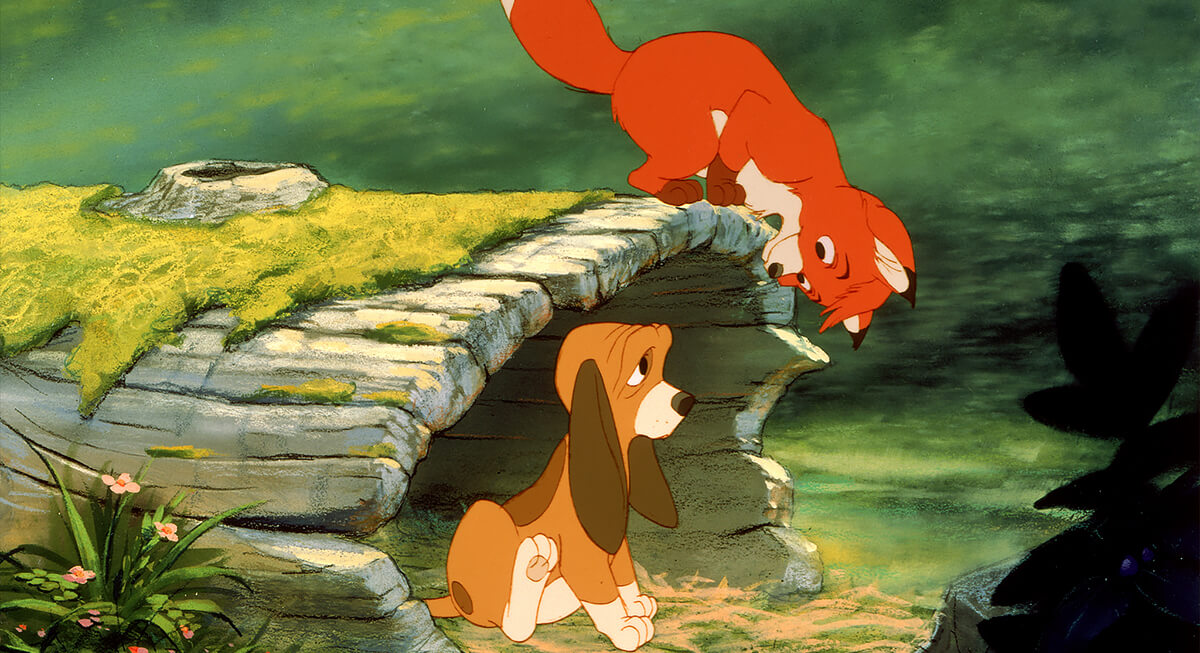
The Fox and the Hound (1981)
Credit: IMDb
Disney’s The Fox and the Hound didn’t rely on a terrifying villain to upset audiences. Instead, it focused on a relatable conflict. Tod and Copper start as inseparable friends, but growing up pushes them apart. There is no magical solution waiting at the end of the story. The movie asks viewers to accept that some relationships change despite everyone’s best intentions. The emotional realism gave the film a different kind of power, especially for children who expected friendship alone to solve every problem.
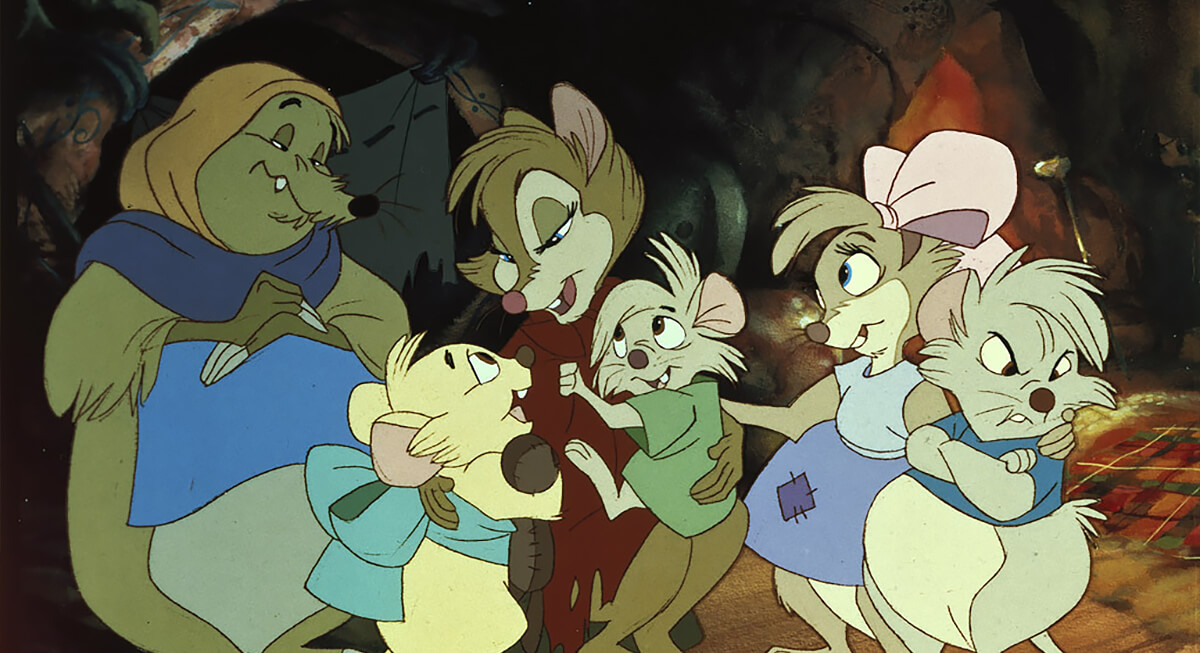
The Secret of NIMH (1982)
Credit: IMDb
Don Bluth wasn’t interested in making safe, predictable children’s entertainment. The Secret of NIMH proves that. The movie’s depiction of laboratory testing introduces themes that feel unusually mature for animation. Combined with its darker visual style and constant sense of peril, the story demands a certain level of emotional engagement. Many viewers, revisiting Mrs. Brisby’s mission to save her family as adults, are surprised by how intense it actually is.
The Brave Little Toaster (1987)
Credit: IMDb
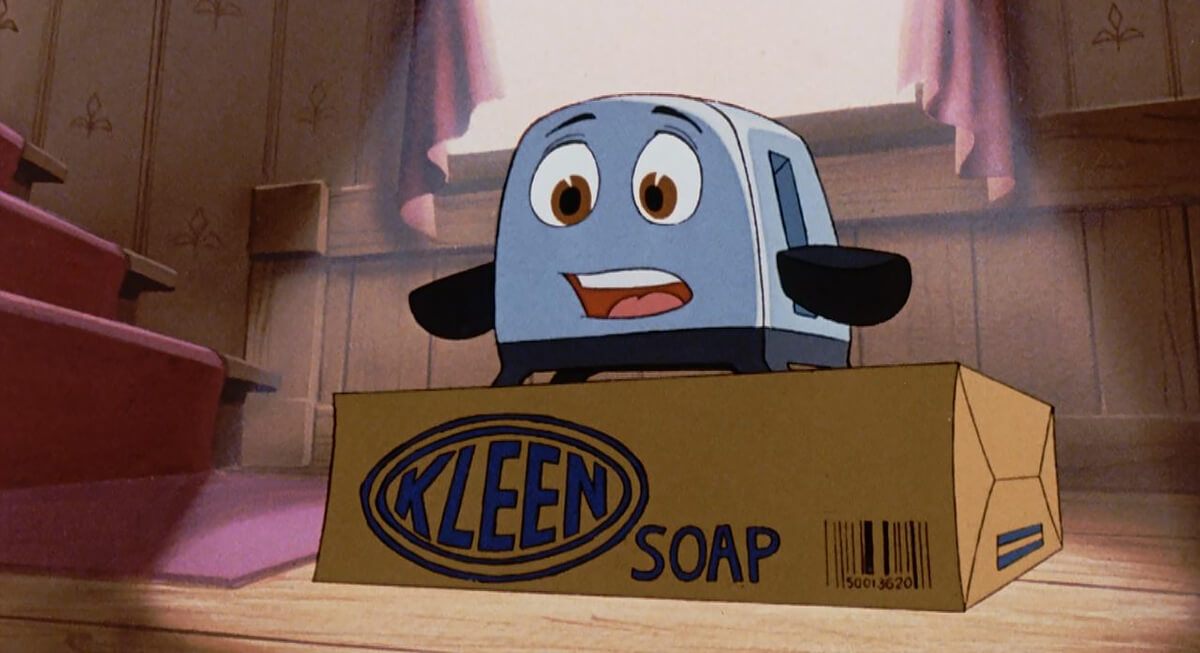
The Brave Little Toaster follows a group of household items as they search for the owner they believe abandoned them. Along the way, the movie explores insecurity, purpose, and the fear of becoming unwanted. Talking appliances should not be capable of triggering existential dread, but an air conditioner suffers a breakdown, discarded machines face destruction in a junkyard, and every character wrestles with questions that are human. It’s a story that struck emotional chords many young viewers couldn’t quite explain at the time.
Return to Oz (1985)
Credit: IMDb
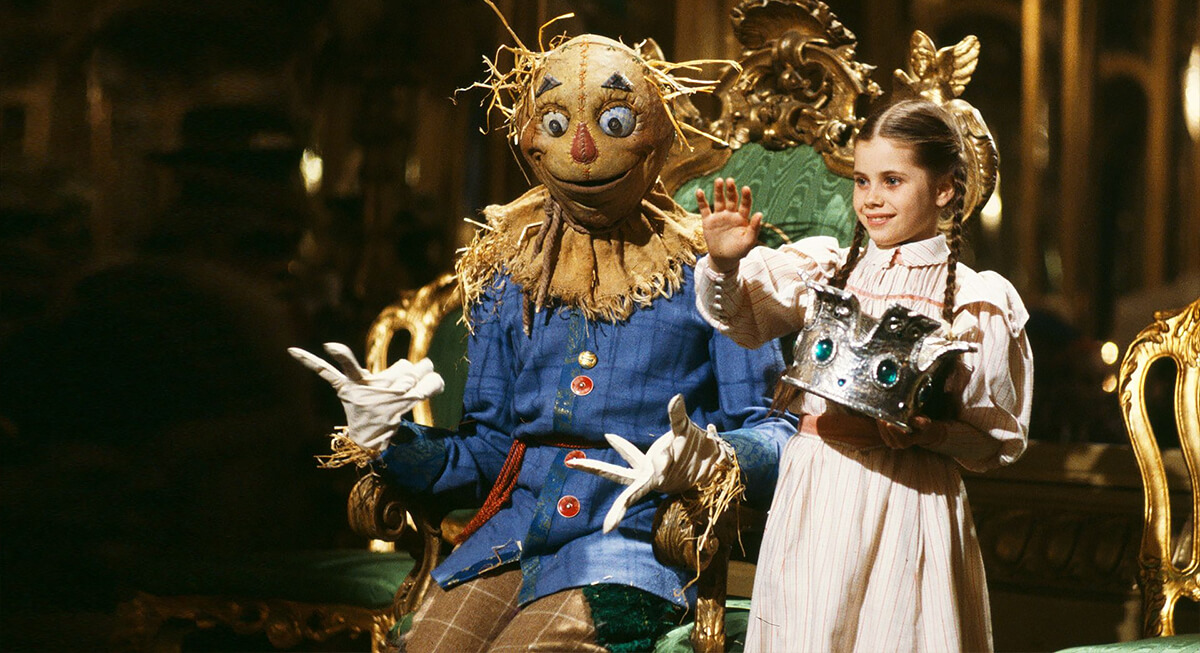
Few sequels have blindsided audiences quite like Return to Oz. Anyone expecting another colorful trip through a familiar fantasy world quickly discovered something much stranger. The film transforms Oz into a place filled with unsettling imagery and bizarre threats. The Wheelers remain among the most memorable nightmare-inducing creatures ever featured in a family movie. Princess Mombi’s collection of interchangeable heads only deepens the unease. Instead of adopting the reassuring tone of the original classic, the film adopts a darker fantasy approach.
The Dark Crystal (1982)
Credit: IMDb
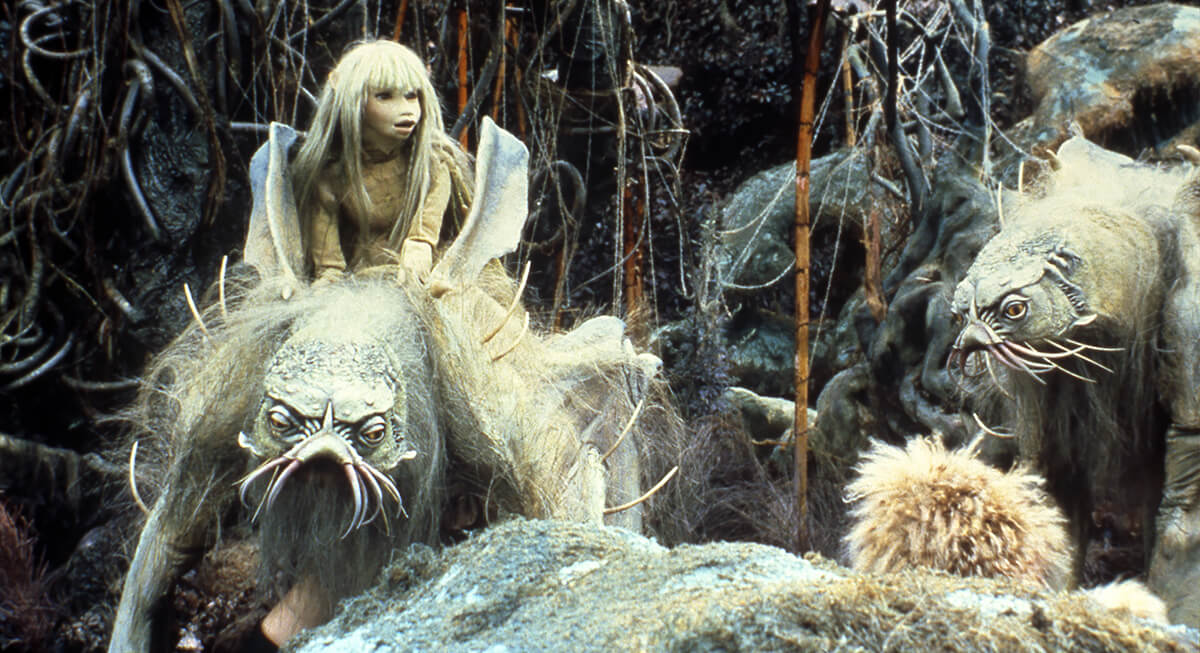
Before CGI creatures dominated fantasy films, a group of grotesque puppet villains was already keeping kids awake at night. Jim Henson’s The Dark Crystal introduced audiences to the Skeksis, creatures whose appearance and behavior remain unsettling decades later. The movie also explores themes of corruption and cruelty that feel heavy for family entertainment. Its practical effects are remarkable, but the rasping voices, decaying bodies, and hunger for power create an atmosphere of constant discomfort.
The Last Unicorn (1982)
Credit: IMDb
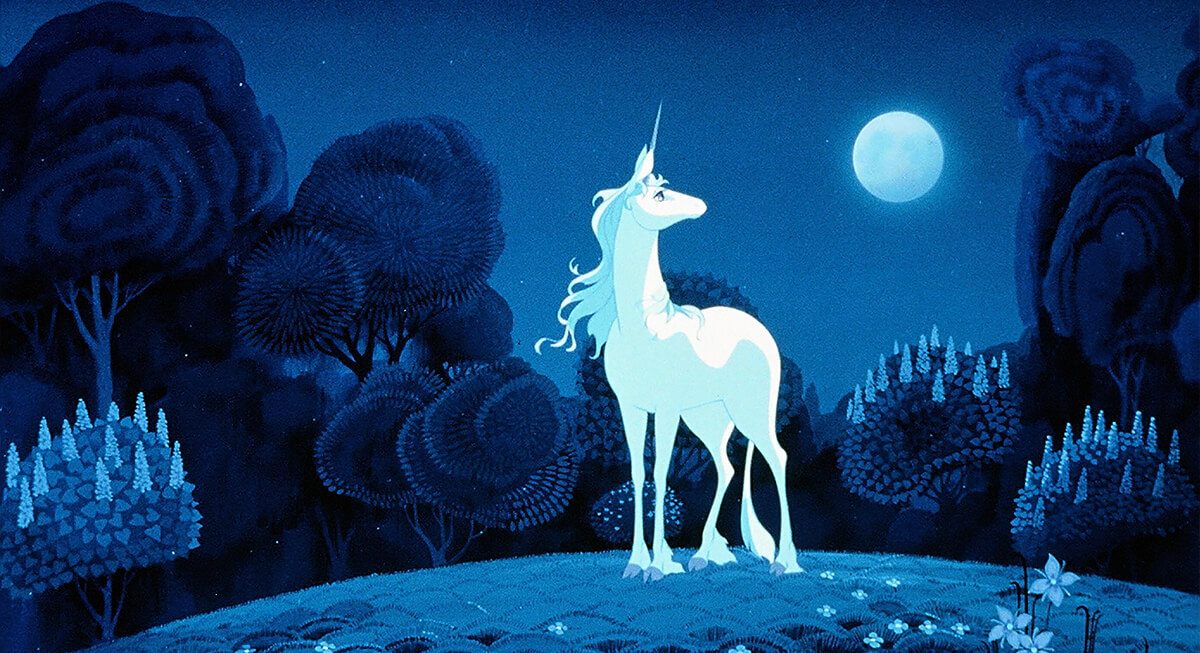
The Last Unicorn came disguised as a fairy tale but carried the emotional weight of something much sadder. It asked viewers to confront the idea that some beautiful things don’t last forever. The unicorn is searching for others of her kind in a world where magic appears to be fading away. But the adventure is not the major focus. Themes of loss, change, and the passage of time dominate. The atmosphere becomes especially unsettling during scenes set at Mommy Fortuna’s carnival, and the terrifying Harpy held captive there.
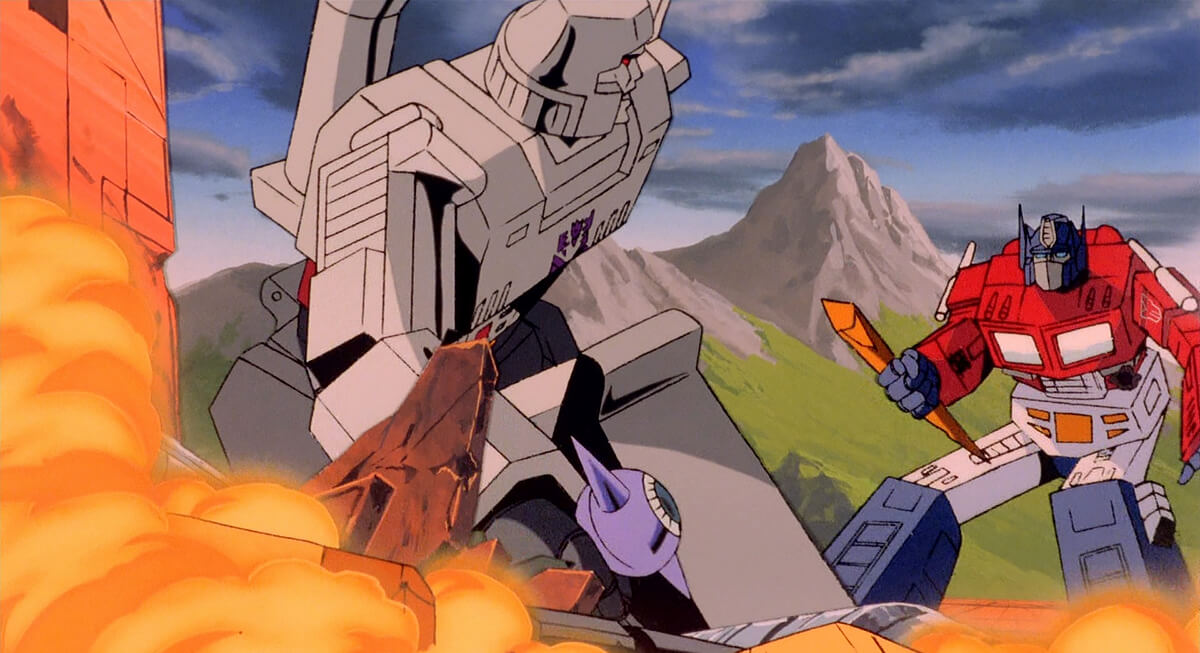
The Transformers: The Movie (1986)
Credit: IMDb
For many children, this movie was a major event tied to one of the world’s biggest toy and television franchises. That context made Optimus Prime’s death especially shocking. Audiences came expecting giant robot battles and heroic victories. Then they watched the franchise’s most beloved figure fall. Many young fans were witnessing, for the first time, a favorite hero who simply didn’t come back to life.
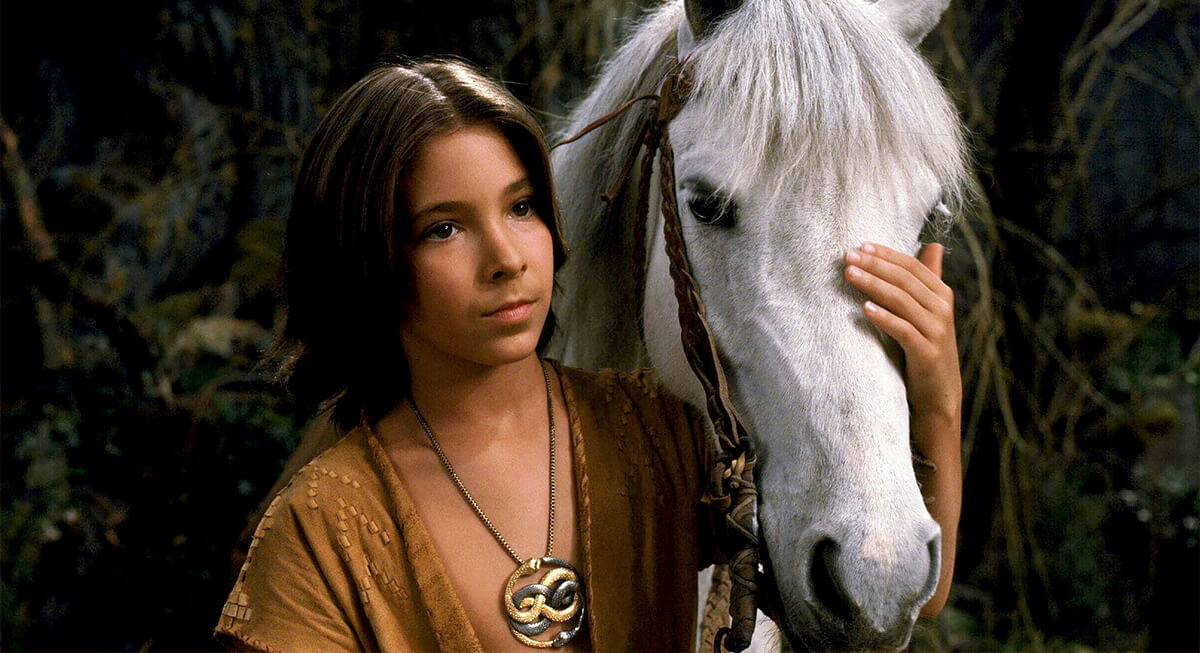
The NeverEnding Story (1984)
Credit: IMDb
The Swamp of Sadness has become so deeply embedded in pop culture that many people remember the scene before they remember the plot. The NeverEnding Story begins like a traditional fantasy adventure, complete with a young hero, magical creatures, and an epic quest. Then comes the moment when Atreyu’s horse, Artax, slowly sinks beneath the swamp despite every effort to save him. There is no last-second rescue and no magical reversal. The scene forces both the character and the audience to confront a loss they cannot prevent. Decades later, it remains one of the most emotionally devastating moments ever placed inside a family movie.