Proof That Mixtape Was the Ultimate Love Language of the ’80s and ’90s
Before texting made confessions instant and disposable, expressing interest took patience and a bit of nerve. The mixtape filled that role with surprising precision. It carried intention and a sense of effort that couldn’t be rushed. People arranged feelings into a sequence that someone else could sit with, rewind, and interpret at their own pace.
A Playlist That Took Real Time to Build
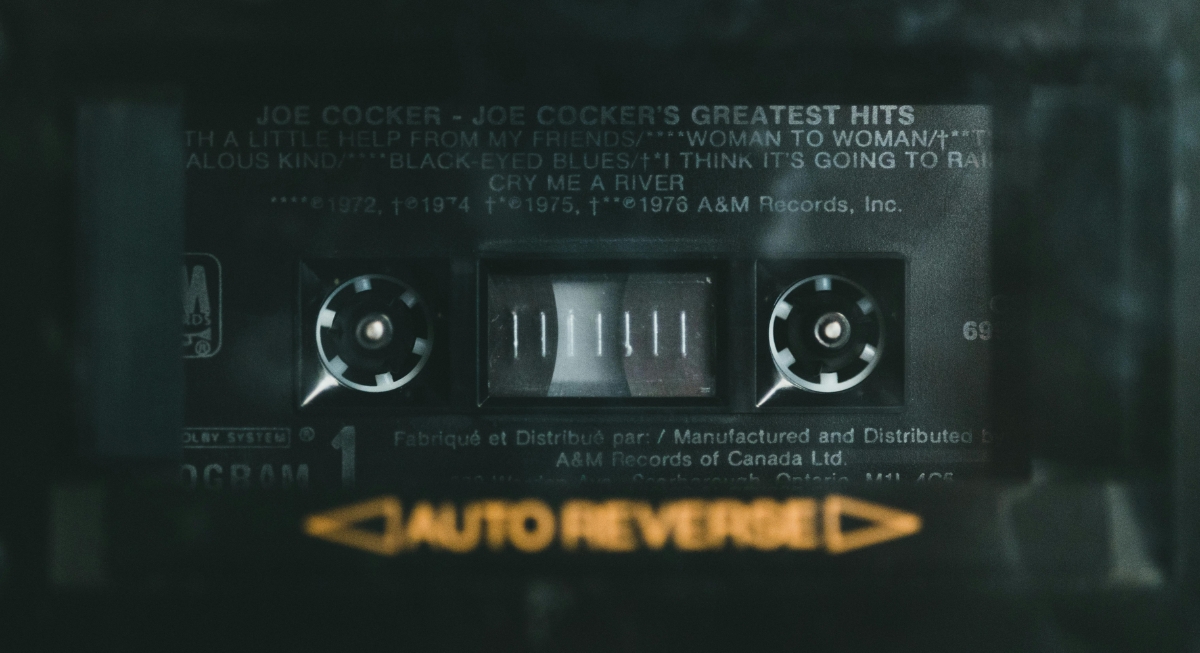
Credit: pexels
Recording songs in real time meant sitting through entire tracks, waiting for the right moment to press record, and starting over if something went wrong. That time investment carried meaning. Giving someone a tape signaled that they were worth an evening spent hovering near a stereo.
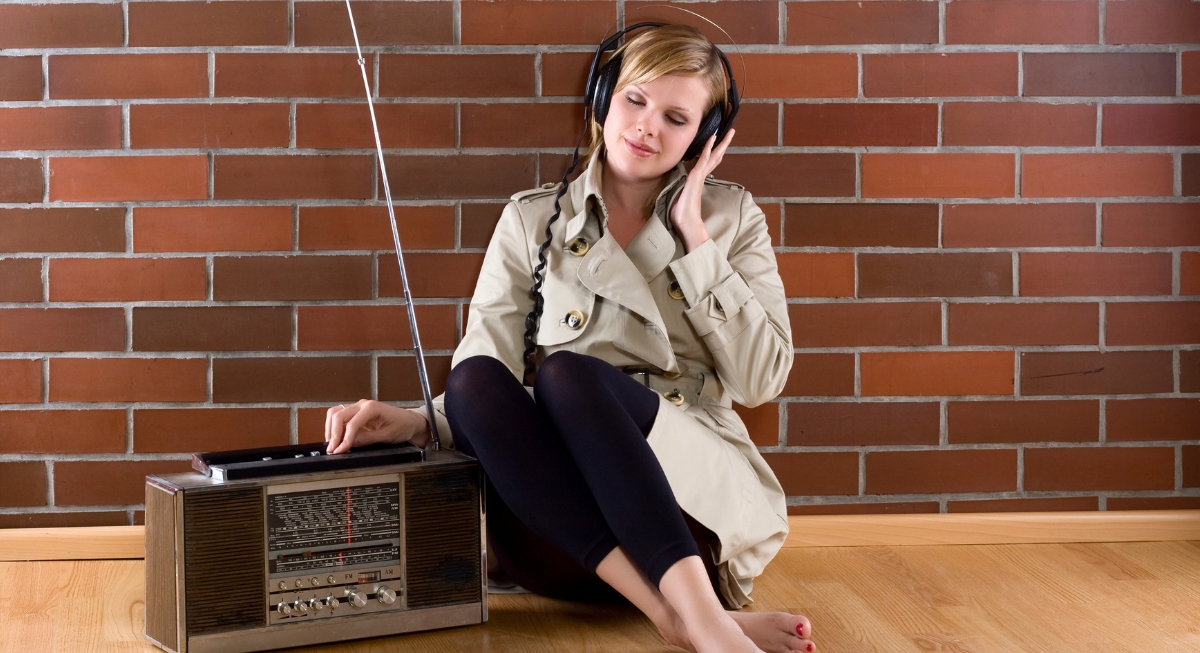
Song Order Carried a Hidden Message
Credit: Getty Images
The placement of songs wasn’t random. A carefully chosen opener set the tone, often easing into emotion. Midway through, the lyrics became more revealing. By the final track, the message often felt unmistakable. Listeners who paid attention could follow the arc and understand what the maker was trying to say.
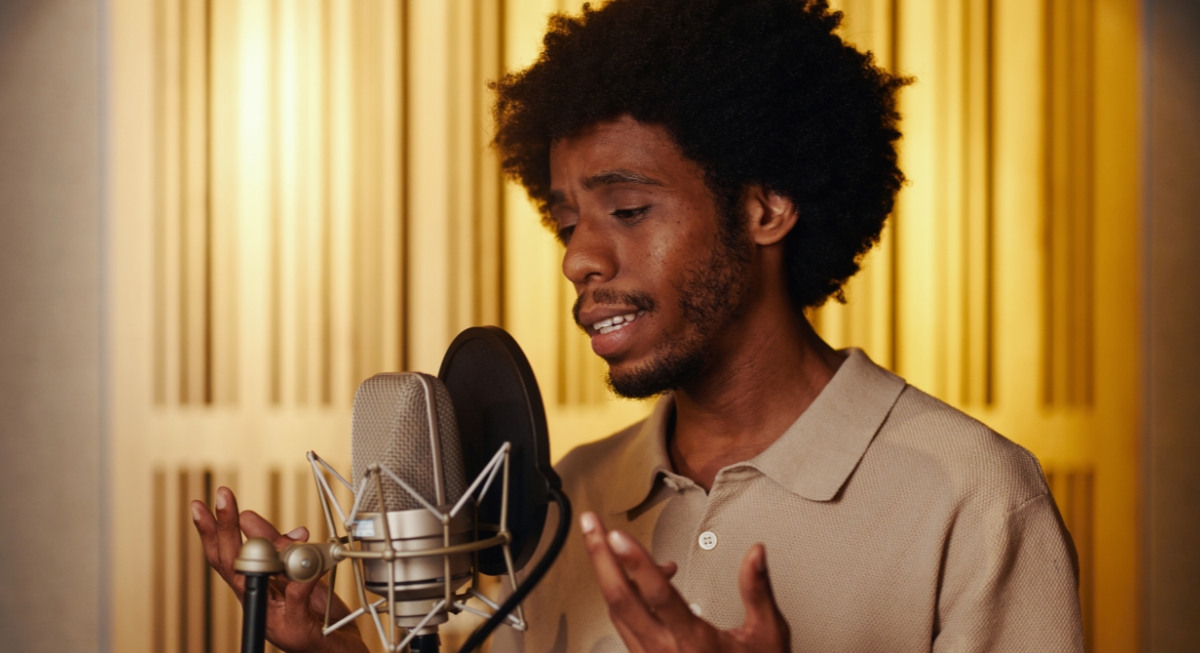
It Let Feelings Speak Without Awkward Conversations
Credit: Canva
Lyrics from different artists formed an indirect conversation. A single track could hint at attraction, another could express uncertainty. It was thoughtful, but didn’t put anyone on the spot, which made it especially effective for shy teenagers.
Mistakes Made It Feel More Personal

Credit: Getty Images
Radio recordings often had minor imperfections. A DJ might talk over the intro, or a commercial could clip the ending. Instead of ruining the tape, those flaws made it feel real. They showed effort and persistence. The listener could picture the moment it was recorded.
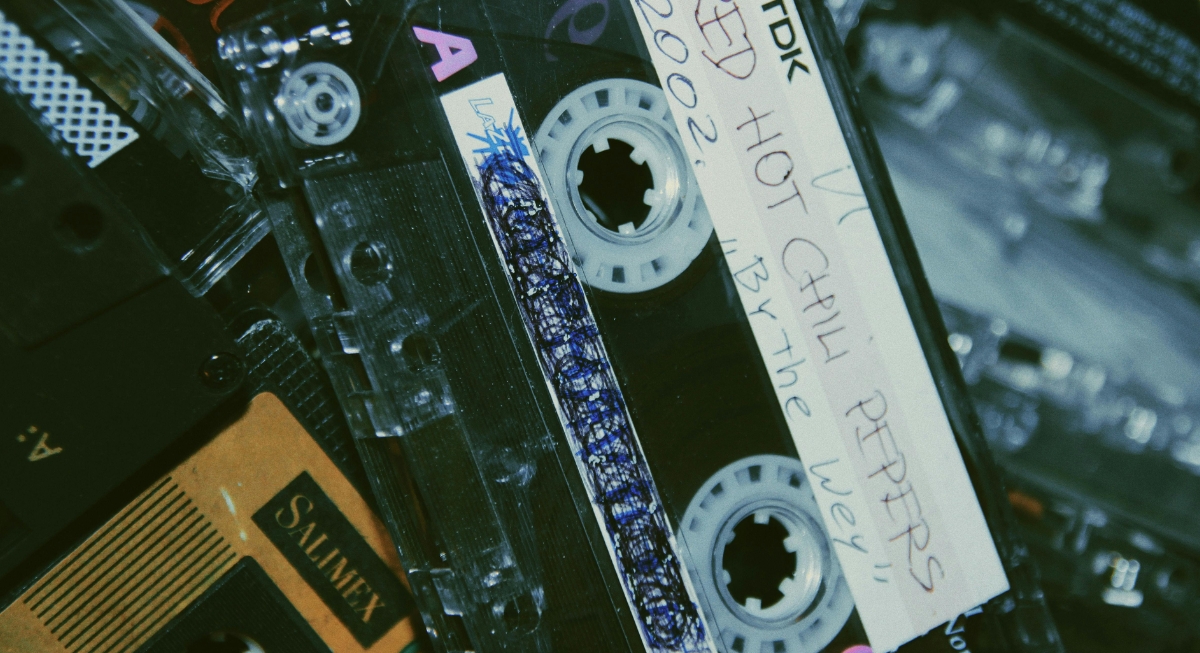
Handwritten Labels Added a Human Touch
Credit: pexels
The cassette case usually included a small card for track listings. Many took time to decorate margins or add short notes beside certain songs. A crossed-out title or uneven spacing often revealed how much care went into getting it right. The physical detail made the mixtape feel like something made for one person.
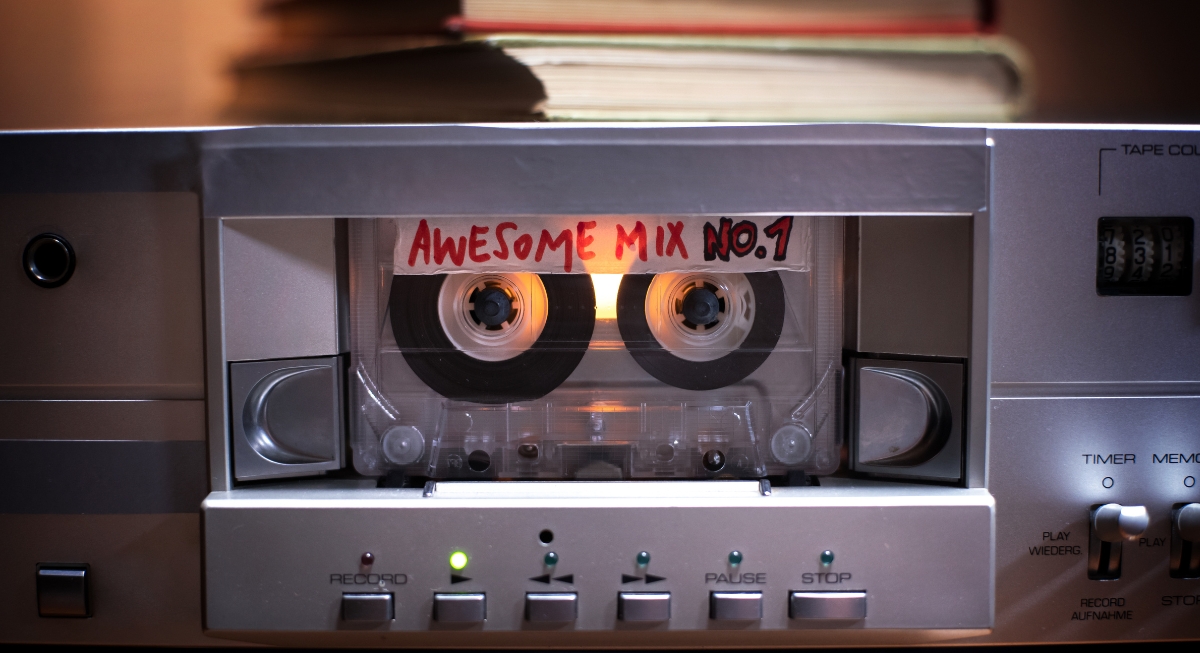
Music Knowledge Became Part of the Gesture
Credit: Getty Images
A strong mixtape often mixed familiar hits with unexpected tracks. Including a lesser-known song suggested effort and curiosity. It could also spark conversation if the listener recognized an artist or asked about a track. The exchange added another layer to the connection.
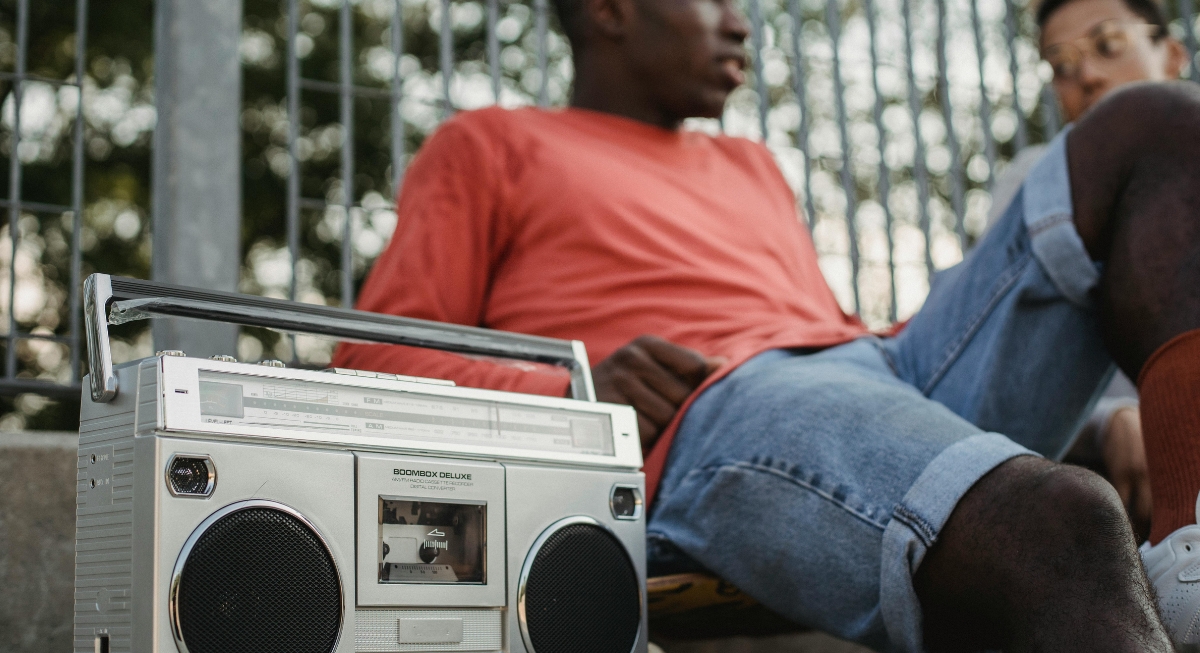
It Reflected Attention to the Other Person’s Taste
Credit: pexels
Choosing songs involved a thoughtful consideration of what the recipient actually enjoyed. Matching their style showed awareness, while adding a few surprises kept things interesting. The balance made the gesture feel more sincere than simply sharing whatever happened to be popular at the time.
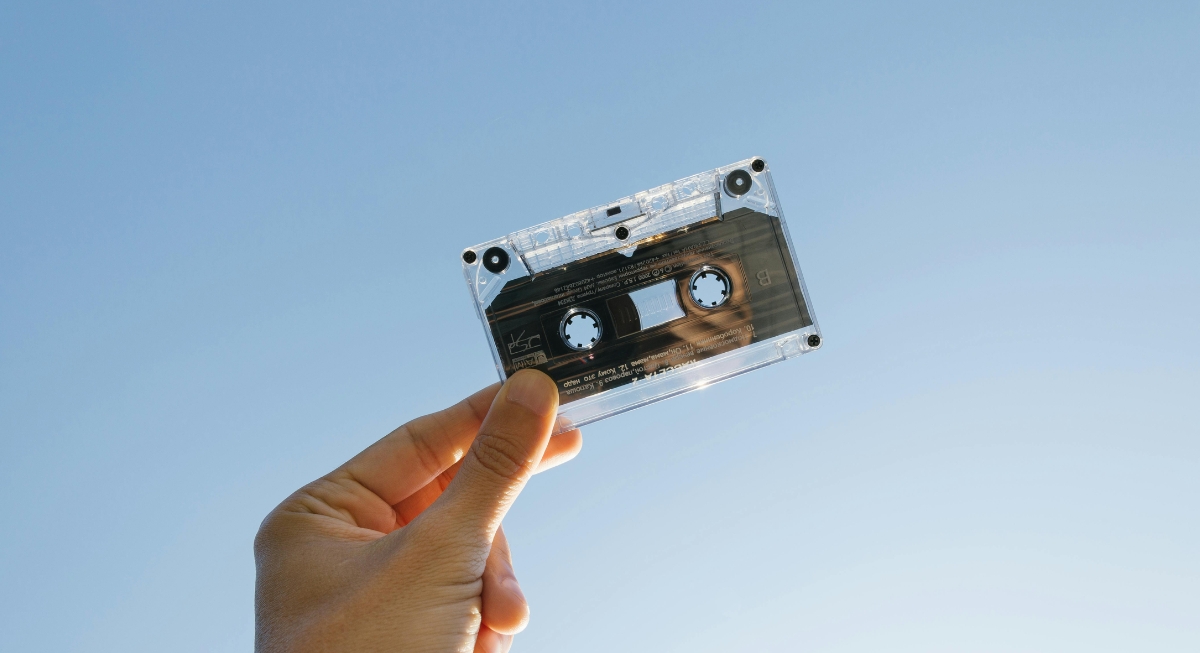
Limited Tape Length Forced Thoughtful Decisions
Credit: pexels
Most cassettes held 60-90 minutes, split between two sides. That limit meant every track had to earn its place. People often calculated song lengths to avoid cutting off the ending or leaving awkward silence. The process required planning.
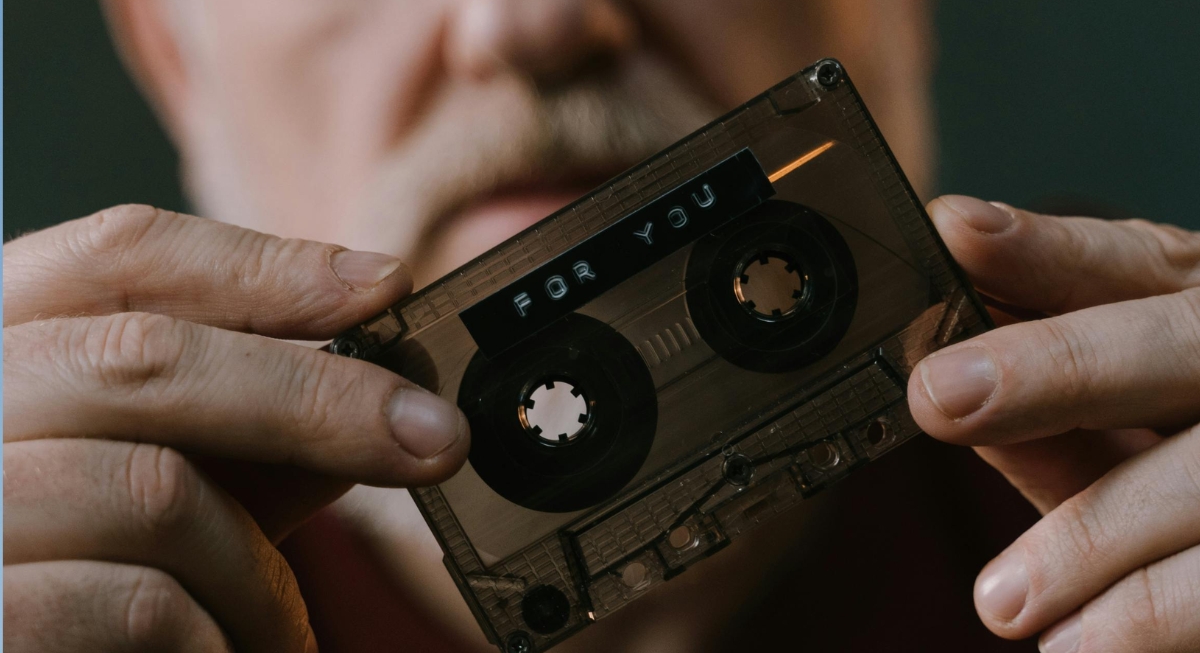
It Became a Physical Reminder of Someone
Credit: pexels
Unlike a digital playlist, a mixtape could be held, stored, and revisited years later. Seeing the cassette or reading the handwritten track list brought back specific memories. It turned music into something tangible.
Different Moods Allowed Different Messages

Credit: Getty Images
Mixtapes weren’t limited to romance. A single person might receive different tapes over time, each reflecting a shift in feelings. One could be playful, another more serious, another filled with songs about distance or regret. The format allowed emotions to evolve without needing a direct explanation.