10 Household Items from the 1980s That Would Confuse Gen Z
An average home from the 1980s feels like entering a completely different way of life. Every day tasks involved gadgets that clicked, whirred, or required a bit of patience. Convenience existed, though it looked very different from what people expect now. Here’s a look at familiar household staples that might leave Gen Z wondering how anything ever got done.
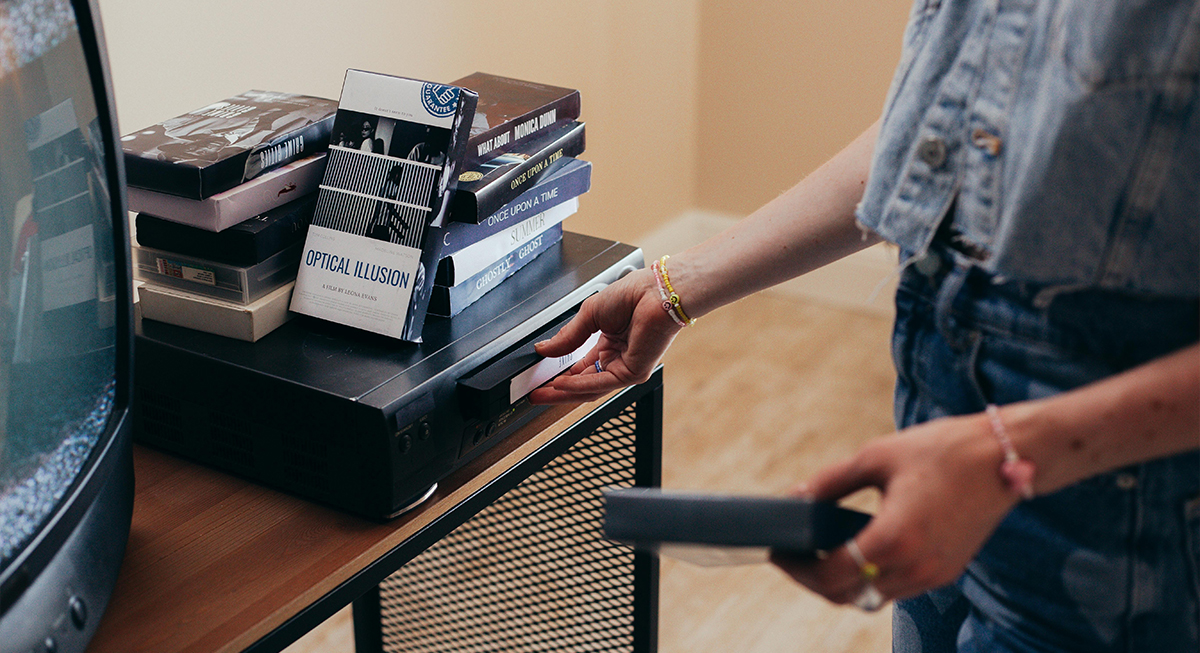
VCR and VHS Tapes
Credit: pexels
A VHS tape had to be inserted into a VCR, and once the movie ended, rewinding it was part of the process. Rental stores even charged fees for forgetting. Picture quality often degraded over time, and tracking adjustments were common. Despite those quirks, the format shaped how people scheduled movie nights and built personal film collections.
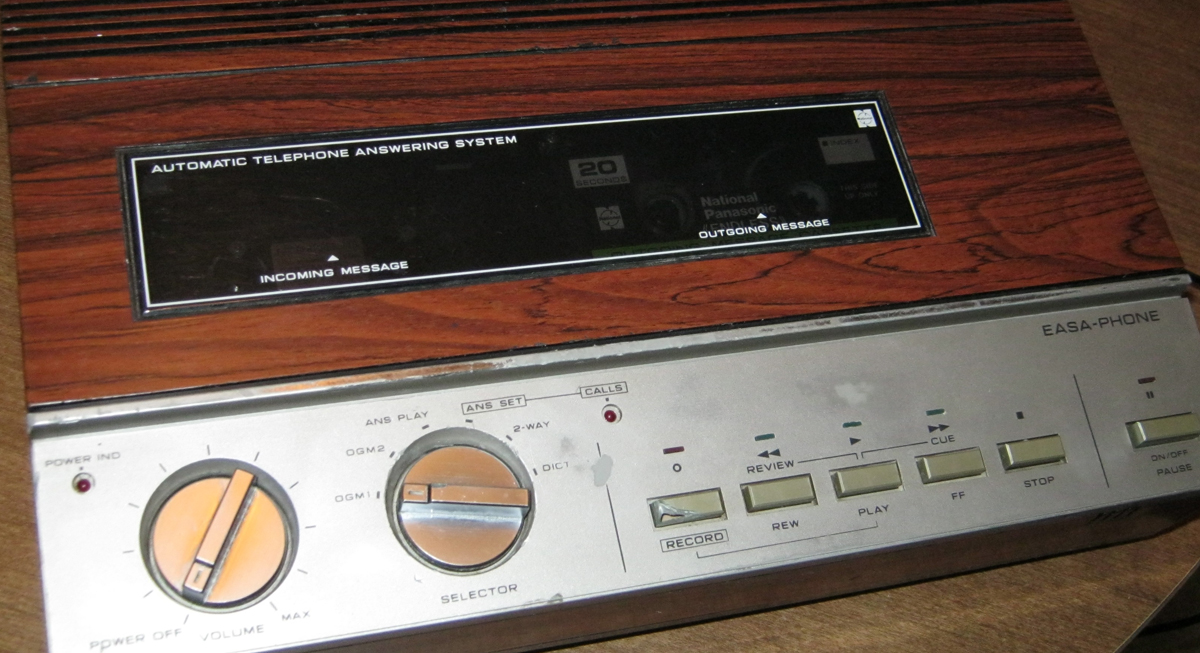
Answering Machines
Credit: Wikimedia Commons
Before voicemail lived in a phone, it sat on a countertop. Early answering machines relied on microcassette tapes, which meant messages could fill up quickly. Many households recorded personal greetings, either serious or playful. Sales of these devices climbed through the decade as dual-income households became more common.
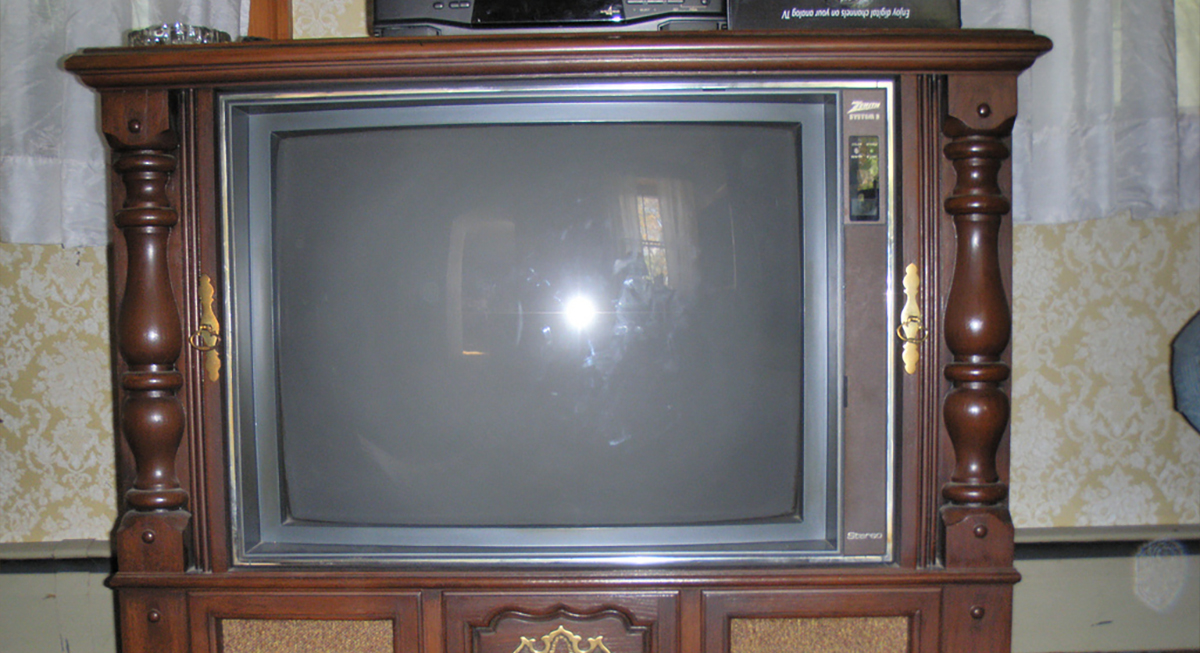
Wood Paneled Television Consoles
Credit: Wikimedia Commons
Television manufacturers treated the screen as part of the furniture industry. Companies like Zenith and RCA designed large consoles with wood finishes that matched coffee tables and cabinets. These units could weigh over 100 pounds. Rear-projection models later expanded on the concept, though they remained bulky.
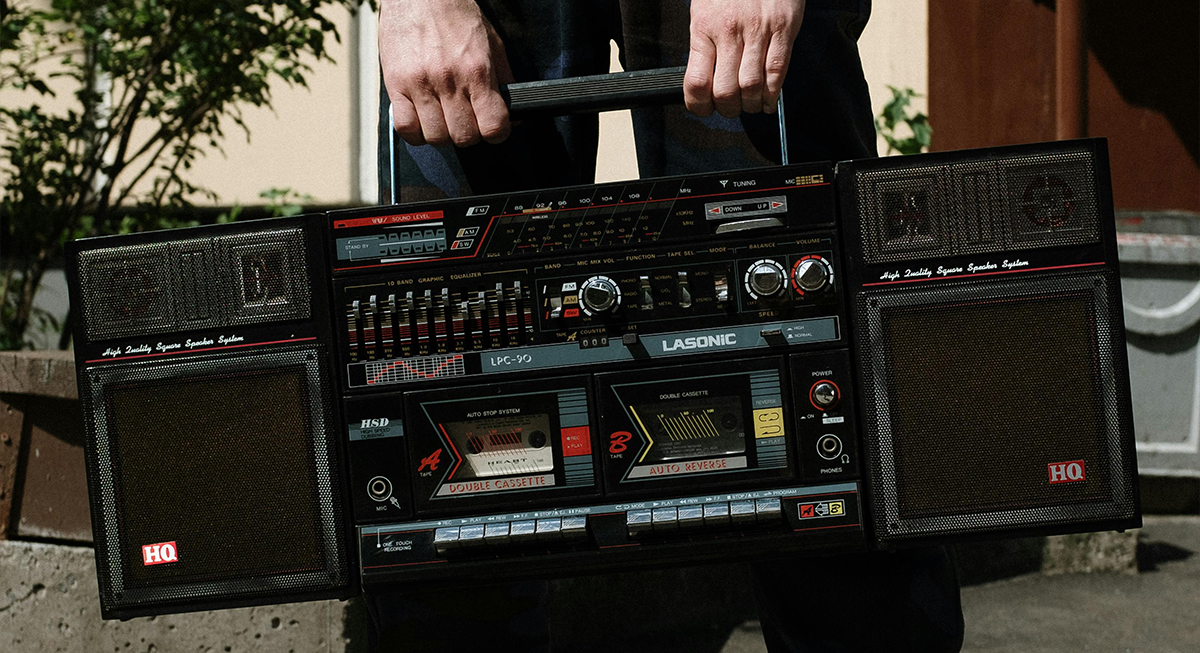
Boom Boxes
Credit: pexels
Boom boxes combined radio, cassette playback, and powerful speakers into one device. People carried them to parks or gatherings, and turned personal music into a shared experience. Batteries drained quickly, which made access to power outlets valuable.
Microwave Cookbooks

Credit: pexels
Microwaves entered American kitchens in large numbers during the late 1970s and early 1980s. Many home cooks didn’t trust the appliance at first, so publishers released cookbooks focused entirely on microwave use. These books included detailed instructions for meals that could be prepared without a stove or oven.
Rubik’s Cube
Credit: pexels
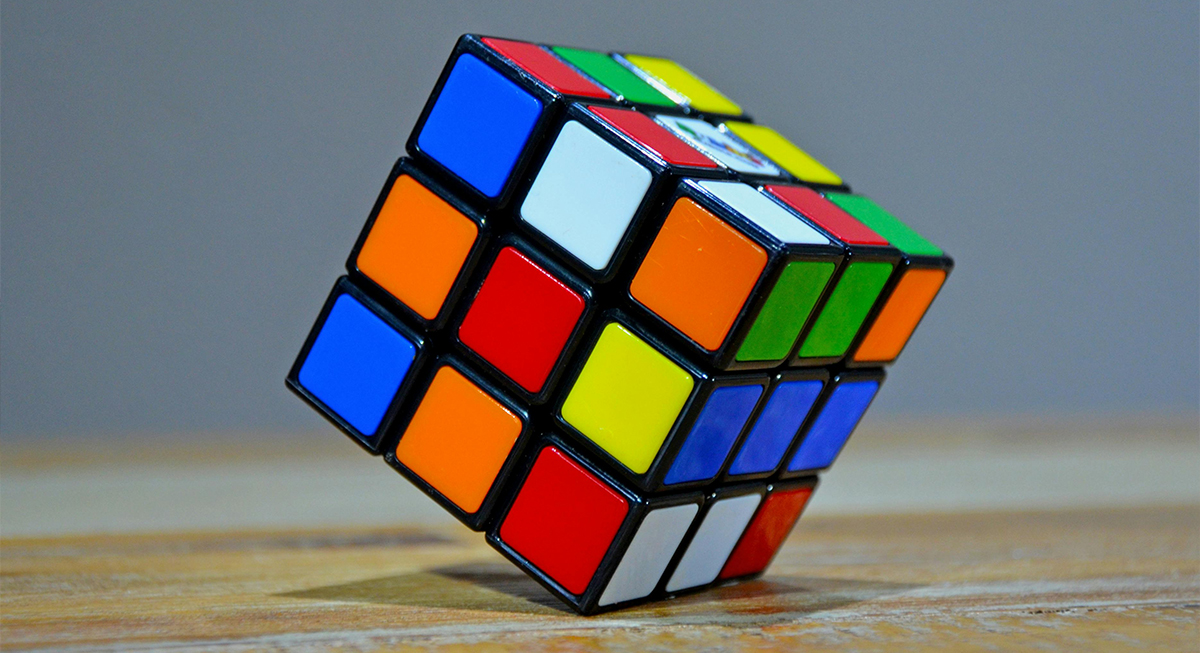
This small puzzle turned into a widespread challenge that sat on coffee tables and bedroom shelves. It also appeared in classrooms, where teachers used it to discuss spatial reasoning and problem-solving skills.
TV Trays
Credit: Wikimedia Commons
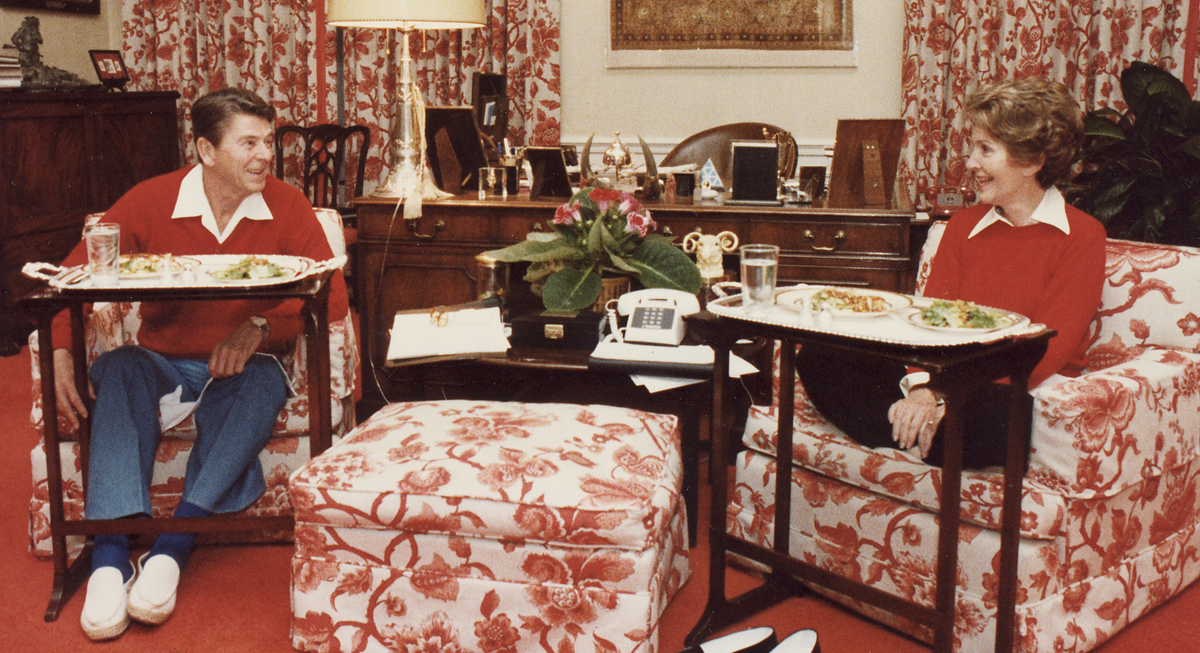
The rise of television changed how families arranged their evenings. By the 1980s, TV trays had become a practical response to that shift. Manufacturers designed them to fold flat and store easily, often with matching stands. Advertisements promoted the idea of eating dinner while watching prime-time shows.
Stereo Systems with Tower Speakers
Credit: Wikimedia Commons
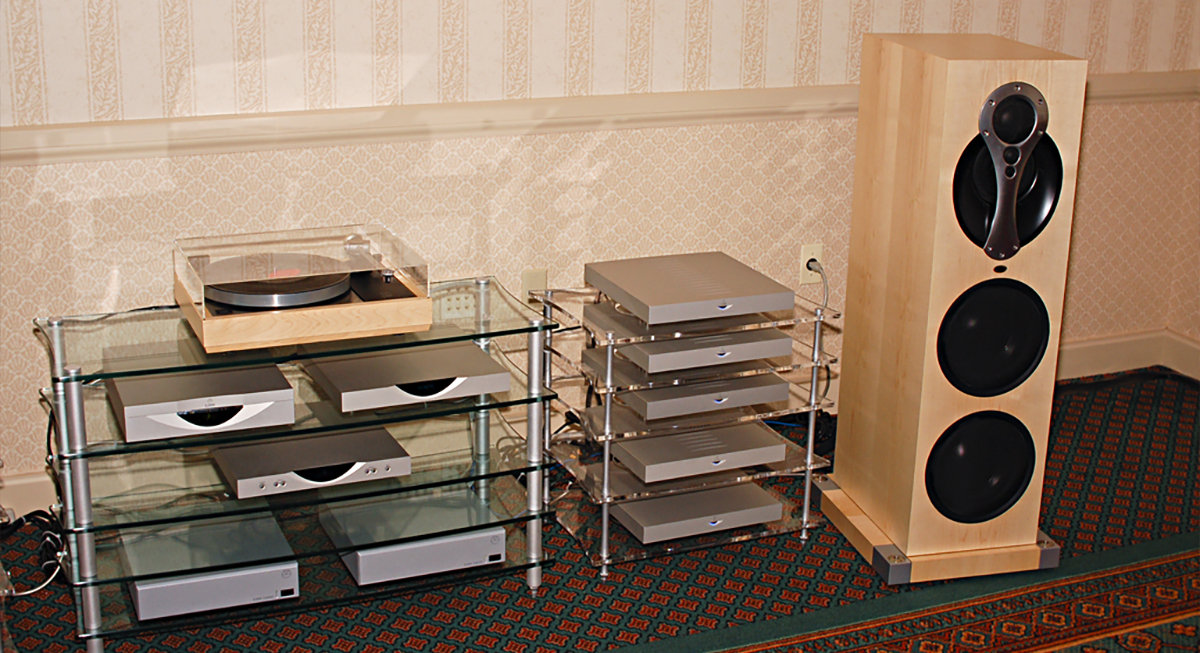
A full stereo setup often required saving up, since high-quality receivers and speakers were not cheap. Brands like Pioneer and Technics built reputations on sound clarity and durability. Music fans spent time adjusting equalizer settings to match their preferences.
Encyclopedia Sets

Credit: Wikimedia Commons
Encyclopedias came in full alphabetical sets, often sold door-to-door or purchased as a long-term investment. Students used them for school projects, and parents often viewed them as an investment in education. Entries were written by experts and updated in new editions, though older volumes remained in use for years.
Waterbeds
Credit: Wikimedia Commons
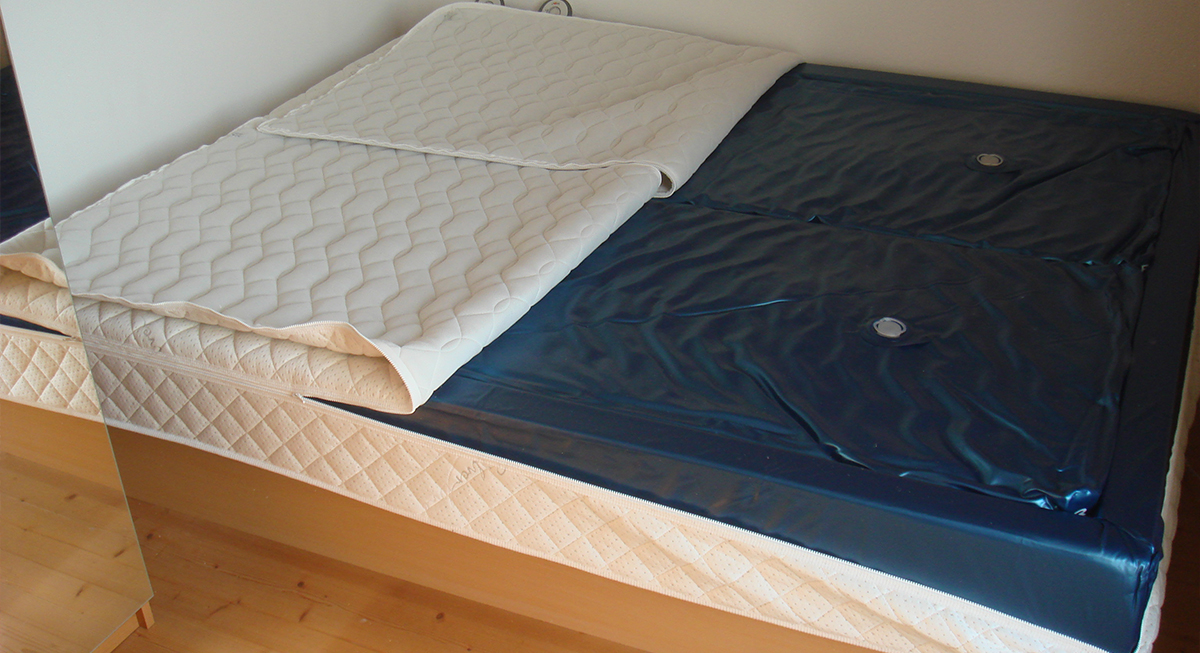
Movement across the surface of waterbeds created a gentle wave effect that some people enjoyed, and others found distracting. Setting one up took effort, and leaks posed real concerns. Still, it stood as a symbol of modern living at the time.