10 Things Found in Every 80s Family Car Glove Compartment You’ll Recognize Instantly
The 1980s family car glove box was a cramped storage space with a squeaky door. Vehicle registration papers, crumpled highway maps, sticky candy wrappers, cassette tapes could be found in there, along with things adults kept “just in case.” The exact contents changed from car to car, but here’s a list of 1980s family car essentials that made sense in many glove boxes.
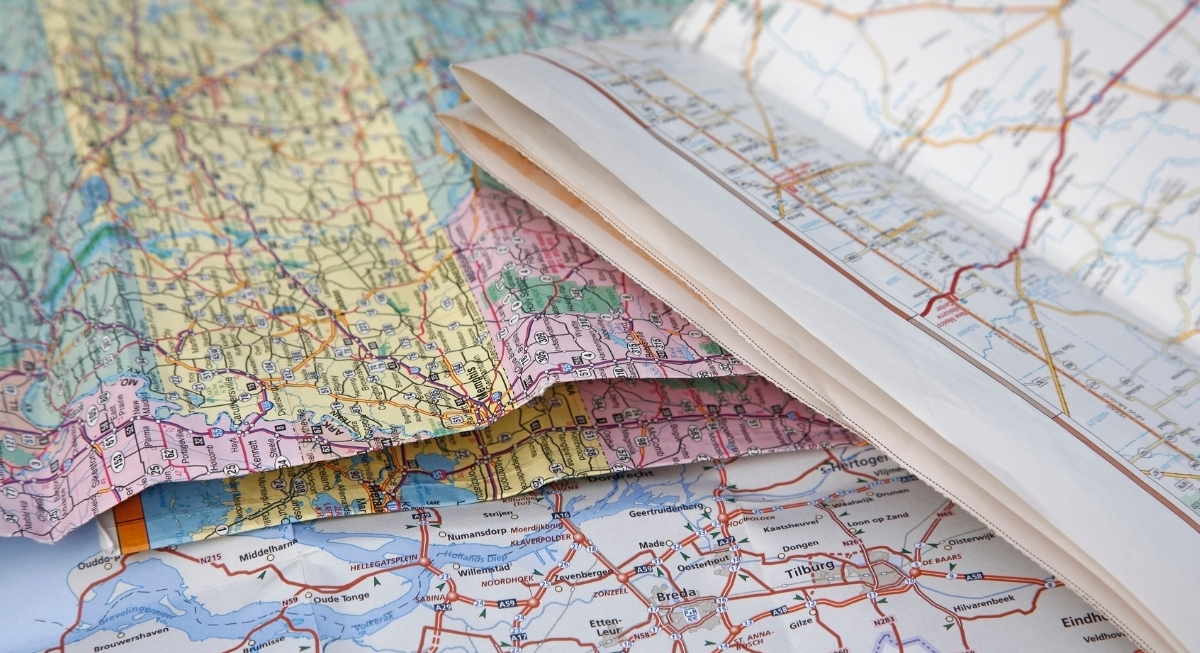
Folded Gas Station Maps
Credit: Getty Images
A glove box was exactly the sort of place to store an old highway map. Missing an exit would trigger a roadside strategy meeting. Once the map was taken out, one parent steered while the other scanned for highway signs, and the kids knew to keep quiet.
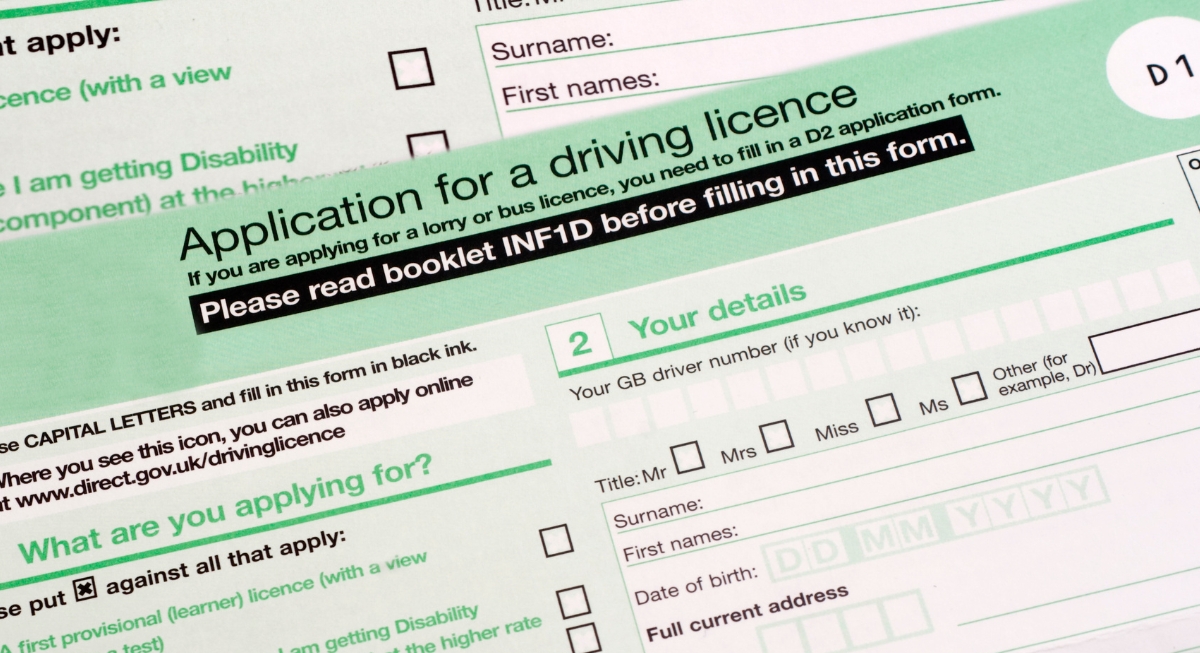
Registration Papers In A Vinyl Pouch
Credit: Getty Images
Vehicle papers often made the glove box feel like official adult territory. Important documents such as vehicle registrations and insurance cards could be found in a vinyl pouch and only saw the light of day during traffic stops, inspections, or yearly renewals. The simple pouch lasted long after the new-car scent faded away. Its boring appearance made the contents seem incredibly important whenever a parent pulled it out.
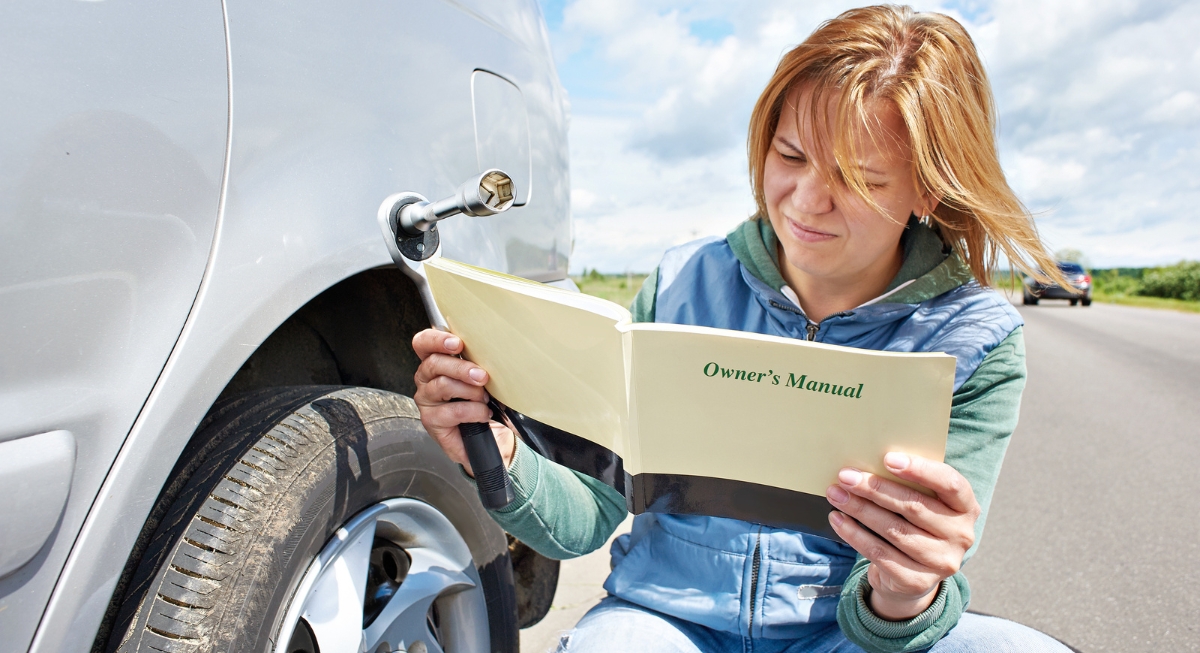
The Car Manual Nobody Read
Credit: Getty Images
The owner’s manual usually belonged in the glove box, even if it only came out when a warning light made everyone nervous. The little booklet gave the glove box a practical purpose beneath the napkins, receipts, and road-trip leftovers. Even with the guide open, the first move was to give the dashboard a firm tap and listen for changes. Somehow, the booklet stayed in mint condition.
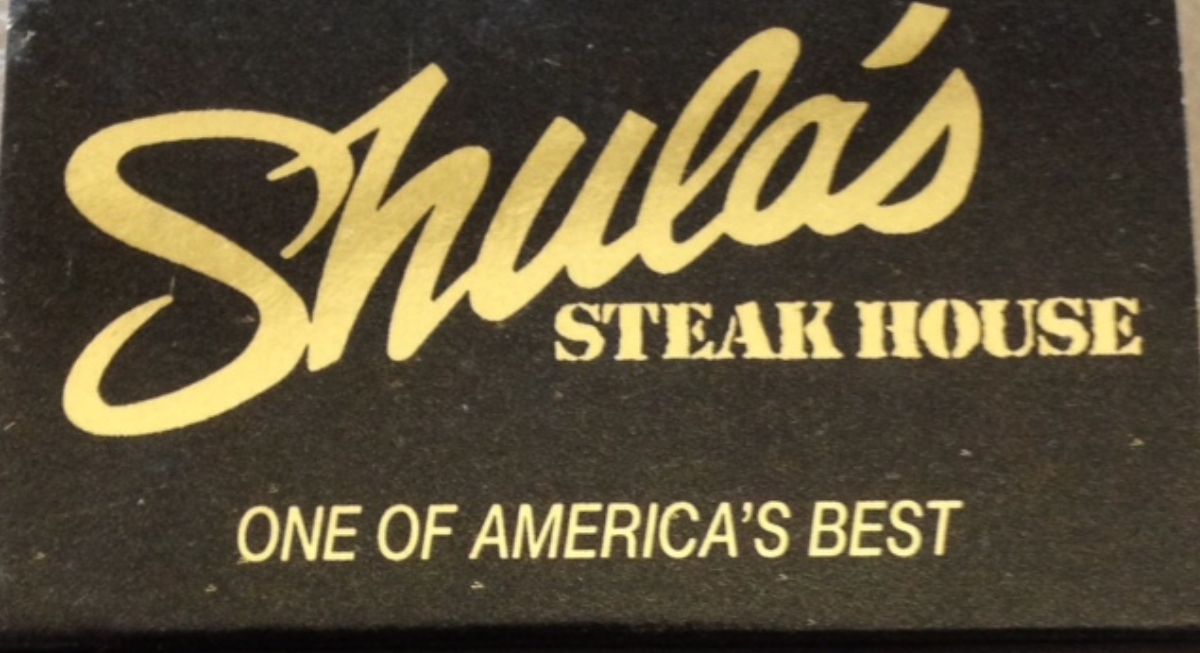
A Restaurant Matchbook
Credit: Wikimedia Commons
Those little cardboard books served as instant time machines. Businesses handed them out as free advertisements, so even people who never smoked saved them for lighting stoves or birthday candles.
An AAA Membership Card

Credit: pexels
A plastic AAA card gave the glove compartment a real purpose during roadside trouble. Founded in 1902, the American Automobile Association became famous for paper maps, travel planning, and towing long before cell phones existed. Families kept the card for emergencies. It was the ultimate safety net if a tire went flat or an engine failed outside a motel, mall, or highway rest stop.
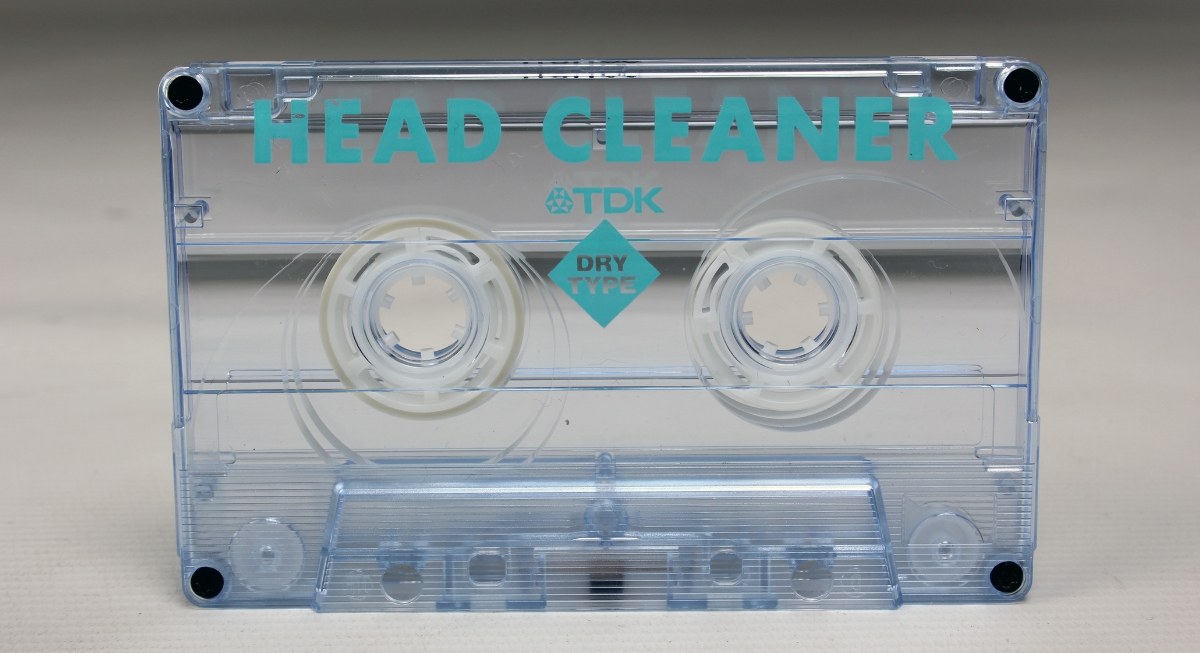
A Cassette Head Cleaner
Credit: Wikimedia Commons
The cassette head cleaner played a vital role in keeping car stereos from destroying family mixtapes. Since cassettes ruled the American music market from 1983 to 1991, dashboard tape decks worked overtime. A quick run with a cleaning tape helped clear away the grime on the tape heads and rollers. It was a dull, routine chore.
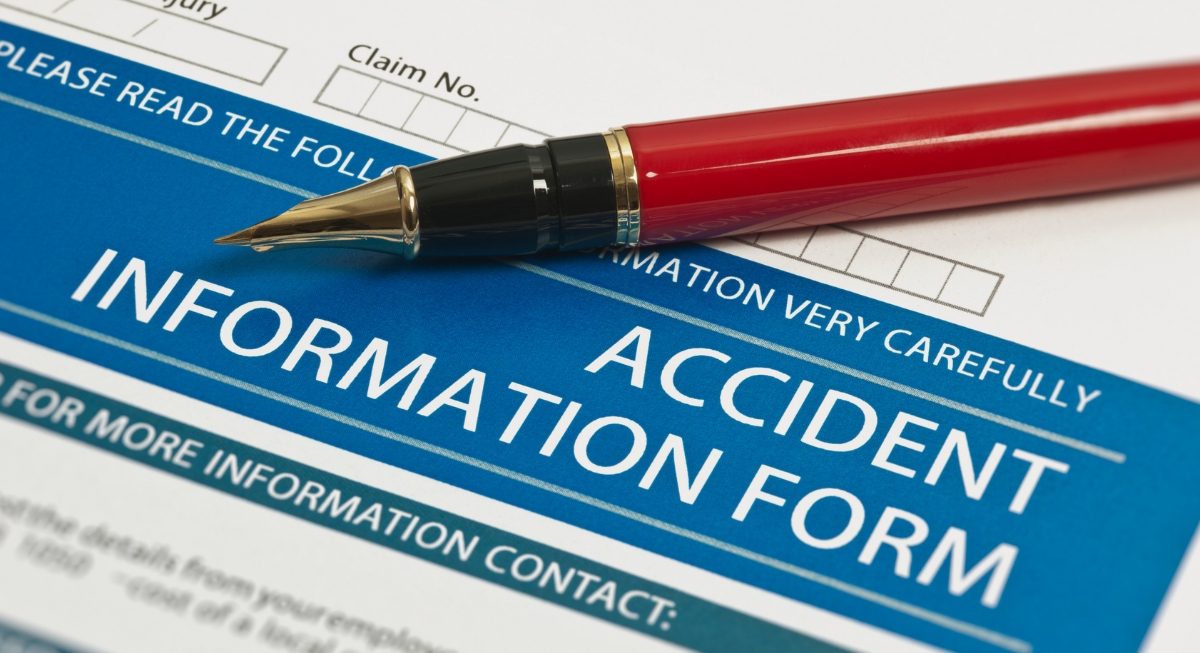
An Accident Information Card
Credit: Getty Images
A small accident information card made more sense in the glove box than a random pen rolling around. Insurance companies and safety groups still recommend keeping accident forms or information cards in the glove compartment, since drivers may need to write down names, phone numbers, policy details, and license plate numbers after a crash. In a 1980s family car, that paper card was perfect for the pre-cell-phone world.
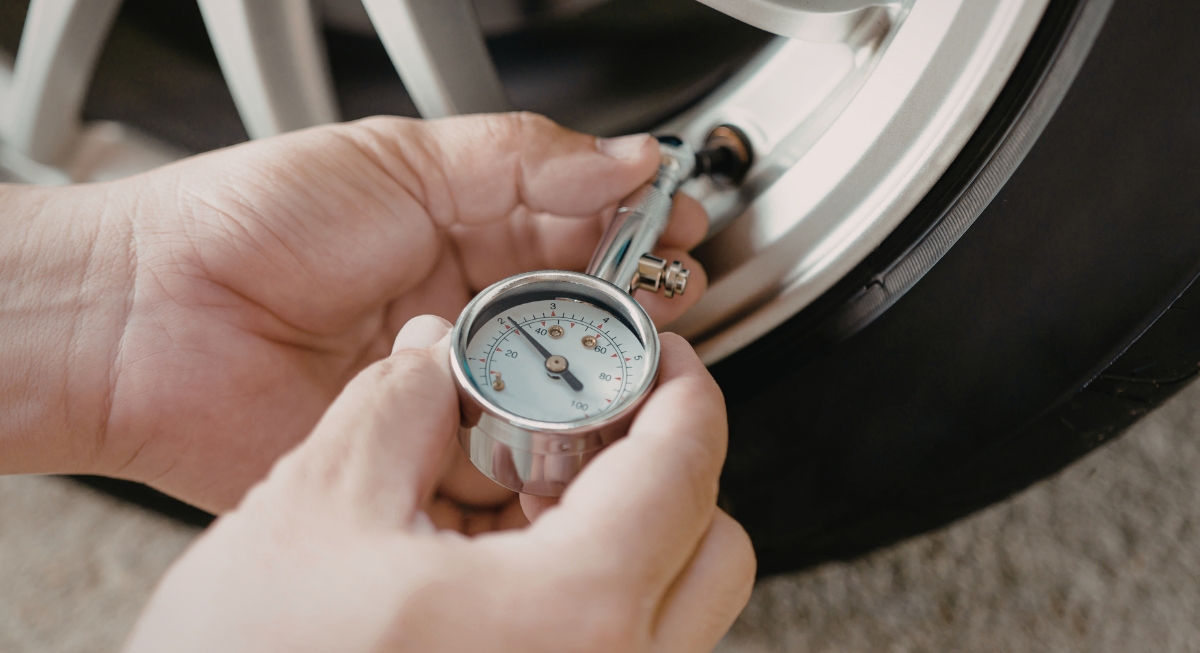
A Tire Pressure Gauge
Credit: Canva
A pencil-style tire pressure gauge gave the glove compartment a practical job. Before tire-pressure monitoring systems became common in newer cars, drivers had to check the air the old-fashioned way at gas stations or in the driveway. The little metal stick slid out to show the reading, then clicked right back into place. Parents kept this handy tool in the car because low tire pressure could affect handling, fuel use, and tire wear.
A Disposable Camera

Credit: Canva
By the late 1980s and into the 1990s, a disposable camera was the perfect vacation item. For families heading somewhere memorable, a cheap point-and-shoot camera was a handy tool. Most shots captured road signs or family picnics, but the true reveal happened at the photo lab. Developing the film brought a few surprises, including accidental dashboard shots and blurry elbows that made the final cut.
Warranty And Service Booklet

Credit: Getty Images
It wasn’t impossible to find a thick packet of paper records next to the owner’s manual in a 1980s glove box. Drivers used these booklets to track maintenance, look up assistance numbers, and verify warranty coverage. When a part failed, you simply handed the paperwork to the mechanic at the shop. While these documents lacked the excitement of a map, they provided a reliable history long before digital apps took over.