12 “Polite” Habits From the 50s That Are Rude Today
People in the 1950s took manners seriously. What you said, how you stood, and even when you spoke all followed unspoken rules. Some of those habits were meant to show respect, but they haven’t aged well. Today, the same behaviors can feel uncomfortable or out of place. Social norms changed, and these once-polite gestures did not make the jump.
Showing Up Without Calling First
Credit: Getty Images
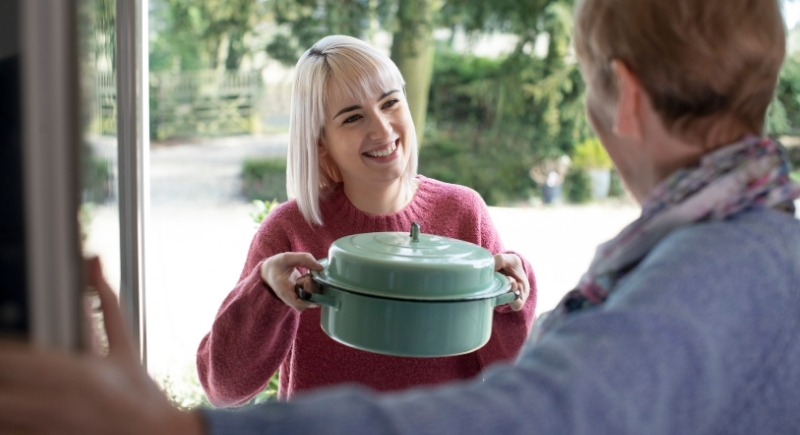
There was a time when neighbors knocked just to chat and maybe drop off a pie. Today, most people freeze when the doorbell rings. That surprise knock has become more of an anxiety trigger than a friendly gesture. With texts and calendars, social visits now need a little more coordination than they did in 1955.
Ordering For Someone Else at Dinner
Credit: Canva
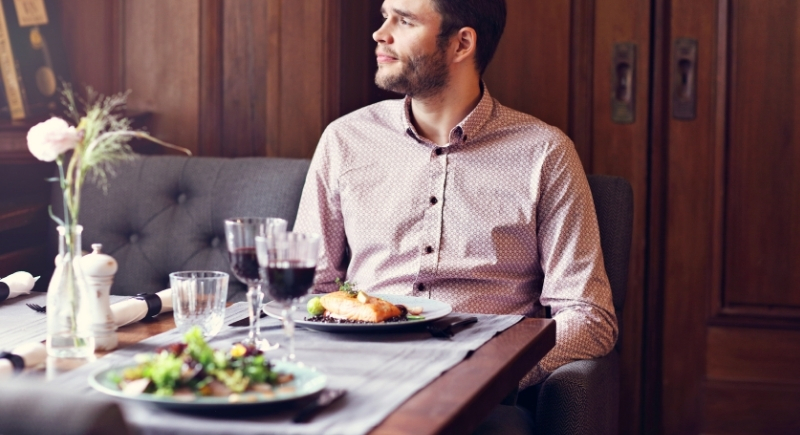
Ordering for someone without checking can now feel awkward or presumptuous, but it wasn’t always like this. In the ‘50s, it was standard for men to order dinner for both people at the table. It was framed as gentlemanly, but things have shifted. Dining together today runs on mutual decision-making, not guesswork and outdated dinner table theatrics.
Calling After 8 p.m.
Credit: Canva
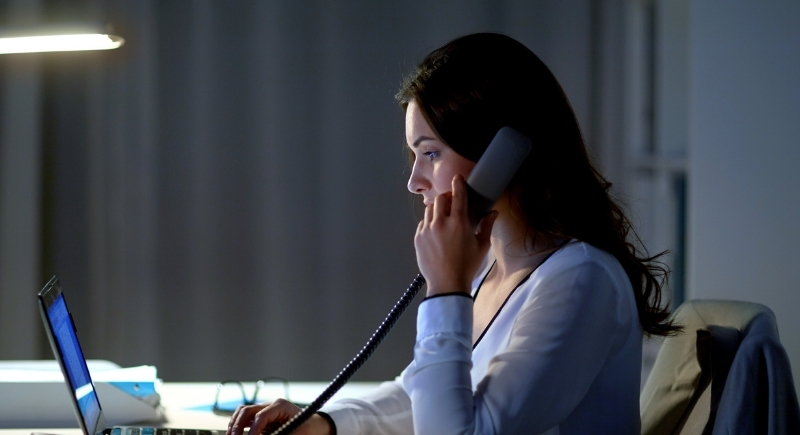
Phones used to be anchored in living rooms, and calling after dinner hours felt like knocking on someone’s door too late. That boundary mostly still exists, but now, texting is the main way to reach people. A surprise call, especially late at night, is often met with concern or ignored.
Men Standing When Women Left the Table

Credit: iStockphoto
Men no longer stand up when a woman leaves the table. In most settings today, no one expects it, and few people would even register its absence. Outside of formal events or very traditional homes, the gesture has faded into the background. It was once taught to boys as a basic sign of respect, meant to signal attentiveness and courtesy.
Pinching a Baby’s Cheeks

Credit: Canva
Older relatives often showed affection by pinching babies’ cheeks or commenting loudly on their size. In mid-century America, that was part of being “good with kids.” Now, most parents prefer strangers and extended family to admire babies from a slight distance.
Dressing Up to Fly
Credit: Canva
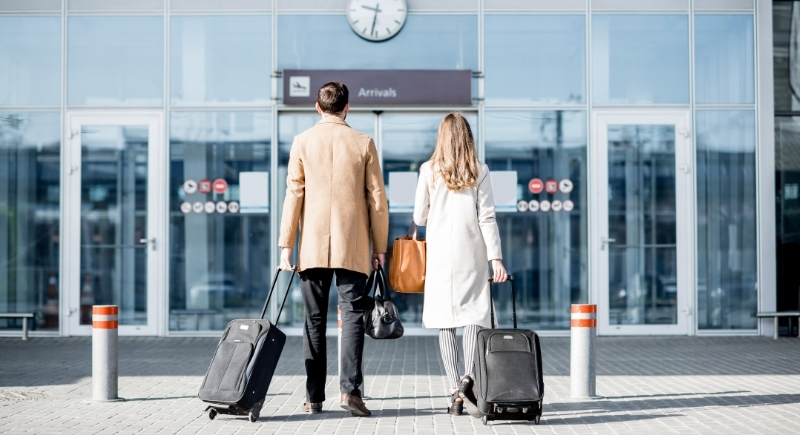
Airline passengers in the 1950s treated flying like a special occasion. Suits, heels, and fresh hairstyles were expected. However, with modern airports often characterized by long lines, delays, and cramped cabins, comfort takes priority. Few would expect someone to dress up just to squeeze into a middle seat.
Men Always Covering the Bill
Credit: Canva
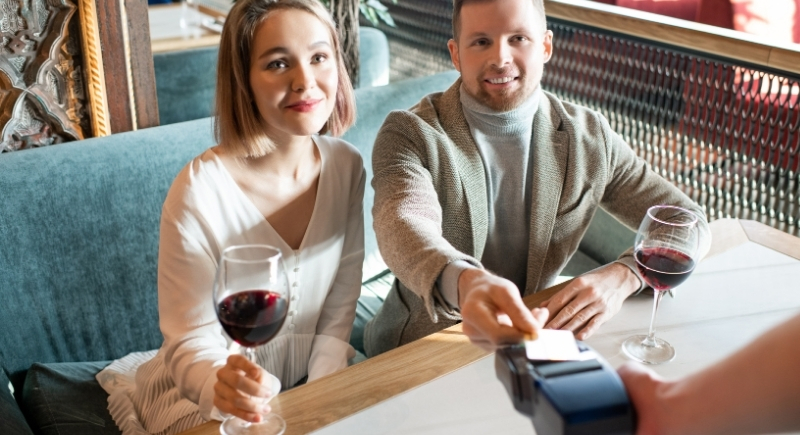
Paying for the entire date used to be the default if you were male. Refusing could be seen as rude or unmanly. But social dynamics have shifted. Plenty of people prefer to split the bill or take turns. It’s more of avoiding outdated expectations tied to gender and money.
Leaving Calling Cards

Credit: Getty Images
Before voicemail and email, people carried printed calling cards to leave behind when they visited. These cards said you stopped by, even if no one was home. That tradition faded quickly as phones became widespread. Today, leaving a card might confuse more than communicate.
Telling Girls to Stay Quiet and Agreeable

Credit: iStockphoto
Advice columns and etiquette books once warned girls not to challenge boys, especially in public. They were told to flatter and defer, not compete. That mindset shaped decades of behavior, but it no longer holds up. Today, encouraging girls to downplay their intelligence or shrink themselves is widely rejected and seen as damaging.
Using Titles for Everyone

Credit: Canva
Calling adults “sir” or “ma’am” was drilled into kids as basic courtesy. Some regions still use it out of habit or tradition. But elsewhere, it can feel overly formal or age-based in a way that’s no longer comfortable. Many now default to using first names, especially in workplaces or casual settings.