5 Historic Predictions for 2025 That Came True (And 5 That Didn’t)
People have guessed at future inventions for centuries, and the late 1800s delivered no shortage of bold ideas. Newspapers, early tech magazines, and fair exhibits painted pictures of tomorrow that were equal parts clever and curious. These ten examples show how often old predictions ended up in unexpected places.
Picture Phones

Credit: Canva
Writers in scientific journals once described a device that could be used for talking, paired with a small viewing panel. The design leaned on new telephone tech and early experiments with photo transmission. The equipment never reached homes in that era. Yet, modern video calling eventually took root in digital cameras, stable networks, and compact displays that work on everyday devices.
Moving Walkways
Credit: Reddit
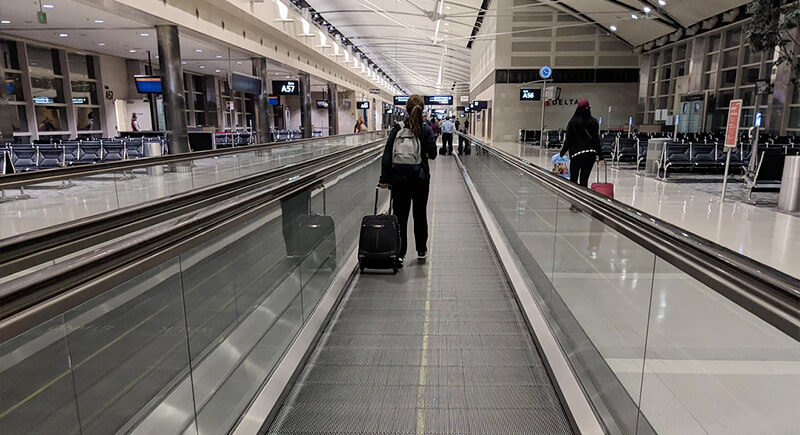
Plans for long platforms appeared in early 1900s fair pamphlets. Designers imagined steady-moving paths that carried crowds through large indoor areas. The original proposals focused on cities, although airports later adopted the concept because terminals continued to expand farther each decade. Walkways ended up serving travelers far more than daily commuters in downtown streets.
Robot Pets
Credit: Canva
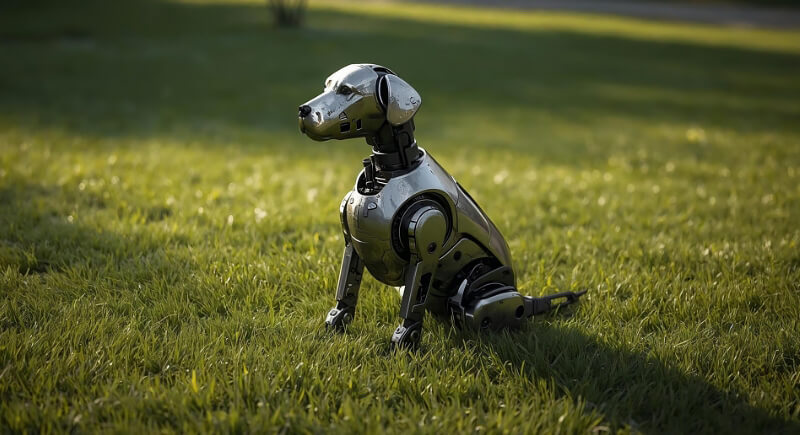
A metal dog on wheels was described in a 1923 account of future playthings. The design stuck to simple movement guided by a magnet. Decades later, companies utilized motors, sensors, and software to develop robotic pets for entertainment and research purposes. The early toy lacked realism, but the idea found a path.
Electric Floor Cleaners
Credit: Canva
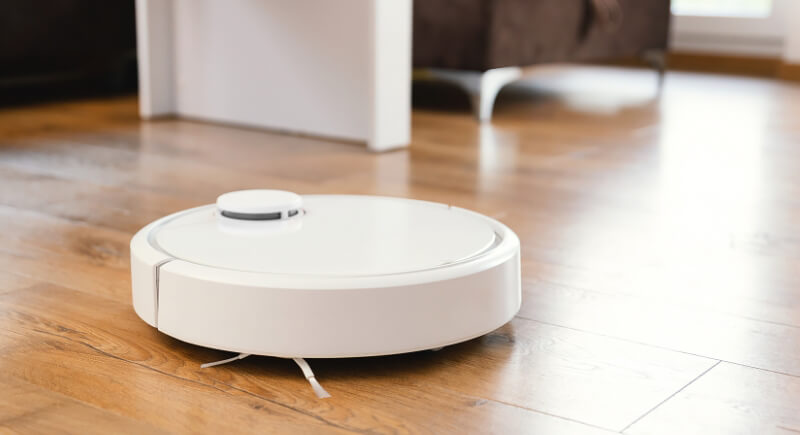
An artist in 1899 envisioned a powered scrubber that rolled across floorboards. The drawing looked heavy and awkward, but it sat close to the arrival of real vacuum cleaners. Those early appliances grew steadily lighter and more efficient. Modern versions later incorporated sensors and small processors that allowed them to run without supervision.
Radio Alarm Clocks
Credit: pexels
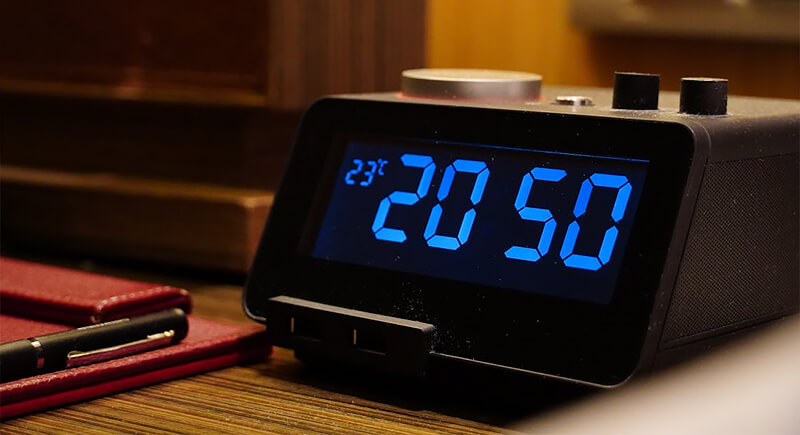
Archibald Montgomery Low proposed clocks that stayed accurate by receiving wireless timing signals. In the United States, synchronized broadcasts eventually came from Colorado and kept clocks aligned nationwide. Networked devices later adopted automated time settings that updated without user input. Low’s idea matched the direction that timekeeping eventually followed.
One-Piece Felt Suits
Credit: theartnewspaper
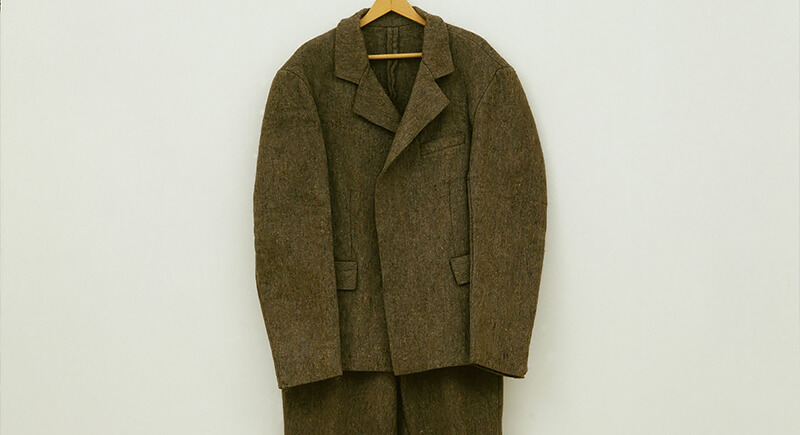
Low also envisioned future clothing as simple, felt outfits that would replace typical wardrobes. He expected the material to serve travel, storage, and daily wear. Fashion trends evolved, but in every direction except for felt suits. Synthetic fabrics did take the fashion industry by storm, but felt suits stayed in drawings and books.
Flying Postmen

Credit: Canva
Drawings from the late 1800s placed mail carriers in individual flying rigs drifting between rooftops. These images originated from the early excitement surrounding engines and gliders. Delivery systems moved in an entirely different direction as aviation matured. Airmail exists, but carriers never hovered outside windows with bags of envelopes.
Global Freezing Anxiety
Credit: Getty Images
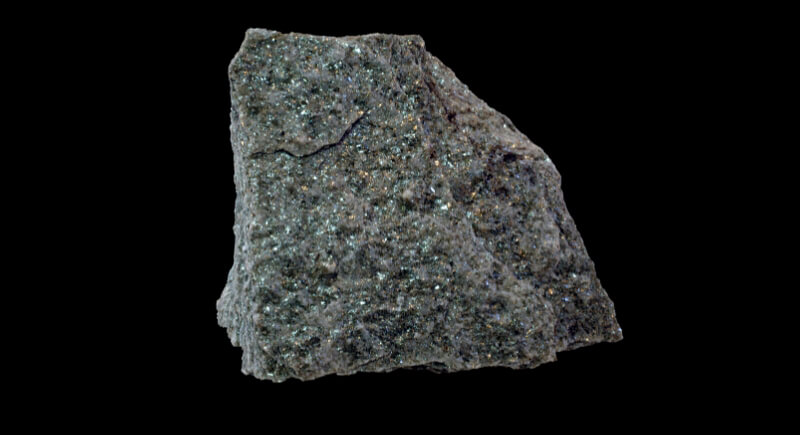
A small group of researchers once claimed that removing radium from the ground could cool the planet. The theory rested on an incorrect link between radium and Earth’s internal heat. Later studies corrected that misunderstanding. Temperature research eventually centered around greenhouse gases instead, and the radium idea slipped into obscure scientific history.
Airports on Rooftops

Credit: pexels
Early aviation illustrations placed runways on tall buildings, as supporters believed busy cities would rely on vertical travel to save space. Engineers studying wind conditions, runway length, and safety needs pushed the idea aside. Large airfields outside city centers became the standard, and rooftop flights ended as an abandoned piece of early aviation optimism.
Electric Friends for Light Work
Credit: pexels
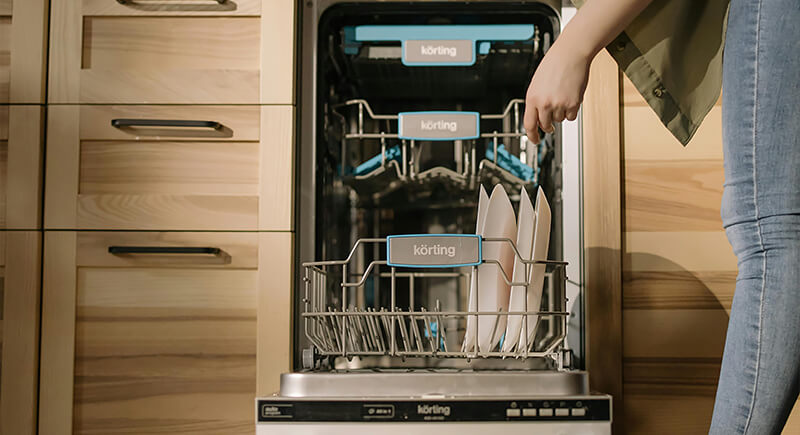
Writers in 1900 once imagined small machines taking over light household tasks using basic motors. Their sketches involved simple actions with little flexibility. Automation later grew into manufacturing robots, dishwashers, laundry machines, and eventually smart tools with sensors. The early pictures didn’t match modern systems, though they hinted at interest in mechanical assistance.