What ‘Breaker, Breaker’ Really Meant: 10 Pieces of the 1970s CB Radio Craze
In the 1970s, road trips often came with an unexpected companion: the CB radio. These short-range devices allowed truck drivers, travelers, and families on the highway to talk to strangers nearby. The trend quickly grew into a cultural phenomenon by bringing its own slang into everyday language, inspiring pop songs, and even influencing Hollywood films. For a brief period, millions of people took part in this shared “highway conversation” that connected drivers across long distances.
Breaker, Breaker
Credit: Getty Images
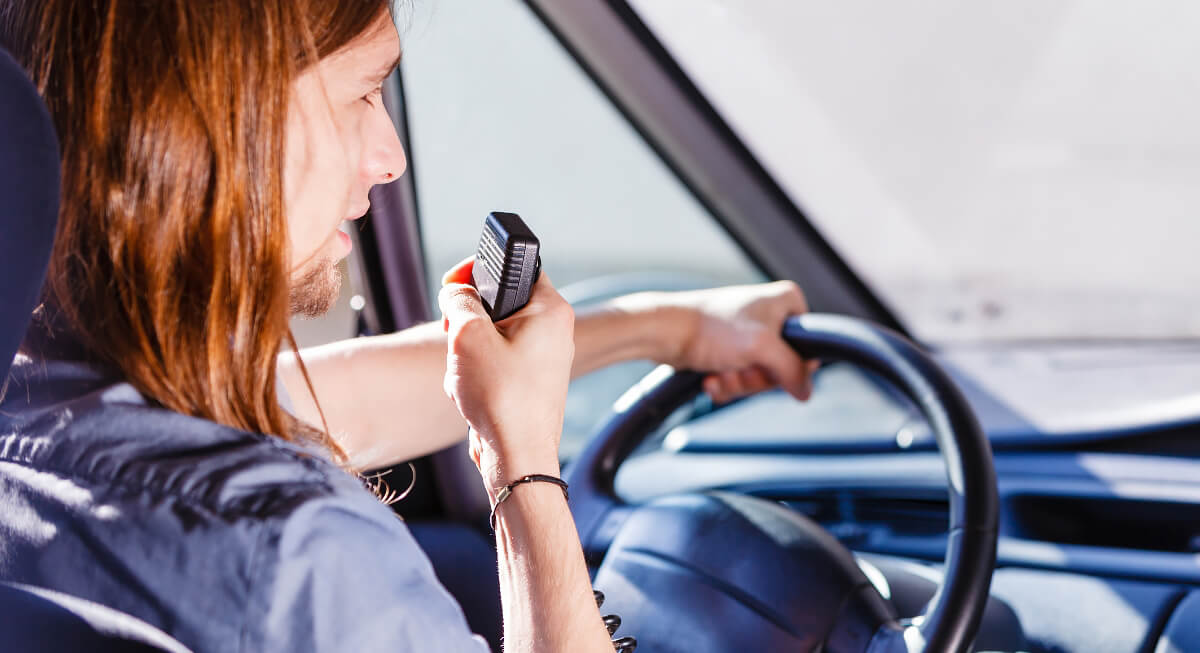
Hearing “breaker” on a CB radio meant someone wanted to join the conversation. The phrase served as a polite introduction on busy channels, where many voices were present. Drivers used it to check in before speaking. The expression became so popular that even people without radios recognized it. Long after the CB craze faded, “breaker, breaker” remained one of the most famous radio terms in America.
Channel 19
Credit: Youtube
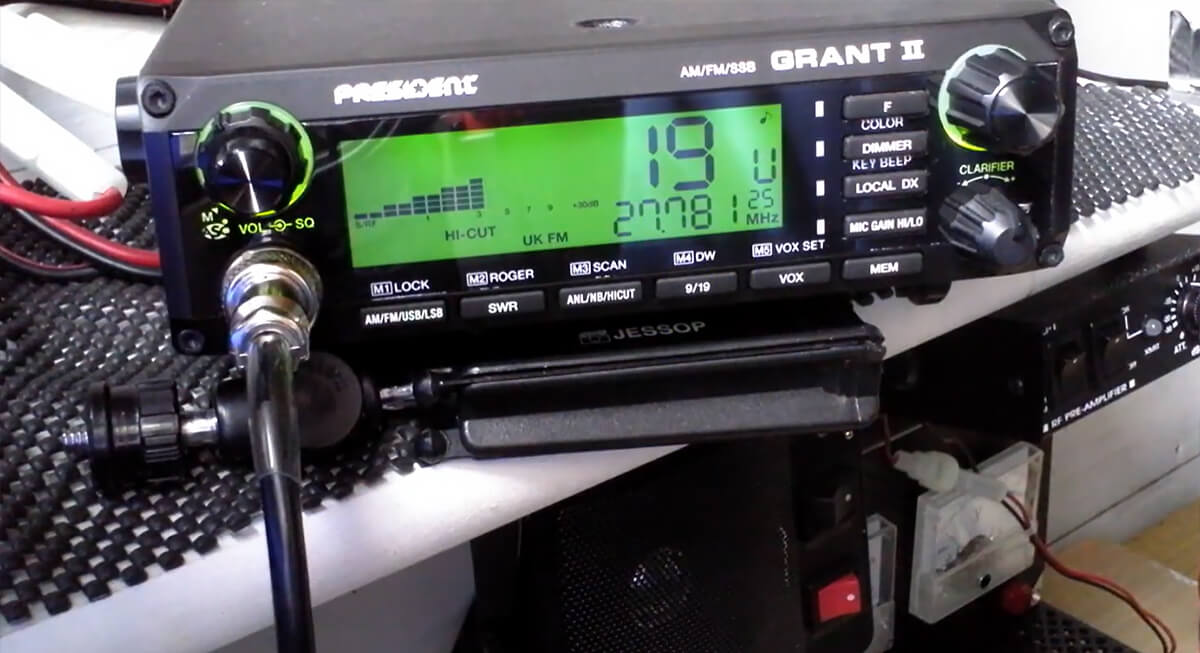
Drivers looking for traffic updates used to know exactly where to tune in. Channel 19 served as the nation’s unofficial road information station where motorists shared news about accidents, construction, bad weather, and fuel stops. This teamwork allowed travelers to discover upcoming traffic jams early. During the height of CB radio popularity, the channel provided a live, helpful information network run by everyday drivers.
Radio Nicknames
Credit: Africa Images
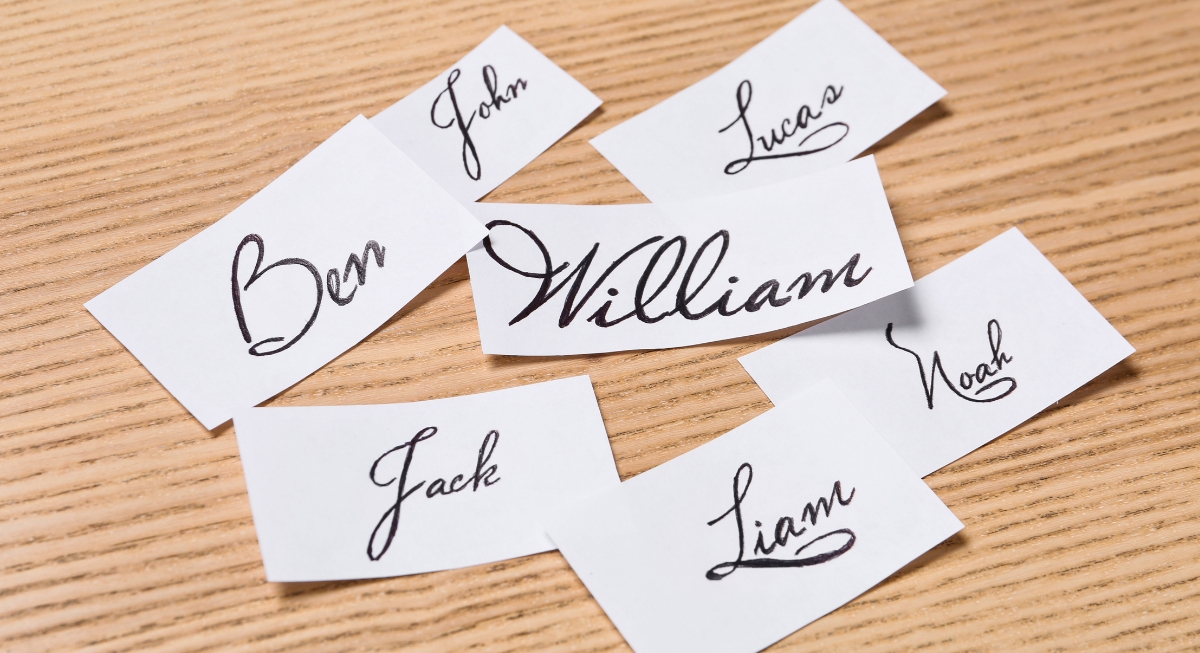
Nobody wanted to sound ordinary over the radio. People chose colorful nicknames called handles. These names ranged from playful to serious, often showing a person’s job, hometown, or hobbies. A truck driver might pick a road name, while a teenager might make up something fun. This helped voices stand out and made everyday speakers much easier to remember.
Gas Shortages
Credit: pexels
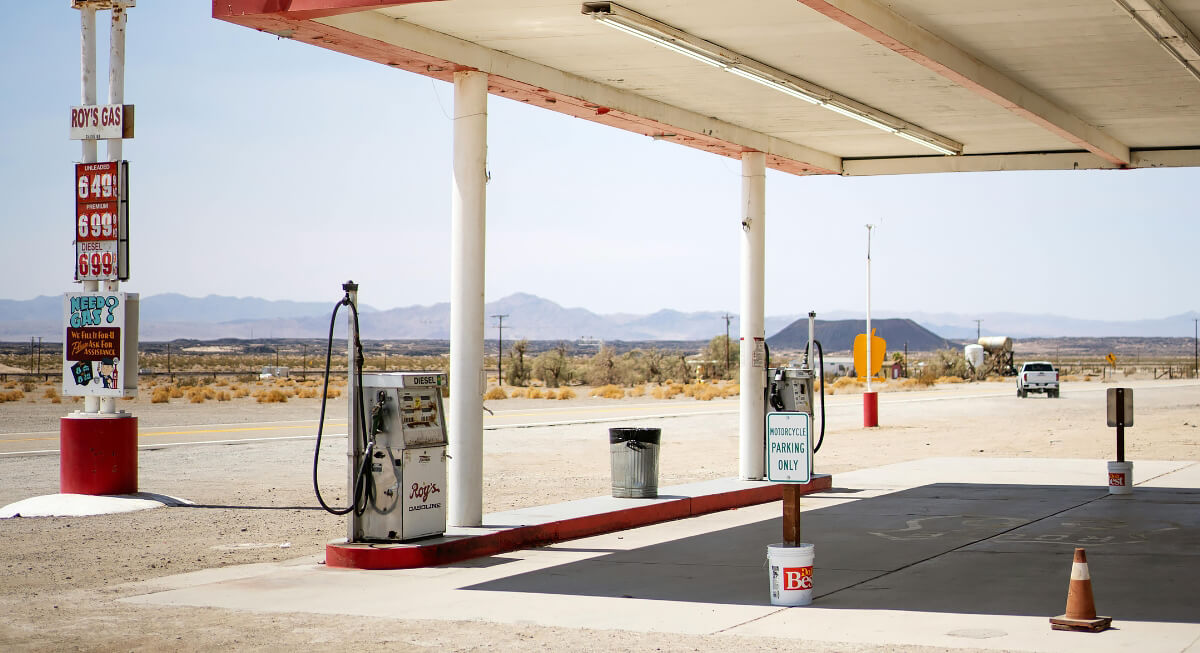
During the 1973 oil crisis, finding gasoline became incredibly difficult. Drivers desperately needed to know which stations had fuel and how long the lines were. Since truckers had already been using CB radios to share news, everyday motorists started listening in. Fuel updates traveled across the airwaves much faster than official reports, and millions of regular drivers installed CB radios in their own cars for the first time.
The 55-Mph Era
Credit: Youtube
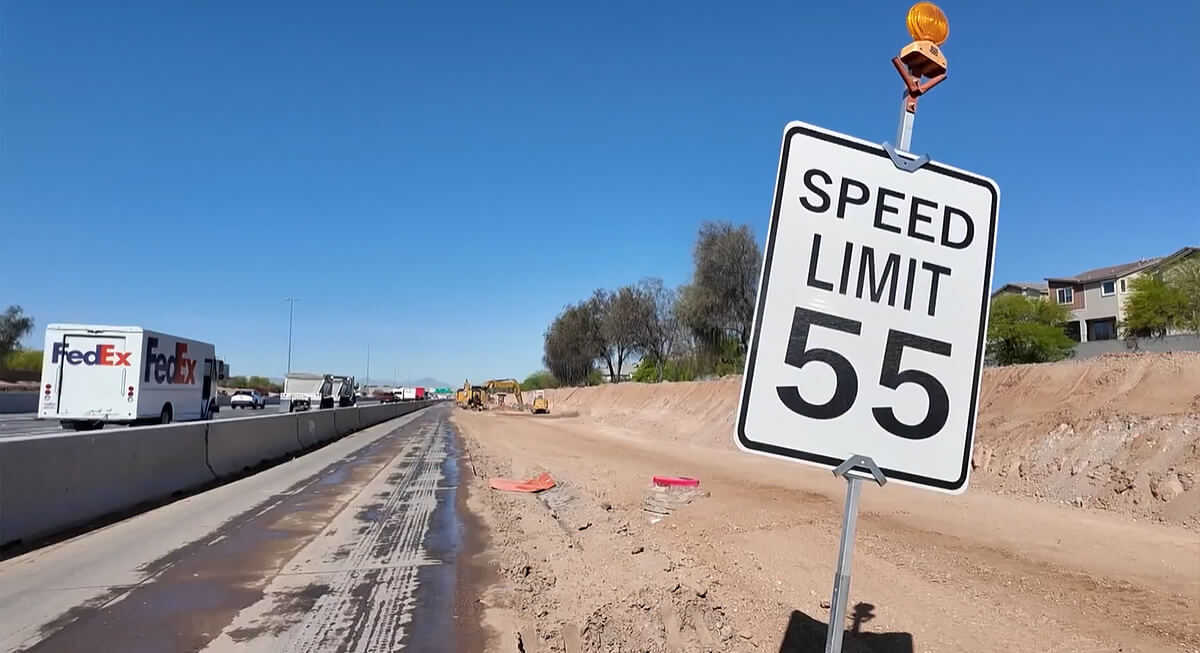
America introduced a national 55-mph speed limit in 1974 to save fuel. Many drivers hated the slower speed, particularly on wide-open highways. Travelers turned to CB radios to vent their frustration, share traffic updates, and warn each other about police speed traps. Truckers started forming long convoys and using radio chatter to share road news and coordinate travel across long distances.
Smokey
Credit: Canva
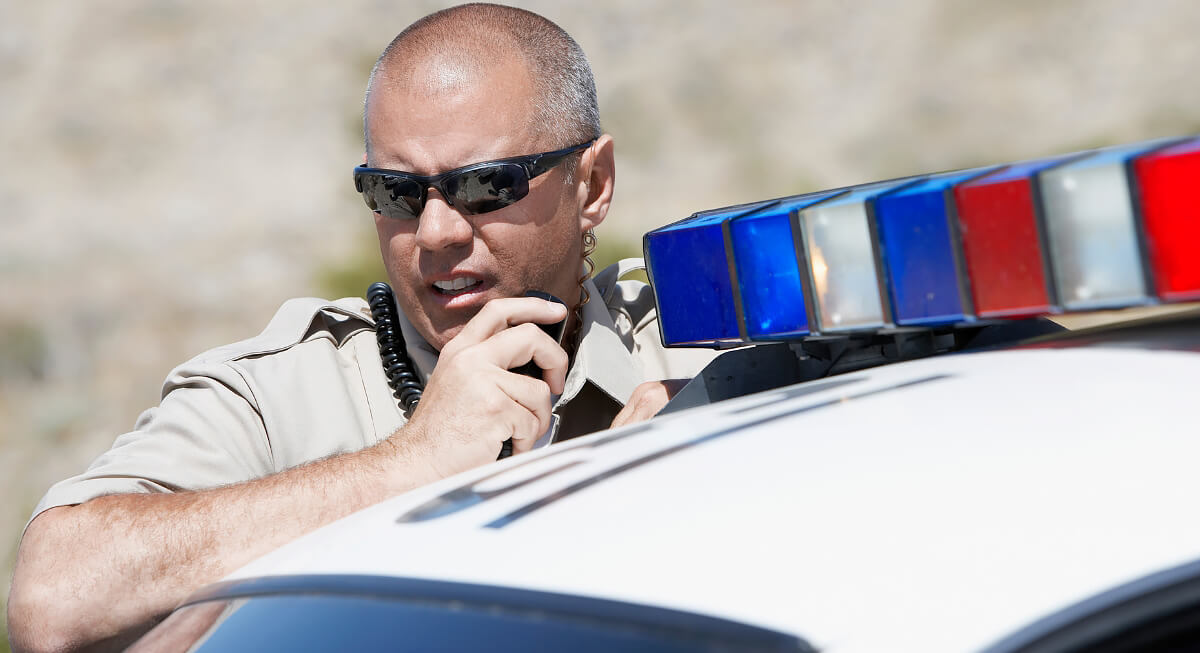
New CB radio users had to learn that “Smokey” meant a police officer, not a campfire. The nickname came from highway patrol hats that looked like Smokey Bear’s hat. Drivers also warned each other about a “Kojak with a Kodak,” meaning an officer using radar. These colorful phrases became popular during the 1970s.
The Language
Credit: Canva
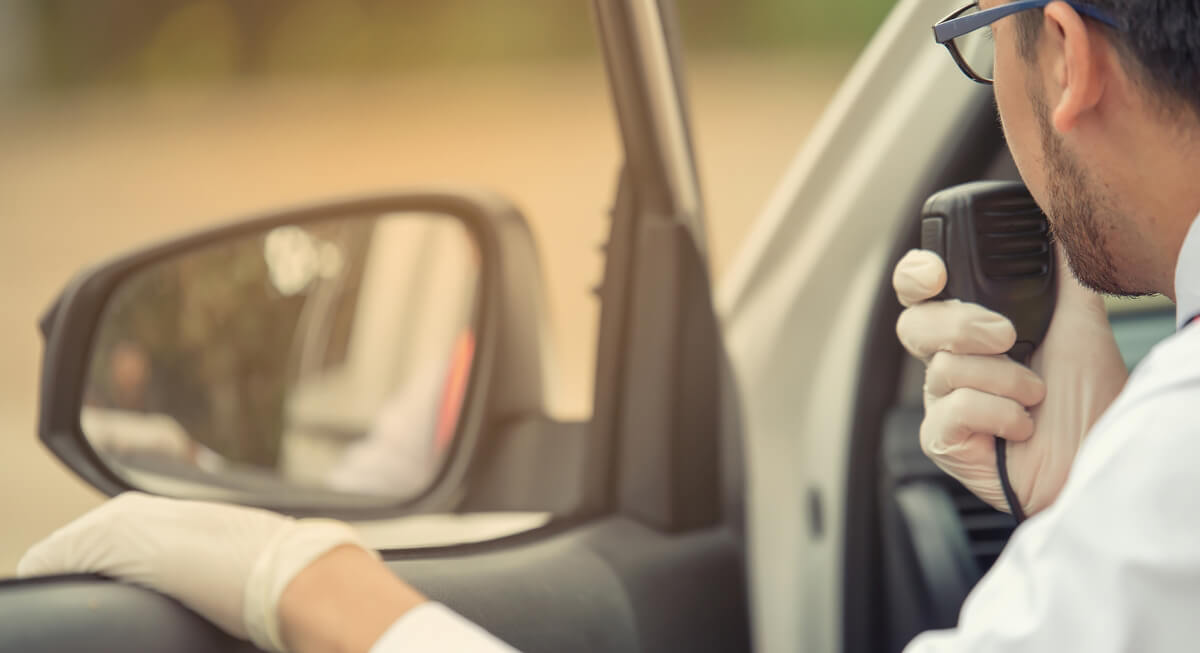
Learning CB radio slang required regular practice. Terms like “Roger” meant a message was received, while “negatory” meant no. Drivers requested a “20” to ask for someone’s location and used codes like “10-4” for acknowledgment. Frequent users spoke in a unique language that confused outsiders.
Convoy
Credit: ebay
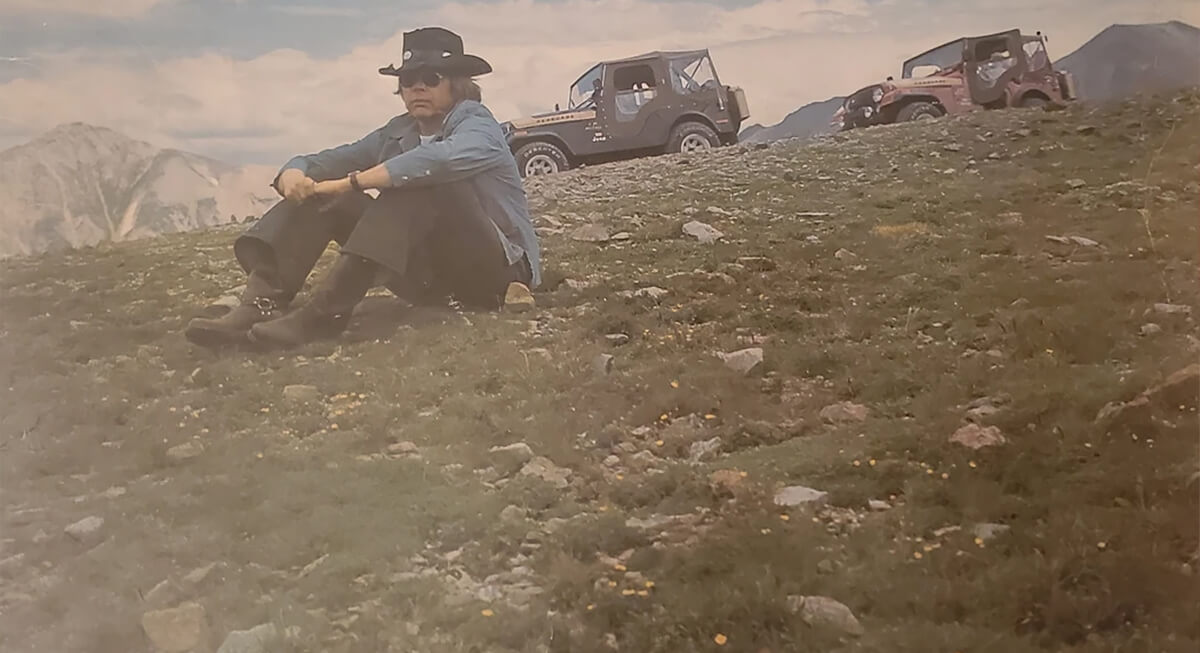
C.W. McCall’s hit song Convoy topped the music charts in 1976 and introduced unique highway slang to millions of listeners. The lyrics described truckers talking to each other as they drove down the open road. People bought the record in huge numbers. Suddenly, casual phrases used at truck stops became popular sayings in regular households nationwide.
Movies And TV
Credit: IMDb
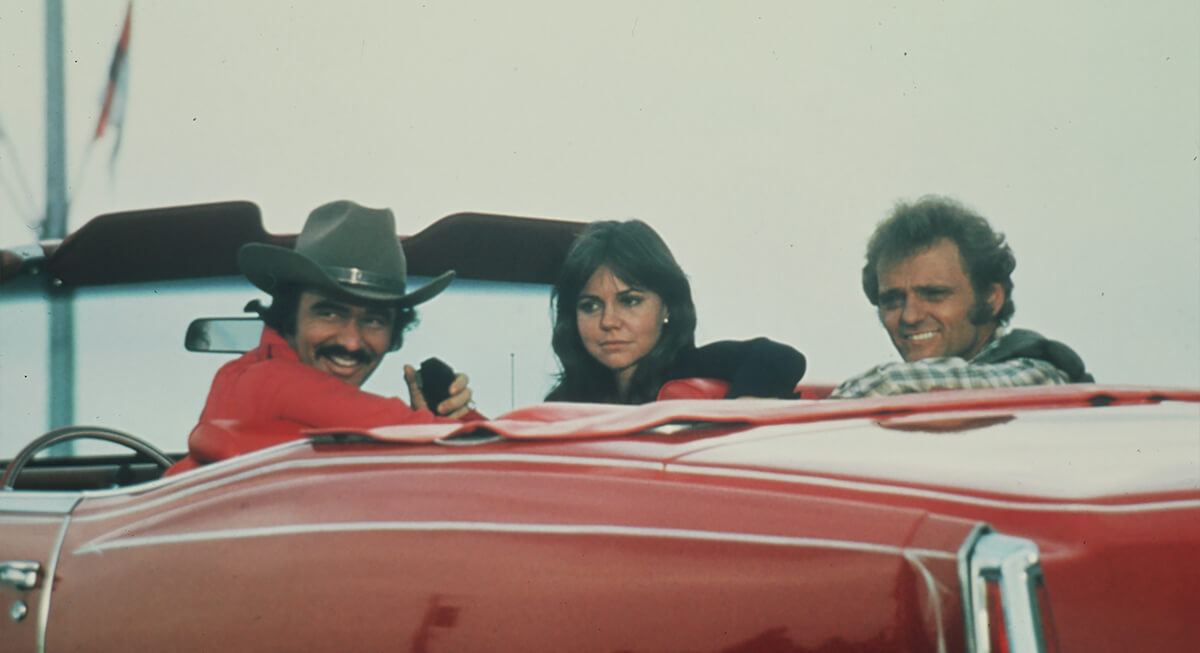
Entertainment companies noticed the public’s love for CB radio culture. The 1977 movie Smokey and the Bandit made radio chatter a main attraction. Two years later, the television show The Dukes of Hazzard used similar Southern driving themes. CB radios fit into fast chase scenes and highway adventures. Their frequent appearances on screens boosted a popular hobby.
A Search For Connection
Credit: Canva
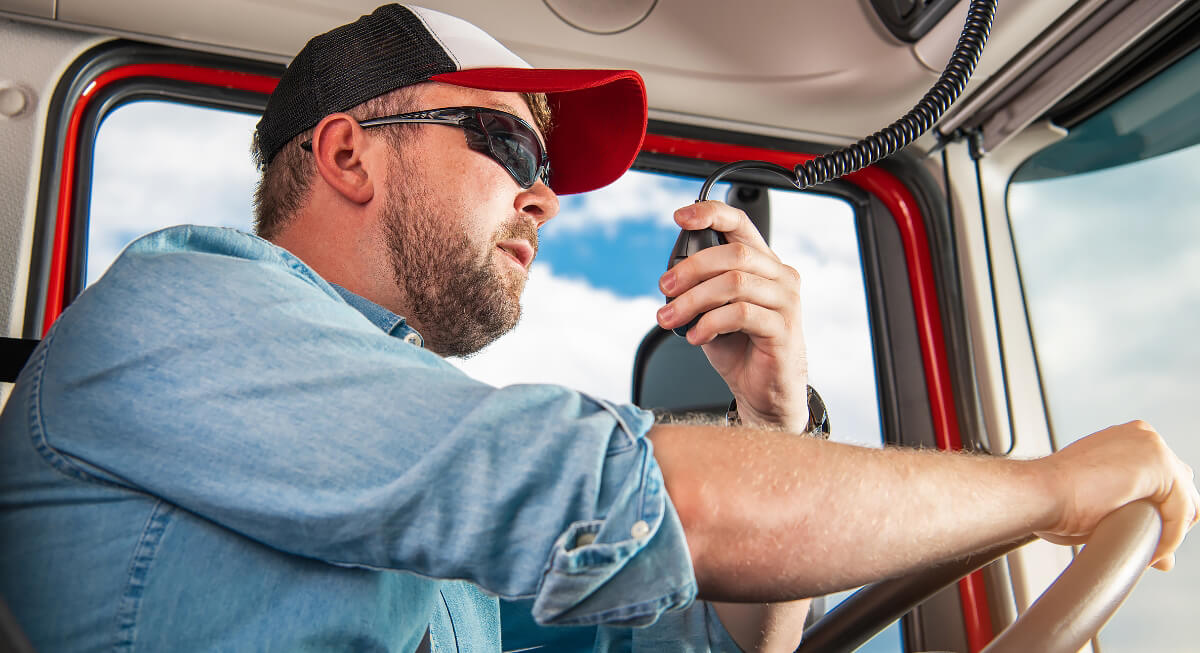
Millions of CB radios were sold, but the true appeal went beyond the tech. Americans were facing high inflation, political stress, and social change. Talking over the airwaves offered a safe way to connect with strangers. Drivers shared traffic updates, told jokes, and passed the hours together. This simple tool gave lonely people a strong sense of community during an uncertain era.