15 Surprising Things Vinegar Can Ruin Instead of Clean
Vinegar has long been the go-to solution for tackling everything from grimy countertops to smelly drains. Its reputation as a miracle cleaner is well-earned, but it’s not as foolproof as you might think. The truth is, vinegar’s acidic nature can do more harm than good in certain cases. Today, we’re diving into the surprising things vinegar can ruin instead of clean, so you don’t learn the hard way.
Natural Stone Surfaces

Credit: pexels
If you’ve invested in marble or granite countertops, keep vinegar far, far away. The acid reacts with the stone, causing etching that leaves dull spots and a rough texture. Instead, stick with cleaners made specifically for natural stone. It’s worth the extra effort to protect that elegant finish.
Hardwood Floors

Credit: pexels
Vinegar might seem like a simple solution for cleaning your floors, but it’s anything but. The acidity strips the protective finish, leaving your hardwood vulnerable to scratches and stains. Use a cleaner designed for wood floors to keep them shining and intact for years to come.
Waxed Furniture
Credit: pexels
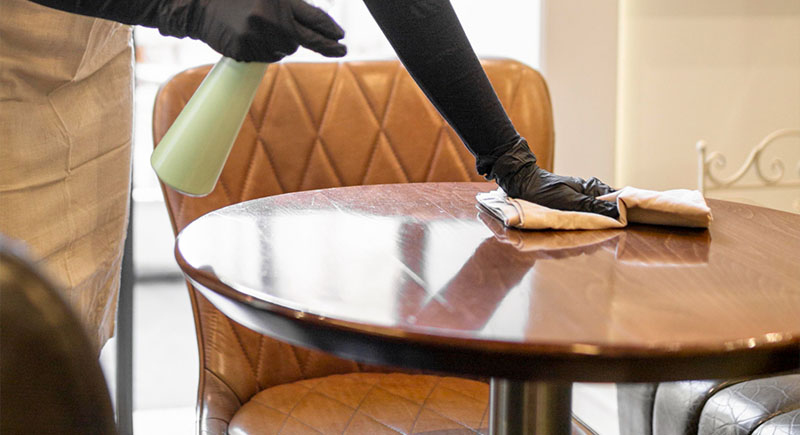
Think twice before using vinegar on that glossy, waxed table. It doesn’t just remove dirt—it also eats away at the wax itself, leaving your furniture exposed and lifeless. A good furniture polish is a much better choice for maintaining that warm, inviting sheen.
Electronic Screens

Credit: pexels
While vinegar works wonders on glass, it’s a disaster for electronic screens. It can strip away protective coatings, making your devices more prone to scratches and fingerprints. Stick with a microfiber cloth and a little water for a streak-free shine on your gadgets.
Kitchen Knives
Credit: pexels
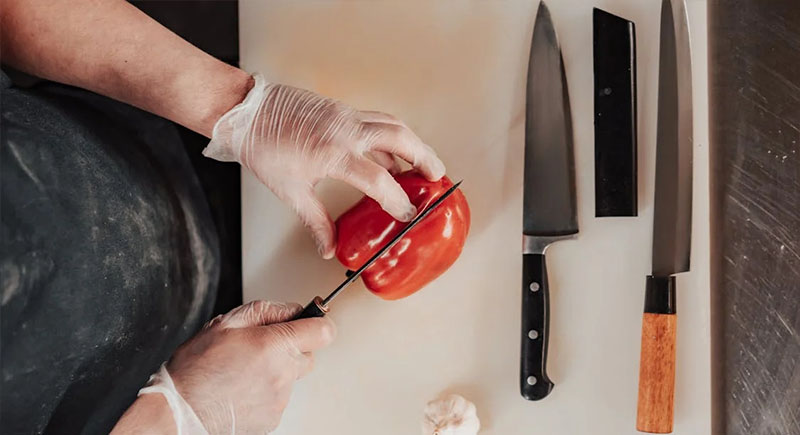
Cleaning knives with vinegar might sound smart, but it’s a recipe for rust and dull blades. The acid corrodes metal over time, and nobody wants a knife that’s neither sharp nor shiny. A quick wash with soap and water, followed by thorough drying, keeps your knives in top shape.
Dishwashers and Washing Machines
Credit: pexels
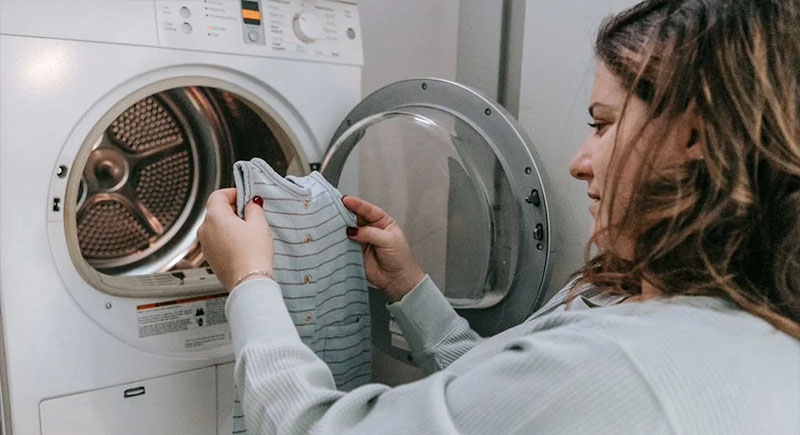
Some people swear by vinegar for cleaning appliances, but overuse can break down rubber seals and hoses. This can lead to leaks—and expensive repairs. Instead, rely on manufacturer-approved cleaning methods to keep these household workhorses running smoothly.
Egg Spills
Credit: pexels
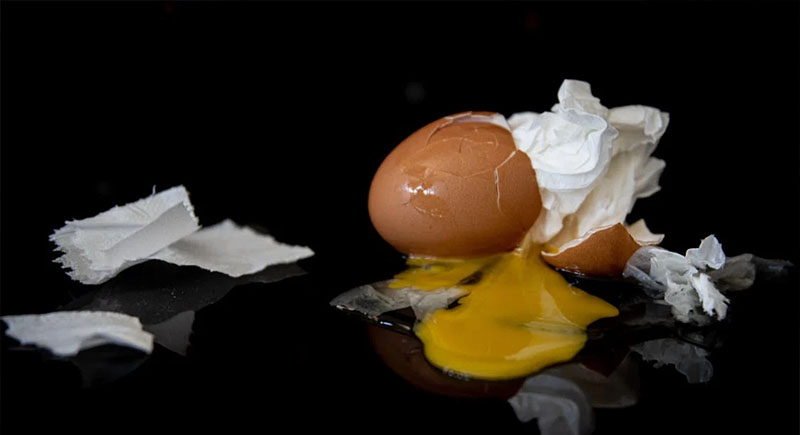
If you drop an egg and instinctively reach for vinegar, stop right there. The acid causes the proteins in the egg to clump together, making the mess even harder to clean. Cold water and a sponge will save you a lot of scrubbing.
Irons
Credit: freepik
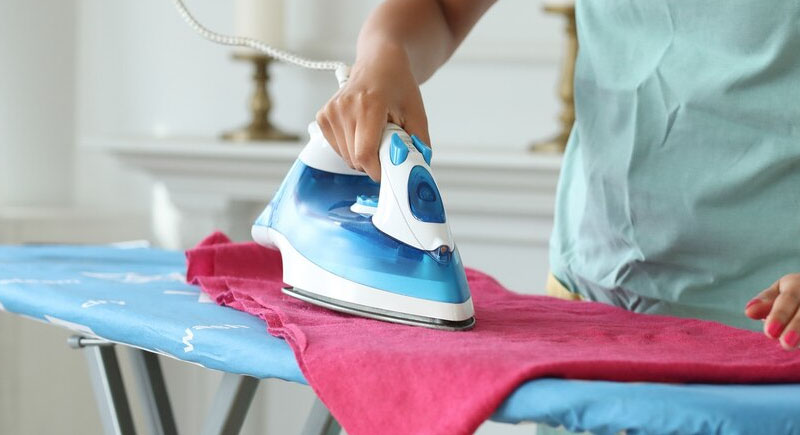
Pouring vinegar into your iron to clean it might seem clever, but it can wreak havoc on the internal components. This is especially true for modern irons with specialized coatings. Instead, follow the manufacturer’s cleaning instructions to keep your iron in perfect working order.
Aluminum and Cast Iron Cookware
Credit: freepik
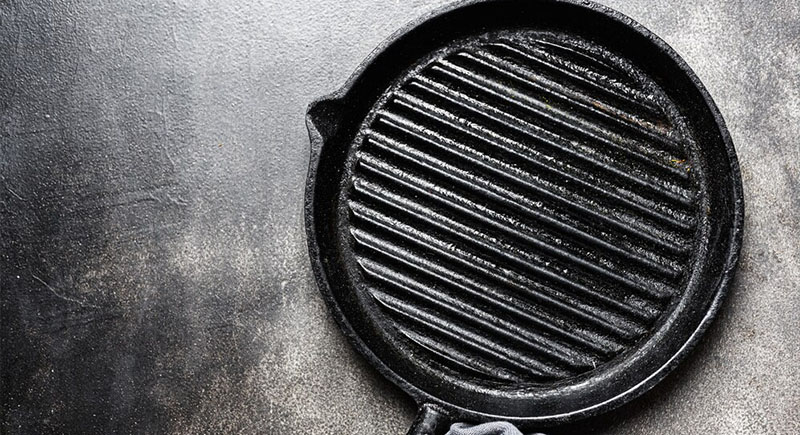
Vinegar can tarnish aluminum and strip the seasoning off cast iron pans. For aluminum, stick to soap and water. For cast iron, a quick rinse and a light re-seasoning after each use will keep your cookware in excellent condition.
Rubber Materials
Credit: pexels
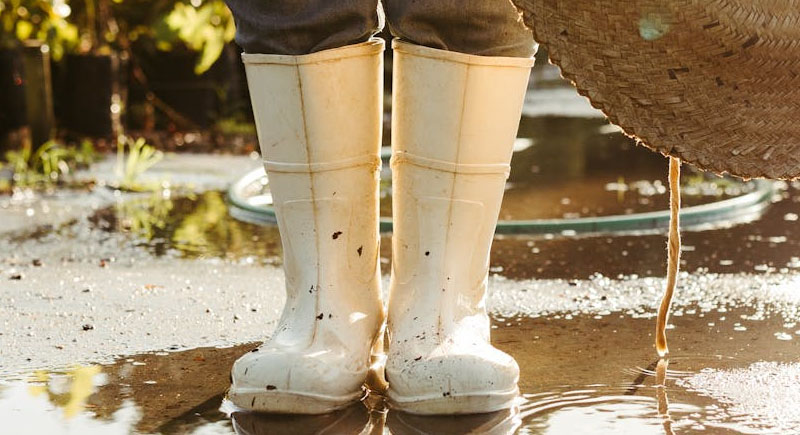
Using vinegar on rubber seals, gaskets, or other rubber components can cause them to deteriorate faster than you’d expect. Over time, they become brittle and prone to cracking. To avoid this, opt for mild cleaners designed for rubber or silicone materials.
Certain Floor Tiles
Credit: pexels
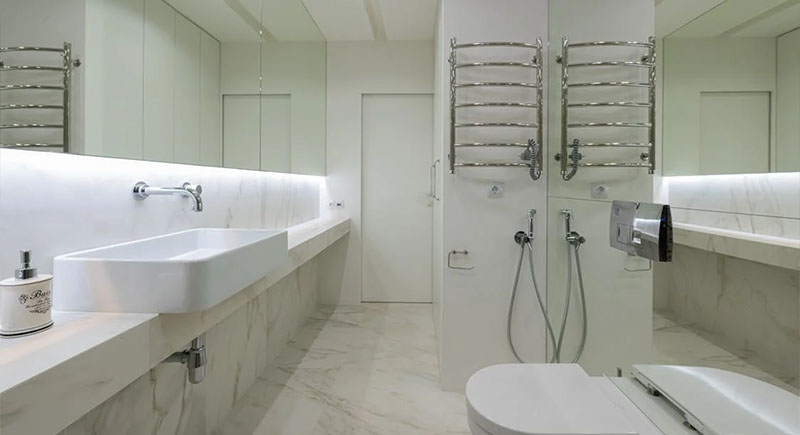
While vinegar is a favorite for cleaning many surfaces, it’s too harsh for certain types of tile, particularly those with a glossy or natural stone finish. Over time, it can dull the surface and cause discoloration. A tile-safe cleaner is a much smarter choice here.
Grout
Credit: freepik
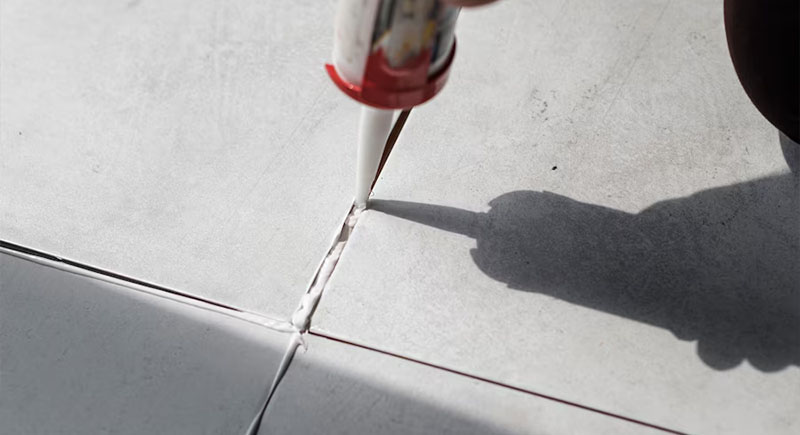
Vinegar and unsealed grout are not friends. The acid erodes the grout, leaving it weak and prone to crumbling. Even if your grout is sealed, regular use of vinegar can break down the sealant. A pH-neutral cleaner works best to keep grout lines looking fresh.
Mirrors

Credit: freepik
Cleaning mirrors with vinegar may seem harmless, but it can lead to streaks and dark spots if the liquid seeps behind the glass. This damages the reflective backing over time. For a flawless shine, stick to glass cleaners or even a mix of water and a drop of dish soap.
Painted Surfaces
Credit: freepik
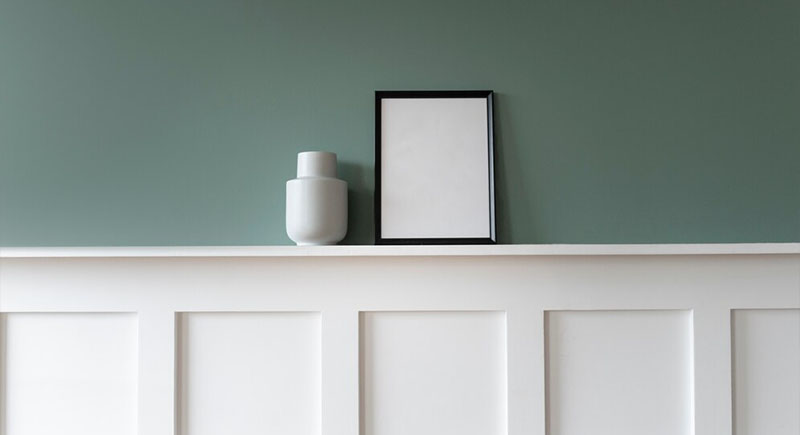
Using vinegar on painted walls or furniture can weaken the paint, leading to peeling or discoloration. If you’re dealing with smudges or marks, try a gentle soap and water solution instead. It’s much kinder to the finish and won’t leave you regretting that shortcut.
Pet Stains on Carpets
Credit: Reddit
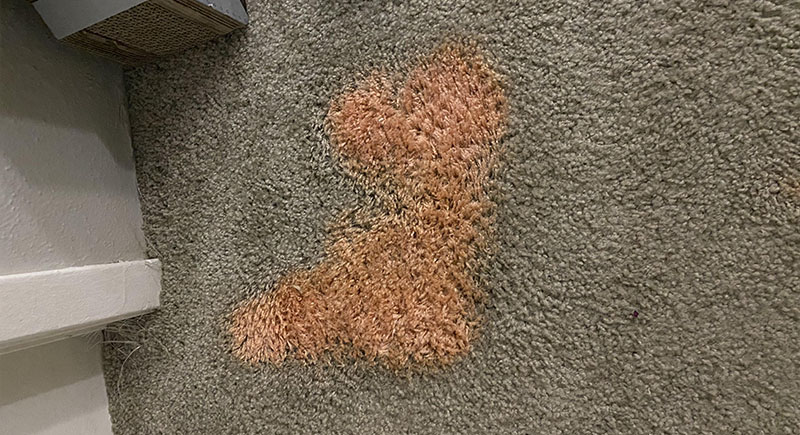
Vinegar is often touted as a cure-all for pet accidents, but it’s not always the best option. While it might neutralize odors temporarily, it can set stains deeper into carpet fibers. Enzymatic cleaners specifically made for pet messes do a much better job at eliminating both stains and smells.