10 Hidden Gems From the 90s That Were Way Ahead of Their Time
The 1990s produced many classics. Jurassic Park made computer-generated spectacle feel believable. Pulp Fiction changed crime stories. It’s hard to forget the Titanic, a box-office landmark, and The Matrix that pushed simulation theory into mainstream pop culture. Those titles earned their place, but many of the era’s most interesting films were left out of the spotlight because of them. They found audiences later through video stores, cable reruns, college dorm recommendations, and viewers willing to take a chance on something slightly off-center.
Looking back now, these movies were ahead of their time.
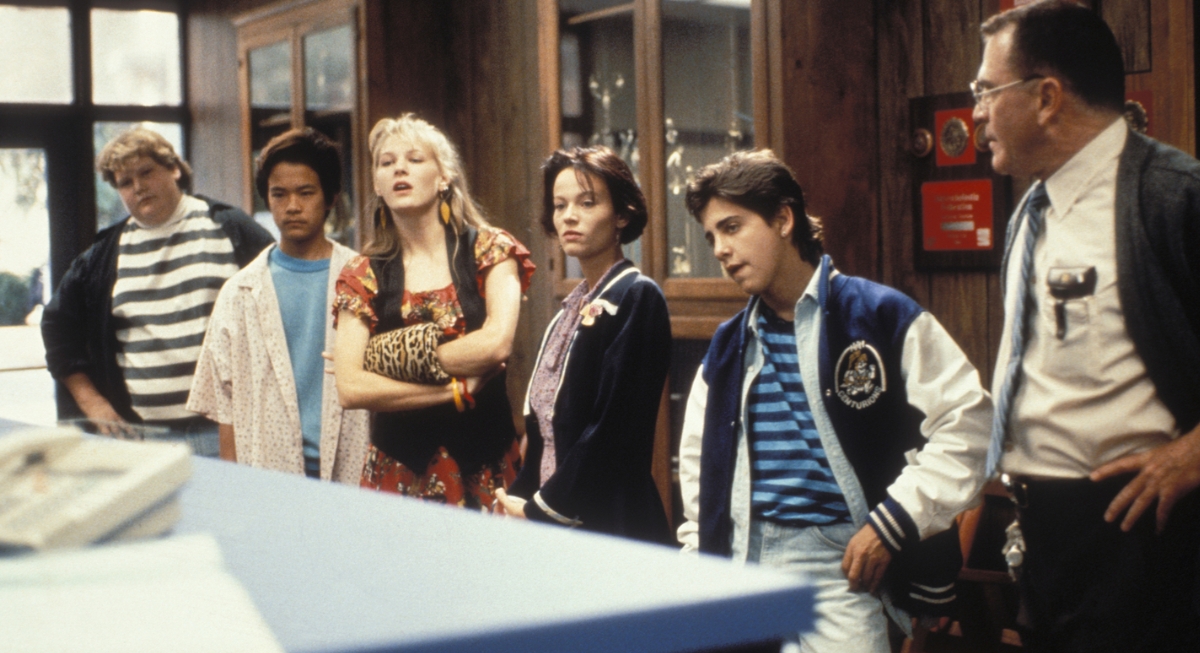
Pump Up The Volume
Credit: IMDb
This film showed how a pirate radio signal could voice teenage frustration. Christian Slater plays Mark Hunter, a withdrawn student who becomes “Hard Harry” after school, broadcasting from his basement to classmates who feel ignored by adults. Mark isn’t a perfect hero. He is angry, funny, and lonely, which makes his growing fame dangerous. He says what others are afraid to voice, but it also exposes his personal pain.
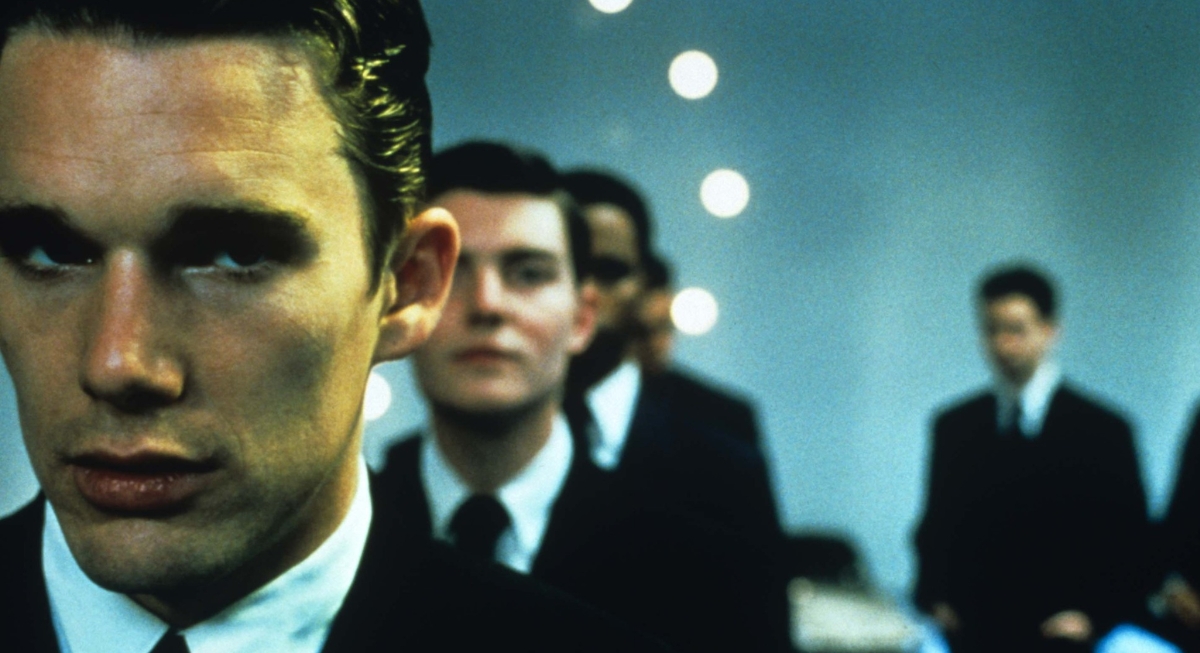
Gattaca
Credit: IMDb
Gattaca connects to debates about DNA testing, profiling, and biometric data. It envisions a future of spotless offices, blood tests, job interviews, and exclusion. Ethan Hawke plays Vincent Freeman, a man born without genetic selection in a society that ranks people before they can prove themselves. His dream of becoming an astronaut is dismissed because his biology has already been treated as a complete résumé. The film is powerful because the discrimination looks so ordinary. A stray eyelash or a skin cell can expose Vincent’s identity in a world where constant surveillance is accepted as common sense.
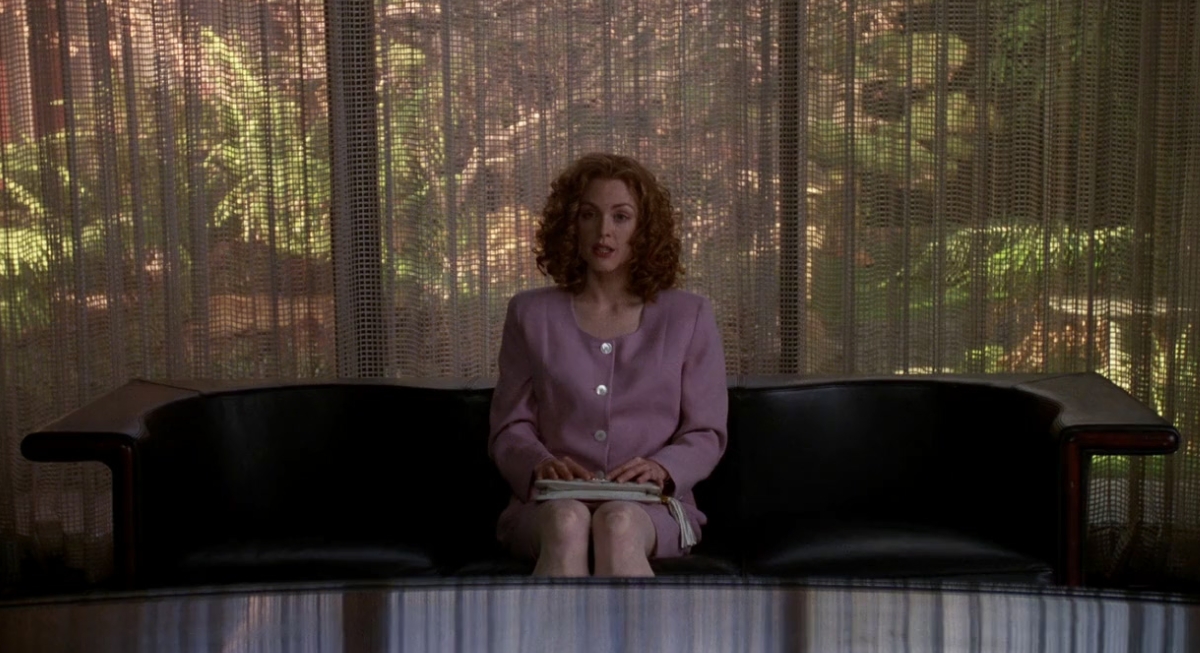
Safe
Credit: IMDb
Julianne Moore’s character, Carol White, begins the film with a life built on comfort and routines. Then, her body starts reacting to chemicals, food, and air, but doctors and family cannot explain why. The director keeps the film restrained, which makes Carol’s decline feel more disturbing. The rooms are bright, and the conversations are calm, so the fear comes from subtle physical reactions rather than typical horror-movie scenes. Her search for a cure in a desert wellness community feels like a modern look at environmental illness and the lonely search for answers when medicine offers no certainty.
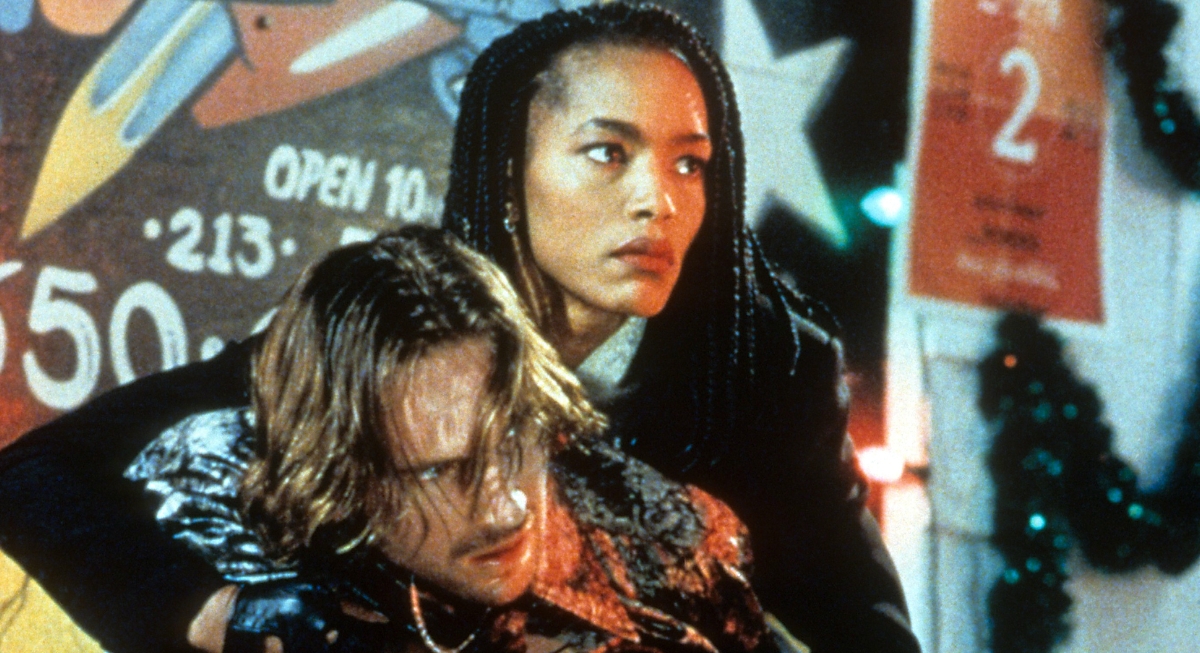
Strange Days
Credit: IMDb
Strange Days imagines a black-market device that lets people experience recorded memories through someone else’s senses. It is a crime thriller in which memory is treated as a commodity and violence is turned into entertainment. While the technology is old-fashioned cyberpunk sci-fi, the behavior is familiar. The story deals with the hunger to watch recorded brutality and voyeurism. Ralph Fiennes plays an ex-cop selling these recordings to people who want a thrill without any risk, while Angela Bassett’s character provides the moral center, seeing the human cost behind the footage.
Dark City
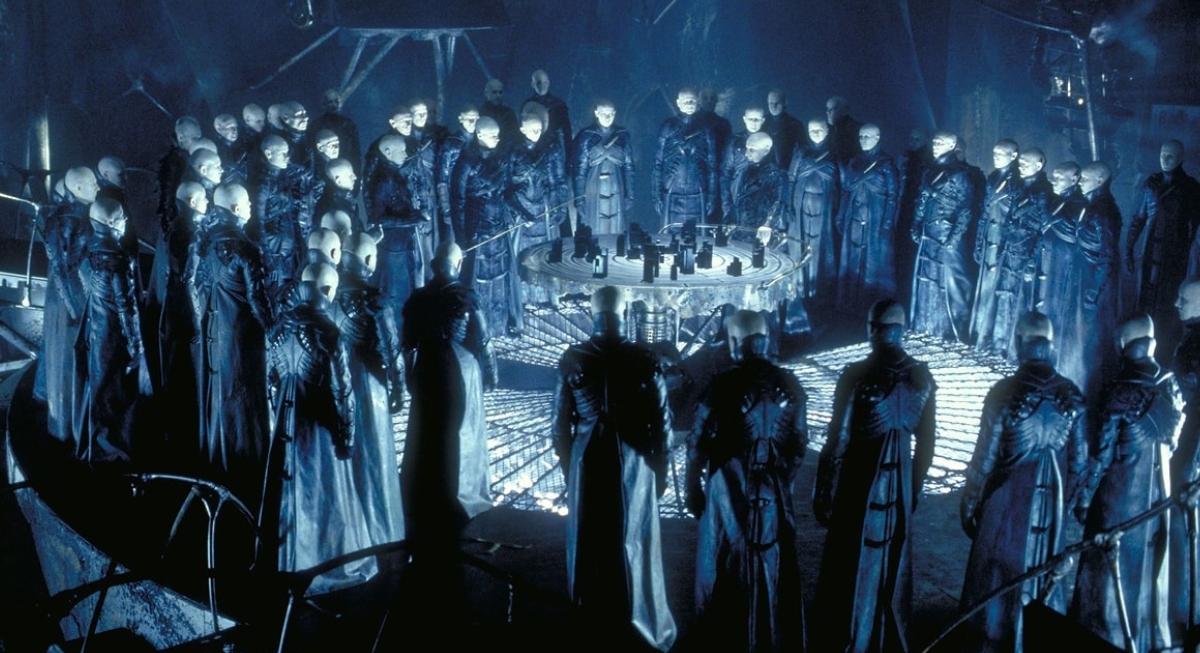
Credit: IMDb
John Murdoch wakes up without his memory and finds himself accused of murder in a city that physically rearranges itself at night. Buildings stretch, and streets change as people are forced into new lives they didn’t choose. The film’s style, influenced by old detective movies and comic books, makes the city seem fake even before the truth is revealed. The movie was released a year before The Matrix, and it asks us if our identity remains when our memories and history are rewritten. Its world is small and strange, which is why the story sticks with viewers.
The Spanish Prisoner
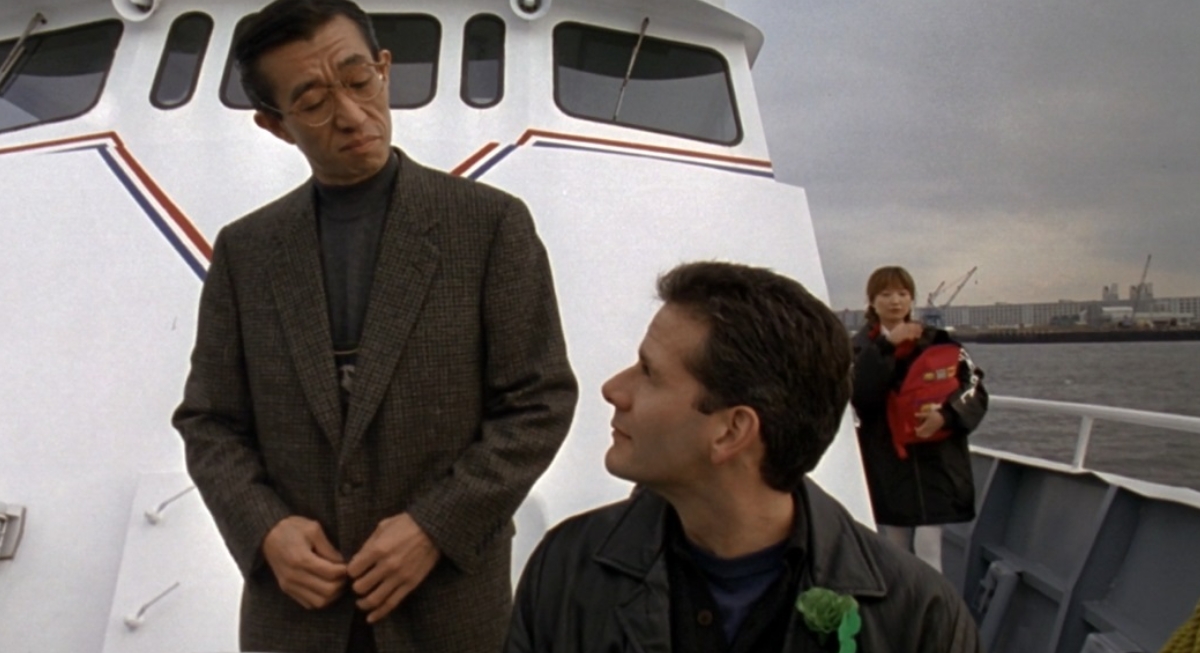
Credit: IMDb
In this story, Joe Ross is an engineer who has created a valuable process, only to realize the people around him are setting him up. Meetings, favors, and conversations seem harmless until a pattern emerges. The tension is built on social manners. A handshake or a polite invitation can be a risk. It fits today’s world of scams because Joe isn’t fooled by technology; he is fooled by his own trust in professional status and the belief that he is in a safe environment.
Go
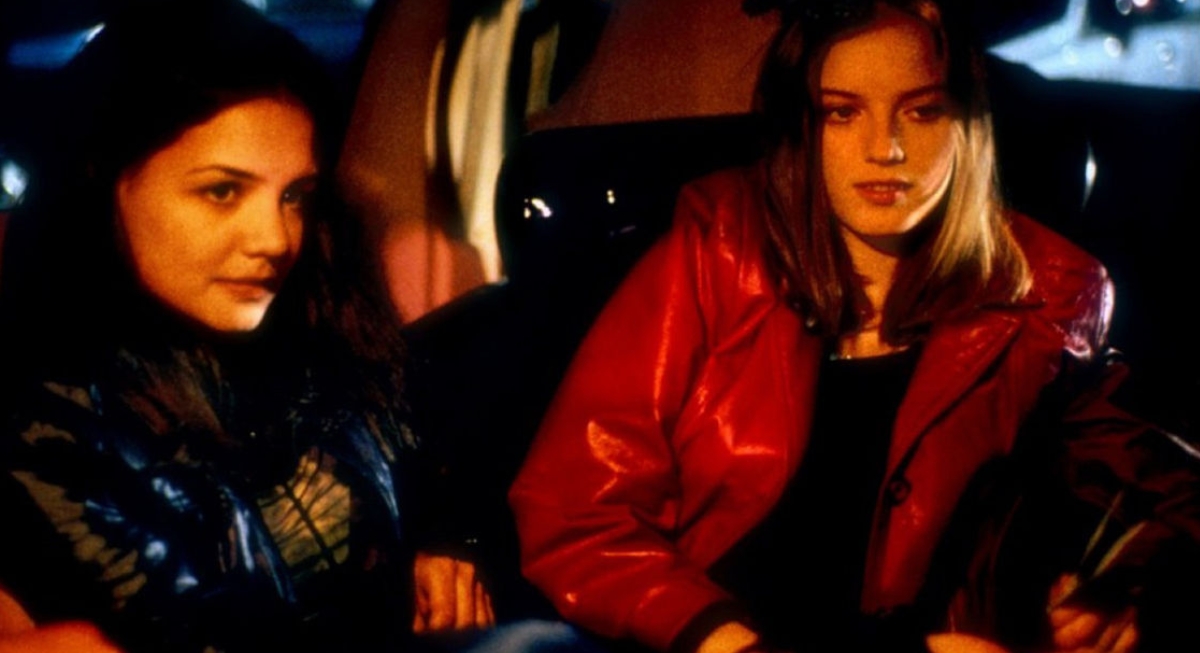
Credit: IMDb
Go takes one long night and splits it into three overlapping stories. Sarah Polley’s Ronna needs rent money, so she makes a desperate choice and gets pulled into a drug deal that keeps going sideways. As the stories intersect, small mistakes circle back to cause major problems. The fast-paced structure changes how you see earlier scenes. A previous joke or a side character may suddenly become the center of the plot.
Wing Chun
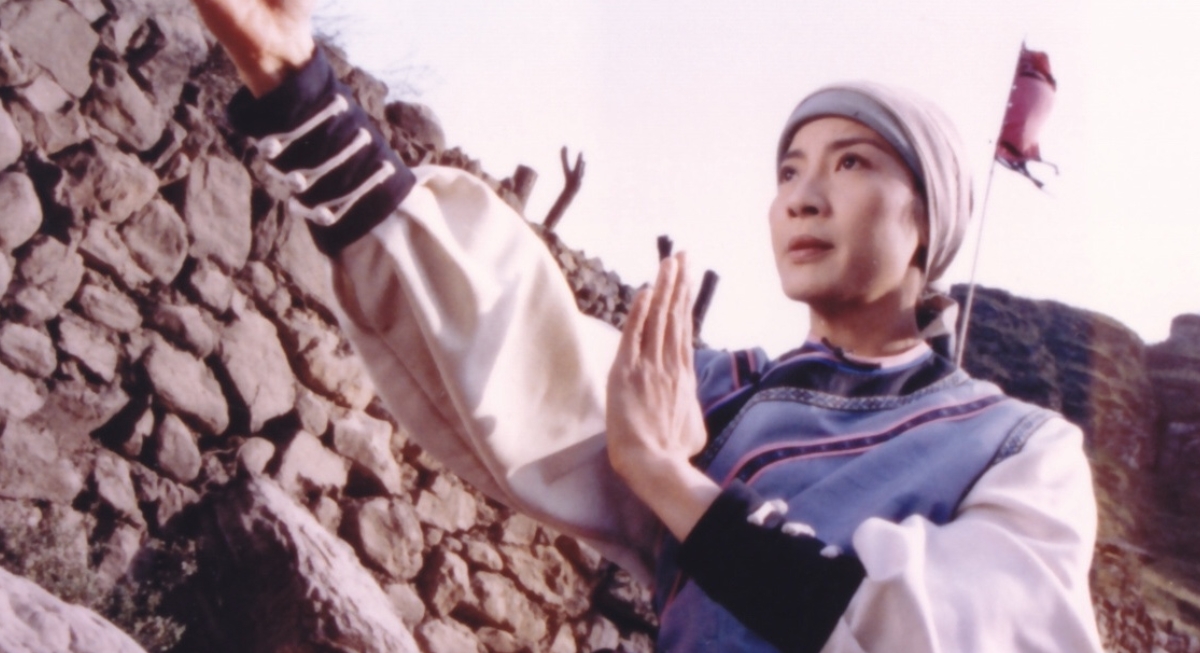
Credit: IMDb
Wing Chun is a movie from when Michelle Yeoh wasn’t as internationally famous as now. She plays a skilled fighter dealing with village gossip, bandits, mistaken identity, and romantic confusion. While the movie is a comedy, the fight scenes are precise and powerful. Michelle moves between being funny and establishing authority. Some would say she was a futuristic female lead for the time.
Happy Together
Credit: IMDb
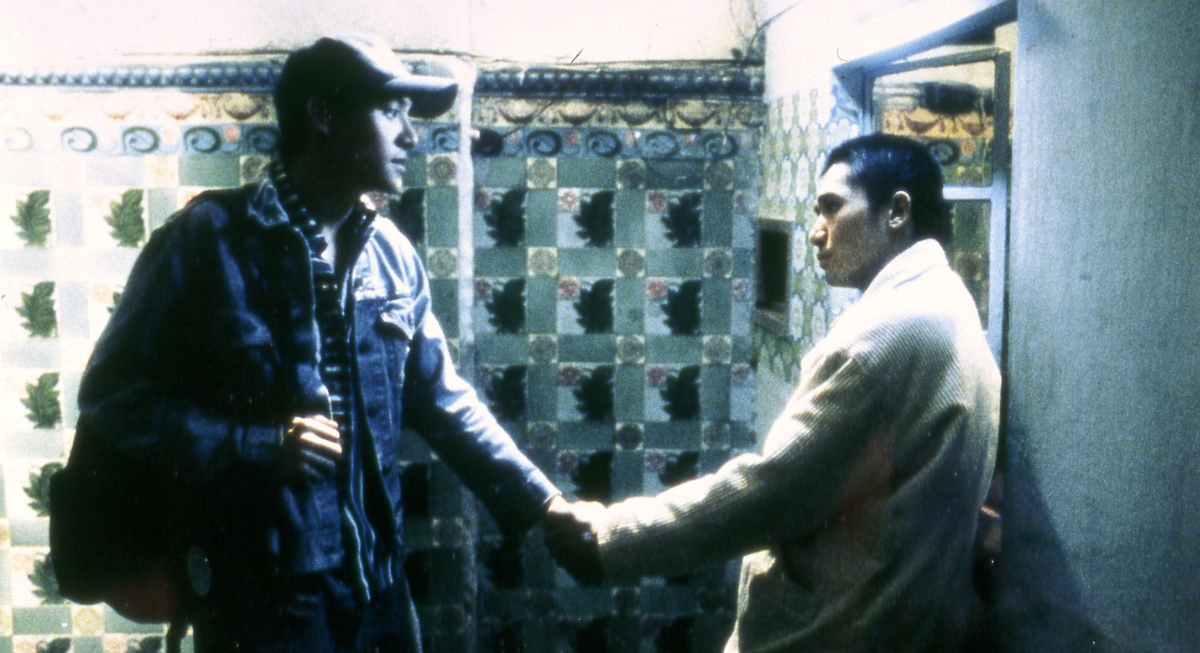
Happy Together follows Ho Po-Wing and Lai Yiu-Fai, two men from Hong Kong trying to repair their relationship in Buenos Aires. In 1997, mainstream film culture had limited room for queer relationships shown with this much frustration, tenderness, dependency, and style. Tony Leung Chiu-wai and Leslie Cheung play them as people who know each other too well and still cannot stop repeating the same toxic habits.
Practical Magic
Credit: IMDb
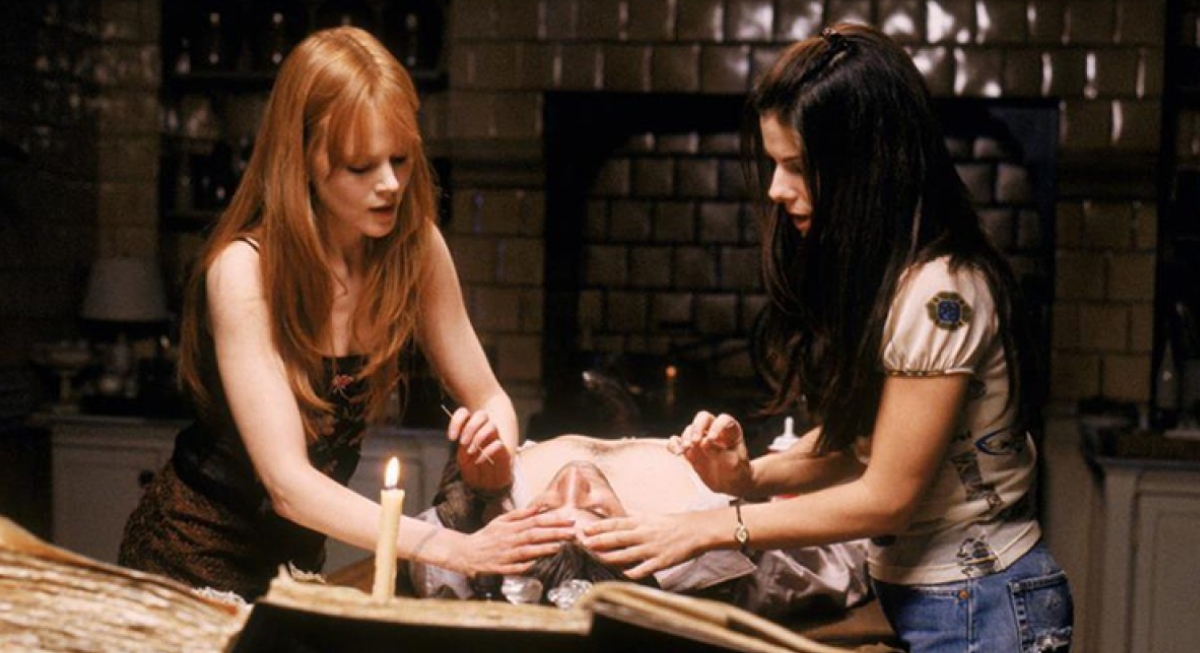
This film was often misunderstood because it mixes several genres. It touches on witchcraft, romance, and family grief. Two sisters, Sally and Gillian, are raised in a family defined by a curse and local rumors. While many remember the witchy imagery, the core of the story is about women protecting each other from danger and heartbreak. It explored themes of family judgment and survival before those ideas became common in modern supernatural shows.